


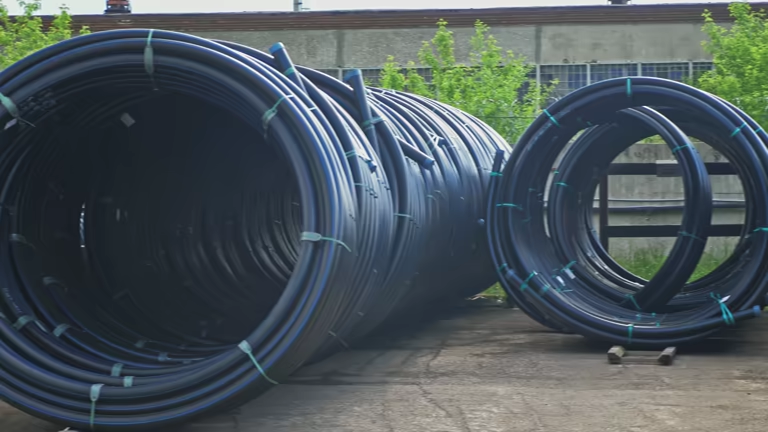
Ensuring a reliable water supply in homes and industries requires the right materials. One of the most trusted solutions available today is the Tuyau PE pour l'alimentation en eau. These pipes have gained popularity due to their durability, flexibility, and resistance to corrosion. Whether you are setting up a new plumbing system or upgrading an old one, using high-quality PE pipes ensures safe and efficient water distribution. From residential buildings to industrial plants, PE pipes offer a practical, long-lasting solution that reduces maintenance costs and improves overall performance.
Foire aux questions (FAQ)
1. What is a PE pipe?
A PE pipe, or polyethylene pipe, is a type of plastic piping designed to transport water and other fluids. It is known for flexibility, lightweight, and resistance to corrosion.
2. Can PE pipes handle hot water?
Yes, PE pipes can handle moderately hot water, but it’s important to check the specific pressure and temperature ratings. For very hot water, PEX or specialized PE variants might be more suitable.
3. Les tuyaux en PE sont-ils sans danger pour l'eau potable ?
Absolutely. High-quality PE pipes meet strict health standards, so they don’t release harmful chemicals into the water. They are safe for household and industrial water supply.
4. How long do PE pipes last?
PE pipes are very durable. In typical conditions, they can last or more. Their longevity depends on installation quality and water conditions.
5. How do PE pipes compare to metal pipes?
PE pipes are lighter, easier to install, and more resistant to corrosion than metal pipes. However, they require proper support and protection from UV light if used outdoors.
Définition et principales caractéristiques des tuyaux en PE
PE pipes are made from high-density polyethylene (HDPE) or medium-density polyethylene (MDPE). These materials give the pipes flexibility, high tensile strength, and excellent resistance to chemicals and environmental stress. Key features include:
- Flexibilité: They bend easily, reducing the need for extra fittings in corners.
- Durabilité: Resistant to cracks, corrosion, and scaling.
- Léger: Easier to transport and install compared to steel or copper pipes.
- Joints étanches : Fusion welding or compression fittings ensure tight, leak-free connections.
- Environmentally friendly: Made from recyclable materials, they minimize environmental impact.
Utilisations courantes et secteurs d'application
PE pipes serve a variety of sectors due to their versatility. In homes, they are commonly used for:
- Drinking water lines
- Hot and cold water supply
- Systèmes d'irrigation de jardin
In industrial settings, PE pipes are used for:
- Factory water distribution
- Chemical water transport
- Systèmes d'irrigation agricole
They are also ideal for large-scale municipal projects, such as water mains and sewer systems, because of their strength and longevity.
Guide d'achat : Comment choisir le bon tuyau en PE
Lors de la sélection d'un Tuyau PE pour l'alimentation en eau, consider the following:
- Qualité des matériaux : HDPE offers higher durability than MDPE, which is suitable for moderate applications.
- Diamètre et épaisseur du tuyau : Match the pipe size with your flow requirements. Larger diameters support higher water volume.
- Code couleur : Blue pipes usually indicate potable water, while black or green may indicate industrial or non-potable water lines.
- Certifications: Look for pipes meeting ISO, ASTM, or local quality standards. This ensures safety and compliance.
- Supplier reputation: Purchase from trusted suppliers, such as Polymax Hardware at Corner Harare St and Robert Mugabe Way, opposite Chicken Inn’s entrance, first shop to your right inside the mall, Shop number HR11, Harare, Zimbabwe. Reliable suppliers ensure genuine products and technical support.
Conseils d'installation pour les tuyaux en PE
Proper installation maximizes the life and performance of PE pipes. Keep in mind these tips:
- Use the correct fittings and welding techniques for leak-free joints.
- Avoid sharp bends; use gradual curves to prevent stress points.
- Support long pipe runs with clamps or brackets.
- Protect pipes from direct sunlight if installed outdoors, as UV rays can degrade polyethylene.
- Test the system after installation to ensure there are no leaks.
Following these simple steps reduces the chance of damage and extends the lifespan of the pipes.
Comparison with Other Types of Pipes
Here is a clear comparison of PE pipes with PVC and metal pipes:
| Fonctionnalité | Tuyau PE | Tuyau en PVC | Tuyau métallique (acier/cuivre) |
|---|---|---|---|
| Durabilité | High, resists corrosion | Moderate, brittle over time | Modéré, sujet à la rouille/corrosion |
| Flexibilité | Excellent, facile à plier | Low, requires fittings | Low, rigid |
| Installation | Lightweight, easy to handle | Modéré, plus lourd | Heavy, requires welding |
| Entretien | Bas, étanche | Moderate, can crack | High, needs regular maintenance |
| Coût | Modéré | Faible | Haut |
This table shows why PE pipes are often the preferred choice for both domestic and industrial water systems. They offer the best balance of durability, flexibility, and cost-efficiency.
Conclusion
Choisir le bon Tuyau PE pour l'alimentation en eau can make a big difference in both homes and industries. Their durability, flexibility, and resistance to corrosion make them ideal for long-term water distribution. Whether you are planning a new installation or upgrading existing plumbing, investing in high-quality PE pipes ensures safety, efficiency, and peace of mind. For reliable products and professional advice, you can visit Polymax Hardware at Corner Harare St and Robert Mugabe Way, opposite Chicken Inn’s entrance, first shop to your right inside the mall, Shop number HR11, Harare, Zimbabwe. Their range of PE pipes and fittings will meet both residential and industrial needs effectively.
Norme internationale IFAN
Les produits IFAN sont conformes à un large éventail de normes internationales, garantissant sécurité, fiabilité et compatibilité mondiale. Parmi celles-ci figurent les normes ASTM 2846, DIN 8079/8080, ASTM F441/F441M SCH80, de nombreuses spécifications DIN, les normes de la série GB/T 18993, AS/NZS 1477, CSA B137.6, NSF/ANSI 14, ainsi que TIS 17-2532/1131-2535. En respectant ces normes reconnues, IFAN garantit une qualité et des performances constantes dans différentes régions et pour différentes applications.
Contact
IFAN est un fabricant professionnel fort de 30 ans d'expérience, spécialisé dans la production de tuyaux, raccords et vannes en plastique de haute qualité. Nos produits comprennent des vannes en laiton, des vannes en PPR, ainsi que divers tuyaux et raccords pour répondre aux différents besoins de nos clients. Que vous ayez besoin de tuyaux de plomberie et d'évacuation ou de vannes, IFAN propose une gamme diversifiée de produits de haute qualité et économiques pour vos projets. Vous trouverez nos coordonnées ci-dessous.
Nous répondrons à votre e-mail ou fax dans les 24 heures.
Vous pouvez nous appeler à tout moment si vous avez des questions sur notre production.
Pour plus d'informations, veuillez visiter notre site Web https://www.ifanplus.com/
Veuillez envoyer un mail à : [email protected]
WhatsApp : + 86 19857948982























