


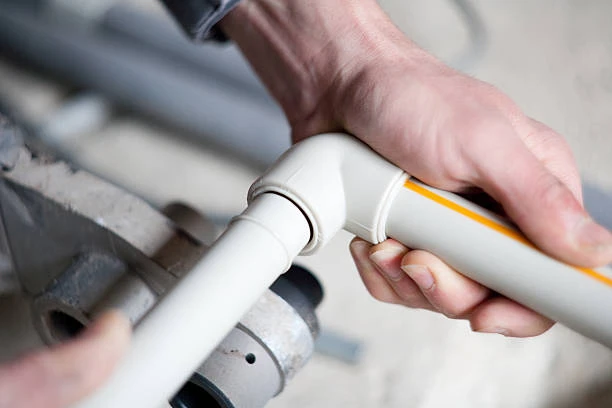
Tuyau en PVC coloré has become one of the most reliable and versatile materials in plumbing, construction, and industrial projects. Beyond its vibrant appearance, colored PVC pipe brings safety benefits to workplaces and projects by providing clear identification, reducing mistakes, and meeting strict industry standards. Whether used in water supply, electrical conduits, or chemical transport, colored PVC pipes combine durability, cost-efficiency, and safety to ensure long-lasting performance. This article explores the safety aspects of colored PVC pipes, their definition, main characteristics, applications, and answers to common questions that professionals and buyers often have.
Foire aux questions (FAQ)
1. Why is colored PVC pipe considered safe to use?
Colored PVC pipe is considered safe because it meets international manufacturing standards, resists corrosion, and provides clear identification of different systems. For example, blue pipes often mark potable water, while green or purple pipes indicate reclaimed water. This visual coding prevents misuse and accidents.
2. Can colored PVC pipe be used for drinking water?
Yes, many colored PVC pipes are certified for drinking water systems. As long as the pipe carries the correct certification, it does not release harmful chemicals into the water. Always check the standard before installation to confirm it is rated for potable water.
3. How does color improve safety in construction and industry?
Color improves safety by reducing errors during installation and maintenance. Workers can quickly identify which pipe carries water, gas, or chemicals, lowering the chance of cross-connections or system failures.
4. Is colored PVC pipe resistant to chemicals?
Yes, PVC has excellent chemical resistance, making colored PVC pipe suitable for industrial applications. Depending on the chemical being transported, manufacturers can provide specific pipe grades to ensure safe operation.
5. What industries use colored PVC pipe most often?
Colored PVC pipe is widely used in construction, agriculture, irrigation, water treatment plants, electrical installations, and chemical industries. Each industry benefits from its safety coding, durability, and cost efficiency.
Basic Definition and Characteristics
Colored PVC pipe is a variation of standard polyvinyl chloride (PVC) piping. While traditional PVC pipes are usually white or gray, colored versions are manufactured with added pigments that serve both practical and safety purposes. The main idea behind coloring is not just appearance but system organization and safety.
Some key characteristics include:
- Durabilité: PVC is strong and resistant to impact, ensuring long-term use.
- Résistance chimique: It resists a wide range of chemicals, making it safe for transporting industrial fluids.
- Non-Toxic Options: Certified colored PVC pipes for drinking water remain safe and free from harmful leaching.
- UV Protection: Some colored pipes include additives that resist sunlight, preventing degradation when used outdoors.
- Tolérance à la température: While PVC is not suitable for extreme heat, it performs reliably in most residential, commercial, and industrial environments.
- Léger: Easier and safer to handle than metal alternatives.
- Identification System: Each color represents a specific use, ensuring safer installation and maintenance.
The combination of these features makes colored PVC pipe an excellent choice where safety and reliability are priorities.
Utilisations courantes et applications industrielles
1. Water Supply Systems
Colored PVC pipe plays a critical role in safe water distribution. Blue is commonly used for drinking water lines, ensuring instant recognition and preventing cross-connection with non-potable systems. Green or purple pipes often carry reclaimed or recycled water, keeping it separate from potable lines.
2. Irrigation and Agriculture
In farming, safety means efficiency and preventing contamination. Colored PVC pipe helps farmers identify which pipes deliver fresh water and which deliver fertilizers or treated wastewater. This prevents crop damage and keeps systems organized.
3. Chemical and Industrial Applications
Factories use colored PVC pipes to transport acids, alkalis, and industrial solutions. Since PVC resists corrosion, it ensures the safe movement of these fluids without pipe damage. The use of color reduces risks during maintenance by clearly labeling each pipeline.
4. Construction and Infrastructure
On construction sites, safety is a top priority. Colored PVC pipes help engineers and workers quickly distinguish electrical conduits from water or drainage lines. This reduces installation errors and prevents accidents during drilling or cutting.
5. Electrical Installations
Colored PVC conduits are widely used to protect electrical wiring. Red, yellow, or orange pipes often indicate high-voltage cables, while other colors mark communication or control systems. This prevents confusion and supports safer electrical projects.
6. Wastewater and Drainage Systems
In municipal infrastructure, colored PVC pipe ensures that sewage, stormwater, and reclaimed water systems remain separate. This prevents contamination and ensures compliance with safety regulations.
7. Fire Protection Systems
Certain colored PVC pipes are used in fire sprinkler systems. Their color coding ensures that emergency lines are easy to identify during inspection or emergencies, improving building safety standards.
Safety Advantages of Colored PVC Pipe
Colored PVC pipes go beyond standard piping by adding visual clarity to safety practices. Some specific advantages include:
- Error Reduction: Workers can quickly identify the right pipe system.
- Conformité réglementaire: Many industries require color-coded systems to meet safety laws.
- Improved Maintenance: Repairs and inspections become faster and safer.
- Health Protection: Certified pipes ensure safe drinking water delivery.
- Fire Resistance Options: Certain grades of colored PVC are treated for flame resistance, ensuring added protection.
By combining material strength with clear identification, colored PVC pipe reduces accidents and increases workplace safety.
Conclusion
Colored PVC pipe is more than a practical construction material; it is a critical safety solution across industries. From water supply systems to industrial chemical transport, these pipes ensure durability, safety, and easy identification. Their color coding helps professionals work more efficiently while avoiding dangerous mistakes. Whether for agriculture, construction, municipal infrastructure, or electrical systems, colored PVC pipe plays a central role in safe and organized operations.
By choosing the right color-coded PVC pipe, companies not only improve system performance but also create a safer working environment for everyone involved.
Would you like me to also make a table of color codes and their common uses (like blue for potable water, green for sewer, purple for reclaimed water, etc.)? That could improve SEO and make the article more complete.
Contactez l'IFAN pour les catalogues et les échantillons
Besoin de documents techniques, de catalogues ou d'échantillons ? Contactez l'IFAN dès aujourd'hui.
📧 Courriel : [email protected]
📱 Whatsapp : +86 19857948982
Notre équipe répond rapidement et fournit un soutien professionnel pour tous vos besoins en matière de pipeline.
Norme internationale IFAN
Les systèmes de tuyauterie IFAN sont conformes à un large éventail de normes internationales pour garantir une qualité et des performances élevées. Parmi celles-ci figurent les normes ASTM F1974 et ASTM F1281 pour les systèmes de tuyauterie multicouche, la norme CSA B137 pour les applications de plomberie canadiennes, la norme DIN 16836 pour les spécifications techniques allemandes, la norme GB18997 pour les normes chinoises et la norme ISO 21003, qui couvre les systèmes de tuyauterie multicouche utilisés pour les installations d'eau chaude et froide. Ce large champ de certification souligne l'engagement de l'IFAN en matière de conformité mondiale et de fiabilité des produits.























