


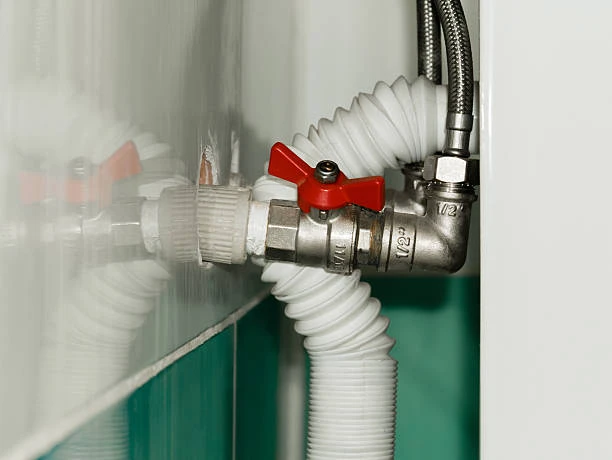
When working with plumbing or fluid systems, one of the most important components to ensure control and reliability is the valve. Among the many types available today, the vanne à boisseau sphérique à compression stands out due to its simplicity, durability, and ease of installation. Whether you’re a professional plumber or a homeowner tackling a DIY project, understanding the advantages of compression ball valves can help you make smarter and more efficient choices.
In this article, we’ll explore the multiple benefits of compression ball valves. We’ll begin with a summary, answer some common questions, define their characteristics, discuss practical applications, and guide you through the process of selecting the right valve. Furthermore, we’ll compare these valves with other common types to highlight why they’re preferred in many scenarios.
Foire aux questions (FAQ)
1. Qu'est-ce qu'une vanne à boisseau sphérique à compression ?
It’s a shut-off valve that uses a ball mechanism for flow control and connects to pipes using compression fittings instead of threads or solder.
2. Are compression ball valves easy to install?
Yes, they are extremely user-friendly and only require basic tools, making them ideal for both professionals and DIYers.
3. What materials are typically used in compression ball valves?
Most are made of brass or stainless steel, ensuring long-term corrosion resistance and mechanical strength.
4. Les vannes à boisseau sphérique à compression peuvent-elles être réutilisées ?
Yes, as long as the ferrule and nut remain undamaged, they can be disassembled and reused safely.
5. Où les vannes à boisseau sphérique à compression sont-elles le plus couramment utilisées ?
They are used in household plumbing, heating systems, water filtration setups, and light industrial applications.
What Is a Compression Ball Valve? Definition and Characteristics
UN vanne à boisseau sphérique à compression combines two functions in one component: flow regulation and secure pipe connection. The valve contains a spherical ball with a central bore. Turning the handle 90 degrees aligns the hole with the pipe to allow flow or blocks it to stop flow. On each end, compression fittings use pressure to create a watertight seal on the pipe without soldering, threading, or welding.
The key characteristics that define these valves include:
- Quarter-turn operation: Simple rotation provides immediate control over flow.
- Compression connections: Create tight seals using ferrules and nuts without damaging the pipe.
- Construction durable: Materials like brass resist high pressure, temperature, and corrosion.
- Conception compacte: Useful for tight spaces where threaded connections may not be practical.
- Full port options: Allows unrestricted flow with minimal pressure drop.
- Reusable fittings: Makes repairs and system modifications easier and more economical.
Altogether, these attributes make compression ball valves a highly versatile and reliable choice for fluid systems.
Utilisations et industries courantes
Compression ball valves serve a wide range of purposes across different industries. Their flexibility and reliability make them a go-to solution in many sectors.
Plomberie résidentielle
In homes, these valves are typically installed under sinks, behind toilets, or on water heater lines. They provide an easy shut-off method for maintenance or emergencies.
Systèmes CVC
Heating and cooling systems frequently use compression ball valves to manage flow in closed-loop systems such as boilers and radiators.
Bâtiments commerciaux
In restaurants, offices, and hotels, they are used to isolate branch lines, reduce water pressure, or shut off zones during maintenance.
Water Filtration
Compression ball valves are commonly used in filtration and reverse osmosis systems, allowing for precise control during maintenance and replacement of cartridges.
Industrial and Manufacturing
Light-duty applications in factories, workshops, or laboratories use these valves to manage compressed air, non-corrosive chemicals, or lubrication systems.
Because they are so adaptable, compression ball valves are commonly chosen by engineers, plumbers, and facility managers across various disciplines.
Guide d'achat : comment choisir la bonne vanne à bille à compression
To ensure performance and longevity, selecting the correct compression ball valve requires thoughtful consideration. Here are the main factors to evaluate:
Pipe Compatibility
First, confirm the valve fits your pipe size and type. Compression ball valves typically work best with copper and PEX pipes. Always verify the outer diameter before purchase.
Qualité des matériaux
Brass valves are the standard due to their strength and affordability. For environments exposed to aggressive chemicals or saltwater, stainless steel is a better option.
Pression et température nominales
Always check if the valve’s pressure and temperature specifications match your system. Standard models can usually handle up to 600 psi and 200°F.
Port Size
A full-port valve maintains flow efficiency by having an internal diameter equal to the pipe’s. This is essential for systems where water pressure and volume must be preserved.
Type de poignée
Choose a valve with a strong, easy-to-grip handle. Insulated or color-coded handles can also make operation more user-friendly and error-resistant.
Brand Reputation
Go with well-known brands that follow industry certifications, such as NSF or CSA, to ensure product safety and performance.
By considering these points, you can make a confident purchase that matches your specific plumbing or fluid control needs.
Benefits of Compression Ball Valves
Now let’s take a deeper look at the reasons why compression ball valves are so widely used and appreciated.
1. Easy Installation
One of the most significant benefits is how easy these valves are to install. Since they don’t require soldering or threading, installation is faster, cleaner, and safer. This is especially useful for homeowners and professionals alike.
2. Leak-Resistant Seals
Compression fittings create strong, watertight seals using mechanical pressure rather than chemical bonding or heat. When properly installed, these valves offer excellent leak protection.
3. Quick Flow Control
The ball valve mechanism provides instant shut-off or flow initiation with a simple quarter-turn. This feature is especially useful in emergencies or frequent-access systems.
4. Durable and Long-Lasting
Made from corrosion-resistant metals, these valves are built to withstand years of exposure to water, pressure, and temperature variation without deteriorating.
5. Reusability
The ability to disassemble and reuse the valve—unlike soldered or glued alternatives—makes it a sustainable and cost-effective solution.
6. Minimal Pressure Drop
Full-port designs ensure that water flows freely through the system without turbulence or loss of pressure, improving overall system performance.
7. Versatility
From bathrooms to industrial laboratories, compression ball valves are used across a broad range of settings and for many different types of fluids.
These advantages explain why compression ball valves remain a popular and trusted component in fluid handling systems.
Compression Ball Valve vs Other Valve Types
| Fonctionnalité | Robinet à boisseau sphérique à compression | Valve filetée | Valve soudée | Vanne à emboîtement |
|---|---|---|---|---|
| Installation Method | Wrench-based compression | Requires threading | Requires soldering | Tool-free push |
| Facilité d'utilisation | Très facile | Modéré | Complexe | Le plus simple |
| Résistance aux fuites | Haut | Haut | Haut | Modéré à élevé |
| Entretien | Faible | Modéré | Haut | Faible |
| Réutilisabilité | Haut | Modéré | Faible | Haut |
| Exigences relatives aux outils | Basic wrench | Clé à pipe | Torche et soudure | Aucun |
| Compatibilité des matériaux | Copper, PEX | Copper, iron | Cuivre | PER, CPVC |
| Coût | Modéré | Modéré | Faible | Haut |
As shown in this comparison, compression ball valves balance performance, ease of installation, and versatility better than many other valve types.
Conclusion
En conclusion, compression ball valves provide a practical and effective solution for a wide range of plumbing and fluid control applications. Their user-friendly design, reliable sealing mechanism, and long-term durability make them an ideal choice for professionals and DIYers alike.
Because they can be installed quickly without special tools, and because they offer secure connections with minimal maintenance, compression ball valves save time and reduce system downtime. In both residential and commercial settings, their benefits are clear.
By understanding the advantages of compression ball valves and choosing a valve that matches your application, you can ensure your system runs efficiently and safely. Whether you’re isolating a water heater, installing a filtration system, or designing a new plumbing layout, compression ball valves are a dependable and smart investment.
Contactez l'IFAN pour les catalogues et les échantillons
Besoin de documents techniques, de catalogues ou d'échantillons ? Contactez l'IFAN dès aujourd'hui.
📧 Courriel : [email protected]
📱 Whatsapp : +86 19857948982
Notre équipe répond rapidement et fournit un soutien professionnel pour tous vos besoins en matière de pipeline.
Norme internationale IFAN
Les systèmes de tuyauterie IFAN sont conformes à un large éventail de normes internationales pour garantir une qualité et des performances élevées. Parmi celles-ci figurent les normes ASTM F1974 et ASTM F1281 pour les systèmes de tuyauterie multicouche, la norme CSA B137 pour les applications de plomberie canadiennes, la norme DIN 16836 pour les spécifications techniques allemandes, la norme GB18997 pour les normes chinoises et la norme ISO 21003, qui couvre les systèmes de tuyauterie multicouche utilisés pour les installations d'eau chaude et froide. Ce large champ de certification souligne l'engagement de l'IFAN en matière de conformité mondiale et de fiabilité des produits.























