


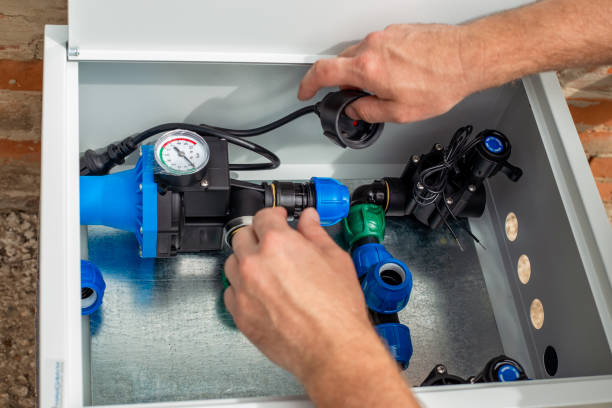
Blue HDPE fittings Les raccords en PEHD bleu sont devenus essentiels dans les systèmes de tuyauterie modernes grâce à leur durabilité, leur sécurité et leur flexibilité. Largement utilisés dans les secteurs de l'approvisionnement en eau, de l'agriculture, de l'exploitation minière et de l'industrie, ces raccords offrent des performances exceptionnelles sur de longues périodes. Comprendre leur durée de vie permet aux ingénieurs, aux constructeurs et aux gestionnaires d'installations de prendre des décisions éclairées concernant l'installation, la maintenance et la planification des remplacements. Cet article
This article explores the expected lifespan of blue HDPE fittings, the factors that influence their longevity, testing standards, maintenance practices, and how to maximize their operational life in real-world applications.
What Are Blue HDPE Fittings
Blue HDPE fittings are pipe connectors made from high-density polyethylene. The blue color typically identifies them as safe for potable water systems. These fittings include elbows, tees, reducers, couplers, end caps, and other transition pieces. They connect HDPE pipes securely while allowing smooth fluid flow under pressure.
The high-density molecular structure of HDPE allows it to resist pressure, corrosion, and environmental stress, making these fittings ideal for long-term infrastructure.
Typical Lifespan of Blue HDPE Fittings
Blue HDPE fittings are known to last 50 to 100 years under normal operating conditions. This wide range depends on factors like pressure, temperature, chemical exposure, installation quality, and external load conditions.
In drinking water systems, fittings regularly achieve of use without significant performance loss. In underground applications with low UV exposure, the lifespan tends to reach the higher end of the spectrum.
Material Durability of HDPE
HDPE is a thermoplastic polymer with exceptional toughness and flexibility. Its tightly bonded molecular structure resists impact, cracking, and stress from temperature changes. These physical characteristics contribute directly to its extended life expectancy.
Unlike metal, HDPE does not rust or corrode. Unlike brittle plastics, HDPE bends without breaking. This resilience ensures that fittings retain their shape and performance for decades, even in harsh environments.
Resistance to Environmental Stress
HDPE fittings show high resistance to environmental stress cracking. This means the material remains intact when subjected to slow, constant strain over time. In buried water systems, this feature is essential because the surrounding soil may apply uneven pressure. The fittings continue to perform under constant loading and soil movement.
Additionally, the fittings can resist freeze-thaw cycles without damage, unlike metal or PVC. This feature greatly extends their use in colder climates.
Résistance aux produits chimiques et à la corrosion
HDPE fittings resist a wide range of chemicals, including acids, alkalis, salts, and organic substances. This resistance protects the internal surface of the fittings from degradation and extends their operational life.
In systems where water may contain minerals or chemicals, blue HDPE fittings maintain integrity and avoid corrosion-related failures. This resistance helps them outperform traditional metal connectors in aggressive fluid environments.
Stabilisation UV pour une utilisation en extérieur
Exposure to ultraviolet radiation from sunlight can degrade many plastics. However, blue HDPE fittings used outdoors are often manufactured with UV stabilizers. These additives protect the surface from oxidation and brittleness caused by prolonged sun exposure.
With proper UV protection, outdoor fittings can still achieve lifespans approaching , even in direct sunlight.
Fusion Joint Strength and Durability
Blue HDPE fittings are commonly joined using heat fusion techniques, such as butt fusion or electrofusion. These methods produce joints that are as strong as the pipe itself. Properly executed, fusion joints last the full life of the system without leaks or mechanical failure.
The durability of the joint is essential to the system’s overall lifespan. When installed according to manufacturer guidelines, fused HDPE systems operate maintenance-free for decades.
Internal Smoothness Prevents Wear
Inside the fitting, the smooth wall surface ensures fluid flow without significant friction. The lack of rough surfaces prevents material buildup and mechanical abrasion. In abrasive fluid systems, this characteristic reduces wear on the fitting’s interior and supports a longer life cycle.
Smooth internal walls also resist scale, microbial growth, and sediment accumulation. This cleanliness contributes to consistent long-term performance.
Thermal Expansion and Contraction Management
HDPE’s elasticity allows fittings to expand and contract with temperature changes. These movements do not result in cracking or stress damage. Systems designed with proper allowances for thermal expansion avoid premature failure. This flexibility contributes to the material’s impressive long-term durability.
In climates with seasonal temperature swings, this feature is essential to prevent stress fractures and fatigue over time.
Resistance to Water Hammer and Pressure Spikes
Water hammer and pressure surges can damage pipe systems. HDPE fittings absorb these shockwaves due to their elastic nature. Instead of cracking or rupturing under pressure spikes, the fittings flex slightly and return to their original shape.
This ability to absorb energy protects the system and helps prevent early fitting failure in high-pressure installations.
Quality Standards and Lifespan Guarantees
Manufacturers test blue HDPE fittings under international standards such as ISO 4427, ASTM D3035, and EN 12201. These standards include performance evaluations under pressure, temperature, and environmental stress.
Many manufacturers offer lifespan guarantees based on these tests. Warranties often cover or more under normal use. The confidence shown in these warranties reflects the long-term reliability of the product.
Maintenance and Inspection Requirements
Blue HDPE fittings require minimal maintenance during their service life. Because they resist corrosion and scale buildup, they often operate maintenance-free for decades. Occasional inspections may check for mechanical stress, joint movement, or accidental impact.
Visual inspections and pressure tests help verify long-term integrity. In underground systems, advanced sensors or camera systems can assist with condition assessment.
Real-World Performance Data
Field data supports the long lifespan of HDPE systems. Installations over 40 years old continue to operate without noticeable degradation. Municipal water networks, mining operations, and agricultural irrigation systems worldwide demonstrate the long-term durability of HDPE fittings.
Studies have shown that properly installed HDPE fittings retain over 90% of their mechanical strength after decades in service. These results confirm that theoretical lifespan estimates match real-world outcomes.
Factors That Can Reduce Lifespan
Although blue HDPE fittings offer exceptional durability, several factors can reduce their life expectancy if not managed properly:
- Poor Installation: Incorrect fusion or alignment can create weak joints.
- Excessive UV Exposure: Lack of UV protection in outdoor systems can accelerate degradation.
- Chemical Incompatibility: Exposure to unapproved solvents or high-concentration acids can weaken HDPE.
- Overpressure: Exceeding pressure ratings can lead to deformation or rupture.
- Improper Backfill: Uneven or sharp materials in the soil can damage buried fittings.
Mitigating these risks through good design and installation practices protects the long-term value of HDPE systems.
How to Maximize the Lifespan of Blue HDPE Fittings
To ensure the longest possible lifespan, follow these recommendations:
- Use Trained Installers: Fusion joints require skill and precision.
- Apply Correct Standards: Match the fittings to the system’s SDR rating and pressure class.
- Protect from UV: Use UV-stabilized fittings or apply coverings for outdoor systems.
- Perform Regular Monitoring: Conduct occasional pressure and flow checks.
- Avoid Overload: Ensure external loads (from soil, traffic, etc.) stay within design limits.
- Choose Compatible Fluids: Check chemical compatibility before system design.
Following these practices allows most blue HDPE fittings to exceed of reliable operation.
Comparing Lifespan to Other Fitting Materials
Compared to alternative materials, blue HDPE fittings offer superior longevity in many applications:
- Contre le PVC: HDPE resists freezing and pressure spikes better.
- Versus Steel: HDPE does not rust or corrode and lasts longer underground.
- Versus Copper: HDPE avoids mineral leaching and scale buildup.
While metal fittings may offer higher short-term strength, HDPE provides longer performance in most water and industrial systems.
Recycling and End-of-Life Considerations
At the end of their service life, HDPE fittings can be recycled. The material melts without losing structural quality, allowing it to be remanufactured into new fittings or pipes. This sustainability supports environmental goals and reduces waste in infrastructure projects.
Recycling also creates opportunities for cost savings in future projects through material recovery and reuse.
Conclusion
Blue HDPE fittings offer an outstanding lifespan, often reaching or exceeding under standard conditions. Their resistance to corrosion, pressure, temperature changes, and chemical exposure makes them one of the most durable options in modern fluid systems. By selecting high-quality fittings, ensuring proper installation, and conducting occasional checks, system designers and engineers can unlock the full potential of HDPE technology.
The long service life of blue HDPE fittings reduces maintenance costs, minimizes downtime, and supports sustainable infrastructure development. Whether used in municipal water supply, industrial pipelines, or rural irrigation systems, these fittings deliver long-term value and reliability for decades to come.
Norme internationale IFAN
Les raccords et tubes à compression en PEHD d'IFAN sont conformes à un large éventail de normes internationales, garantissant des performances élevées et une compatibilité mondiale. Parmi celles-ci figurent les normes ASTM D3035 et ASTM D3350 des États-Unis, les normes ISO 4427 et EN 12201 d'Europe, les normes DIN 8074/8075 d'Allemagne, GB/T 13663 de Chine, AS/NZS 4130 d'Australie et de Nouvelle-Zélande, JIS K6760 du Japon, BS 6572 du Royaume-Uni et CSA B137.1 du Canada. Le respect de ces normes garantit d'excellentes propriétés mécaniques, une résistance chimique et une durabilité à long terme pour diverses applications industrielles et d'approvisionnement en eau.
Contact
IFAN est un fabricant professionnel fort de 30 ans d'expérience, spécialisé dans la production de tuyaux, raccords et vannes en plastique de haute qualité. Nos produits comprennent des vannes en laiton, des vannes en PPR, ainsi que divers tuyaux et raccords pour répondre aux différents besoins de nos clients. Que vous ayez besoin de tuyaux de plomberie et d'évacuation ou de vannes, IFAN propose une gamme diversifiée de produits de haute qualité et économiques pour vos projets. Vous trouverez nos coordonnées ci-dessous.
Nous répondrons à votre e-mail ou fax dans les 24 heures.
Vous pouvez nous appeler à tout moment si vous avez des questions sur notre production.
Pour plus d'informations, veuillez visiter notre site Web https://www.ifanplus.com/
Veuillez envoyer un mail à : [email protected]
WhatsApp : + 86 19857948982























