


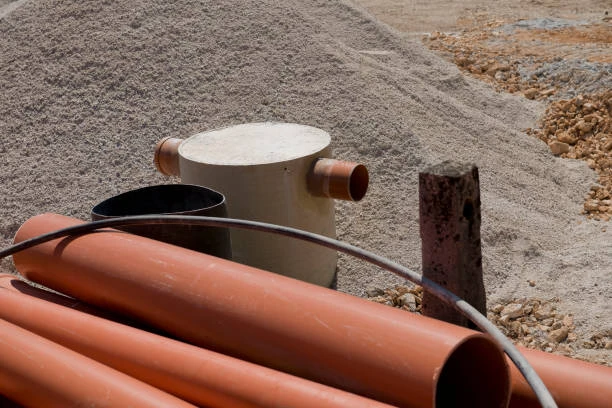
Polyphenylene H2 (HPP) piping has gained significant traction in industrial applications due to its exceptional corrosion resistance. Engineers, contractors, and facility managers rely on PPH pipes in environments where traditional metal piping systems might fail due to exposure to aggressive chemicals, extreme temperatures, or harsh environmental conditions. PPH pipes exhibit a variety of properties that make them resistant to corrosion, offering a durable, cost-effective solution for many industries.
Comprendre la tuyauterie PPH
PPH stands for Polyphenylene H2, a semi-crystalline thermoplastic material that is known for its high chemical resistance, mechanical strength, and thermal stability. Its unique molecular structure contributes to its ability to resist a wide range of chemicals, including acids, alkalis, and organic solvents. Unlike metal pipes, which can corrode when exposed to moisture and aggressive substances, PPH pipes remain stable and maintain their integrity in these environments.
How PPH Pipes Resist Corrosion
The primary factor that gives PPH its impressive corrosion resistance is the chemical structure of the polymer itself. Polyphenylene, the main component of PPH, is highly resistant to chemical attack due to its strong aromatic ring structure. This structure provides a shield against aggressive compounds that could otherwise cause oxidation, pitting, or material degradation in metals. The following characteristics enhance the material’s corrosion resistance:
- Structure moléculaire stable: PPH’s molecular composition consists of rigid chains that are not easily disrupted by external factors like heat or chemical exposure. These stable chains prevent breakdown, unlike metals that undergo oxidation when exposed to oxygen and moisture.
- Hydrophobic Properties: PPH pipes are inherently hydrophobic, meaning they do not easily absorb water. This feature prevents the pipe’s surface from interacting with moisture, which is a common catalyst for corrosion in metal pipes.
- Inert to a Wide Range of Chemicals: PPH demonstrates excellent resistance to both inorganic and organic chemicals. It resists attacks from acids, bases, salts, alcohols, and various industrial solvents. This chemical inertness ensures the pipes do not degrade, even when exposed to harsh substances, making them ideal for chemical processing plants, pharmaceutical industries, and wastewater treatment facilities.
Chemical Resistance of PPH Piping
The corrosion resistance of PPH piping becomes especially apparent when examining its behavior in various environments:
- Résistance aux acides: PPH pipes demonstrate exceptional resistance to a wide variety of acids. They can withstand sulfuric acid, hydrochloric acid, and nitric acid, making them suitable for industries that handle aggressive substances like these. Metals, on the other hand, often corrode when exposed to acidic environments, leading to costly repairs or replacements.
- Résistance aux alcalis: Just as PPH resists acidic substances, it also resists alkaline materials. PPH pipes can endure exposure to sodium hydroxide, potassium hydroxide, and other caustic chemicals without degrading. This resistance is crucial in industries such as food processing and chemical manufacturing, where both acidic and alkaline substances are common.
- Organic Solvents: PPH piping excels in environments where organic solvents, such as ketones and alcohols, are prevalent. While many plastic materials degrade in the presence of solvents, PPH maintains its structural integrity and avoids damage.
- Saltwater and Sea Exposure: PPH pipes exhibit remarkable resistance to saltwater and brine solutions, which makes them ideal for marine applications. Corrosion of metal pipes due to saltwater exposure can be catastrophic in industries like desalination plants or offshore oil rigs, but PPH pipes offer a long-lasting solution in these environments.
Thermal Stability and Resistance to High Temperatures
In addition to its chemical resistance, PPH piping is also known for its ability to withstand elevated temperatures without experiencing degradation. Polyphenylene H2 has a high melting point, typically between 270°C and 280°C, which allows the material to maintain its strength and resistance to corrosion at higher temperatures.
When metal pipes are exposed to high temperatures, the metal can expand, contract, and even become more prone to corrosion due to heat-induced stress. PPH, however, maintains its structural stability, making it ideal for industries that require reliable piping solutions in high-temperature environments, such as petrochemical facilities and power plants.
Long-Term Performance and Durability
One of the most significant benefits of using PPH piping is its long-term performance. PPH pipes remain resistant to corrosion over time, offering a lifespan that is significantly longer than that of metal alternatives. In traditional metal piping systems, corrosion can lead to leaks, blockages, and costly repairs. The longevity of PPH piping minimizes maintenance costs and downtime, making it an attractive investment for industrial applications.
Additionally, the corrosion resistance of PPH pipes helps prevent the accumulation of harmful byproducts inside the pipe. In many metal piping systems, corrosion products like rust and scale can accumulate, impairing the flow of fluids and potentially contaminating the substances being transported. PPH pipes remain free of these issues, providing a clean and efficient flow path for the transported materials.
Applications of PPH Piping
Given its corrosion resistance and versatility, PPH piping is used across a wide range of industries. Some common applications include:
- Traitement chimique: In chemical plants, PPH pipes are often the preferred choice for transporting aggressive chemicals. Their resistance to both acids and bases makes them suitable for handling various reactive substances.
- Industrie pharmaceutique: PPH pipes meet the high standards of cleanliness and chemical resistance required in the pharmaceutical industry. They are often used in systems that carry active ingredients or in production processes where contamination must be avoided.
- Traitement de l'eau: Due to their ability to withstand both acid and alkaline environments, PPH pipes are commonly used in water treatment facilities. These pipes can handle the chemicals used in water purification without corroding or leaching harmful substances.
- Transformation des aliments et des boissons: The food industry also benefits from PPH’s corrosion resistance, especially in applications involving high-purity water, cleaning chemicals, and temperature fluctuations.
- Applications marines: In seawater systems, such as desalination plants or shipboard piping, PPH pipes excel due to their resistance to saltwater corrosion. This durability ensures that PPH pipes maintain long-term reliability, even in challenging marine environments.
Comparing PPH Piping to Other Materials
When comparing PPH piping to other materials, such as metal, PVC, or stainless steel, its corrosion resistance becomes clear. While PVC offers resistance to chemicals, it doesn’t handle high temperatures as well as PPH, nor does it have the same level of strength. Metal pipes, like steel, are highly susceptible to corrosion when exposed to water or certain chemicals, leading to shorter lifespans and more frequent maintenance.
Stainless steel offers superior resistance to corrosion compared to other metals, but it comes with higher upfront costs and may not be as resistant to specific chemicals, such as concentrated acids, as PPH pipes are. The combination of chemical resistance, high thermal stability, and cost-effectiveness makes PPH an optimal choice for a wide range of applications.
Conclusion
PPH piping stands out for its remarkable corrosion resistance, making it the material of choice for many industrial applications. Its chemical resistance, thermal stability, and long-term durability ensure that it performs reliably in a variety of environments. By offering superior corrosion resistance compared to metal alternatives, PPH reduces maintenance costs, enhances operational efficiency, and improves the overall lifespan of piping systems. Whether in chemical processing, water treatment, or marine applications, PPH piping continues to prove its worth as a versatile and cost-effective solution for industries requiring robust, corrosion-resistant piping systems.
Norme internationale IFAN
Les tubes PPH d'IFAN sont conformes à de nombreuses normes internationales et nationales, garantissant une qualité et une fiabilité élevées. Ces normes comprennent les normes ISO 15494, EN ISO 15494, DIN 8077/8078, ASTM F2389, GB/T 19472 et NBR 15494. Chaque norme définit des exigences spécifiques concernant les propriétés des matériaux, les dimensions, les performances et les méthodes d'essai. En adhérant à ces normes, IFAN garantit durabilité, résistance chimique et sécurité dans diverses applications, notamment la tuyauterie industrielle, le traitement de l'eau et les systèmes de transport de produits chimiques. Ces certifications témoignent de l'engagement d'IFAN envers l'excellence et la compatibilité mondiale.
Contact
IFAN est un fabricant professionnel fort de 30 ans d'expérience, spécialisé dans la production de tuyaux, raccords et vannes en plastique de haute qualité. Nos produits comprennent des vannes en laiton, des vannes en PPR, ainsi que divers tuyaux et raccords pour répondre aux différents besoins de nos clients. Que vous ayez besoin de tuyaux de plomberie et d'évacuation ou de vannes, IFAN propose une gamme diversifiée de produits de haute qualité et économiques pour vos projets. Vous trouverez nos coordonnées ci-dessous.
Nous répondrons à votre e-mail ou fax dans les 24 heures.
Vous pouvez nous appeler à tout moment si vous avez des questions sur notre production.
Pour plus d'informations, veuillez visiter notre site Web https://www.ifanplus.com/
Veuillez envoyer un mail à : [email protected]
WhatsApp : + 86 19857948982























