


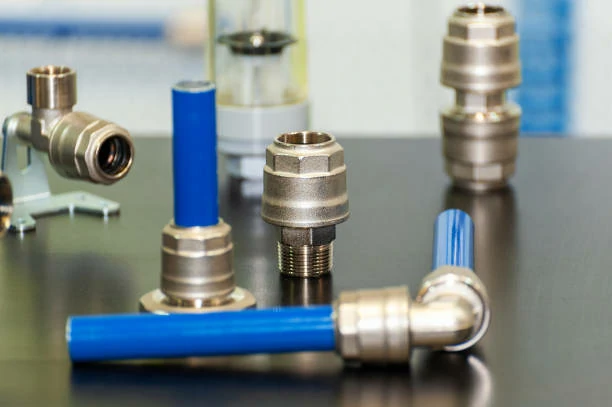
PEX tubing, or cross-linked polyethylene tubing, has emerged as a modern solution for plumbing and heating systems. Its durability, flexibility, and high strength make it a preferred material for various residential and commercial applications. While many recognize them for its versatility, its strength remains one of its most critical properties. The strength of them determines its ability to handle high pressures, resist wear, and maintain structural integrity under extreme conditions.
Understanding the factors that influence them strength, along with its applications and limitations, helps professionals make informed decisions when selecting materials for their projects. This article explores the composition, properties, and testing of them strength, as well as its advantages in practical applications.
The Basis of Strength
The strength of them derives from its material composition and the manufacturing process. Manufacturers use high-density polyethylene (HDPE) as the primary material for them. By cross-linking the polymer chains, they significantly enhance its mechanical and chemical properties. This cross-linking process creates three-dimensional bonds between the molecules, transforming the tubing into a highly durable and resilient material.
Unlike traditional polyethylene, cross-linked polyethylene exhibits greater tensile strength, resistance to cracking, and the ability to withstand extreme pressures. This improved structural integrity allows them to perform reliably under challenging conditions, such as high-pressure water systems and wide temperature ranges. It is important to note that not all PEX tubing possesses the same level of strength. The degree of cross-linking and the specific method used during manufacturing determine the material’s overall performance.
Manufacturing Methods and Their Impact on Strength
The manufacturing method directly influences the strength of them. There are three primary methods used to produce PEX tubing: PEX-A, PEX-B, and PEX-C. Each method affects the tubing’s physical properties and performance differently.
The Engel method, used to produce PEX-A tubing, involves introducing peroxide into the polyethylene at high temperatures and pressure. This method achieves the highest degree of cross-linking, often exceeding 80 percent. As a result, PEX-A tubing offers exceptional flexibility, tensile strength, and resistance to cracking. Professionals often use PEX-A for applications requiring high-strength material, such as radiant floor heating and snow-melting systems. The tubing’s ability to expand and return to its original shape without breaking enhances its overall durability.
The silane method produces PEX-B tubing by adding silane molecules to polyethylene, followed by exposure to moisture for cross-linking. This process creates slightly lower cross-linking levels than PEX-A, typically ranging between 65 and 70 percent. However, PEX-B tubing still exhibits excellent strength and durability. Although it may lack the flexibility of PEX-A, PEX-B resists chlorine degradation and oxidative stress, making it ideal for potable water systems.
The electron beam method cross-links polyethylene by exposing it to radiation. This process achieves the lowest degree of cross-linking, usually around 60 percent. While PEX-C tubing may not match the strength of PEX-A or PEX-B, it still performs well in lower-stress applications. PEX-C tubing works effectively for small-scale installations or as replacement sections in existing systems.
Strength Properties
Several measurable properties define the strength of them. These properties allow manufacturers and professionals to evaluate its performance under various conditions.
Tensile strength refers to the maximum stress a material can withstand while being stretched or pulled. They exhibits high tensile strength due to its cross-linked molecular structure. This property ensures the tubing does not rupture under pressure or during installation. PEX-A tubing, with its higher degree of cross-linking, achieves the highest tensile strength among the three types. PEX-B and PEX-C also provide sufficient tensile strength for most plumbing applications.
Burst strength measures the pressure at which the tubing fails or ruptures. This metric reflects the tubing’s ability to handle high-pressure systems. PEX tubing typically withstands pressures up to 160 psi at 73°F, with burst pressures exceeding 400 psi. The burst strength of them ensures its reliability in both residential and commercial water systems, even in high-pressure environments.
Creep resistance refers to a material’s ability to maintain its shape under continuous stress. They resists deformation, even under prolonged exposure to high pressure or temperature. This property ensures long-term reliability and prevents sagging or leaks in plumbing systems.
Impact resistance determines how well a material withstands sudden forces or shocks. PEX tubing resists cracking or breaking under impact, making it durable during installation and operation. This property allows it to endure accidental drops, rough handling, or ground movement without compromising performance.
Testing PEX Tubing Strength
Manufacturers test PEX tubing extensively to ensure it meets industry standards and performance requirements. These tests evaluate its strength under simulated real-world conditions.
Hydrostatic testing subjects PEX tubing to high water pressure for extended periods. This test determines the maximum pressure the tubing can handle without failing. Manufacturers use this test to establish burst pressure ratings. Thermal cycling involves exposing PEX tubing to repeated temperature fluctuations. This test measures its ability to maintain strength and integrity under hot and cold conditions. They retains its strength across temperatures ranging from -40°F to 200°F.
Manufacturers measure tensile strength by stretching PEX tubing until it breaks. This test verifies the tubing’s ability to withstand pulling forces during installation and use. Environmental stress testing examines PEX tubing’s performance under chemical exposure and UV light. While PEX tubing resists most chemicals, prolonged UV exposure weakens its strength. Proper shielding or insulation ensures its longevity.
Advantages of PEX Tubing Strength in Applications
The strength of them contributes to its popularity in diverse applications. Its unique properties make it suitable for plumbing, heating, and specialized systems.
PEX tubing handles high-pressure water distribution in residential and commercial plumbing systems. Its burst strength and pressure ratings ensure safe and efficient water flow, even in multi-story buildings. Radiant floor heating systems rely on them for even heat distribution. Its flexibility and resistance to thermal stress maintain system efficiency and longevity.
In snow-melting systems,they circulates heated water to prevent ice buildup. Its strength allows it to withstand extreme temperatures and heavy loads. PEX tubing resists scaling and corrosion, ensuring safe and clean water delivery. Its strength prevents leaks and minimizes maintenance in potable water systems. Certain PEX tubing meets fire suppression standards and performs effectively in residential sprinkler systems. Its strength and durability enhance safety.
Factors That Affect PEX Tubing Strength
Although PEX tubing exhibits impressive strength, several factors can influence its performance. Improper installation, such as over-bending or using incorrect tools, can weaken PEX tubing. Installers must follow manufacturer guidelines to ensure optimal strength.
High temperatures reduce the pressure-handling capacity of PEX tubing. For example, tubing rated for 160 psi at 73°F may tolerate only 80 psi at 200°F. Exposure to UV light or chemicals can degrade PEX tubing over time. Proper insulation and protection maintain its strength in challenging environments. Like any material, PEX tubing may lose some strength after decades of use. However, its durability ensures a service life of 25 years or more in most applications.
Limitations of PEX Tubing Strength
While they offers significant advantages, it also has certain limitations. Professionals should consider these factors before choosing them for specific applications. Prolonged exposure to sunlight weakens PEX tubing. Installers must cover or shield tubing from UV light to prevent degradation. Rodents can chew through them, reducing its strength and causing leaks. Proper installation in protected areas minimizes this risk. They cannot handle temperatures exceeding its manufacturer-specified limit. High heat may compromise its strength and durability.
Future Innovations in PEX Tubing Strength
Researchers and manufacturers continue to improve them strength through advancements in materials and processes. Enhanced cross-linking methods and protective coatings aim to increase durability and expand applications. Sustainability also plays a growing role in them development. Manufacturers seek eco-friendly production methods that maintain strength while reducing environmental impact.
Conclusion
PEX tubing strength underpins its widespread use in modern plumbing and heating systems. Its ability to withstand high pressures, resist wear, and maintain integrity ensures reliable performance in diverse applications. By understanding its composition, properties, and factors that influence its strength, professionals can maximize the benefits of them in their projects. Although PEX tubing has some limitations, its advantages far outweigh them, making it an essential material for residential and commercial systems. Ongoing innovations promise to further enhance its strength and usability, ensuring its place as a cornerstone of modern plumbing technology.
Principaux fournisseurs de tubes PEX
| Fabricant | Pays | Fondé | Échelle |
| IFAN | Chine | 1993 | 500 à 1 000 employés |
| Rehau | Allemagne | 1948 | Plus de 10 000 employés |
| Nibco | USA | 1904 | 1 000 à 5 000 employés |
| Viega | Allemagne | 1899 | 501-1K employés |
| Apollon (Aalberts) | États-Unis (société mère néerlandaise) | 1928 (entrée au PEX en 2006) | 51 à 200 employés |
Norme internationale IFAN
IFAN conçoit ses produits conformément à un large éventail de normes internationales, notamment ASTM F1974, ASTM F1281, CSA B137, DIN 16836, GB18997 et ISO 21003, ISO15875, GB-T 18992, DIN 16892, ASTM F877, ASTM F2788, BS 7291, BS EN ISO 15875 et CSA B137. Ces normes garantissent la qualité, la durabilité et les performances des tubes et raccords PEX d'IFAN pour diverses applications. En adhérant à ces réglementations, IFAN propose des solutions fiables pour les systèmes de plomberie, de chauffage et d'alimentation en eau sur les marchés mondiaux.
Contact
IFAN est un fabricant professionnel fort de 30 ans d'expérience, spécialisé dans la production de tuyaux, raccords et vannes en plastique de haute qualité. Nos produits comprennent des vannes en laiton, des vannes en PPR, ainsi que divers tuyaux et raccords pour répondre aux différents besoins de nos clients. Que vous ayez besoin de tuyaux de plomberie et d'évacuation ou de vannes, IFAN propose une gamme diversifiée de produits de haute qualité et économiques pour vos projets. Vous trouverez nos coordonnées ci-dessous.
Nous répondrons à votre e-mail ou fax dans les 24 heures.
Vous pouvez nous appeler à tout moment si vous avez des questions sur notre production.
Pour plus d'informations, veuillez visiter notre site Web https://www.ifanplus.com/
Veuillez envoyer un mail à : [email protected]
WhatsApp : + 86 19857948982























