


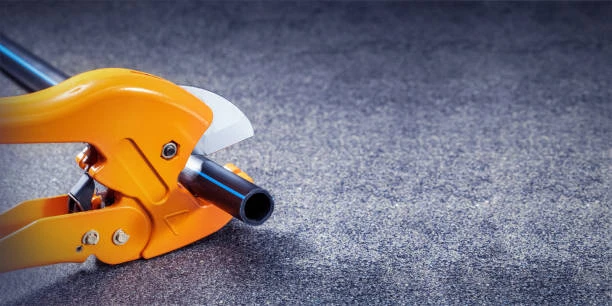
UN coupe-tube en plastique is essential for cutting PVC, CPVC, and other plastic pipes. It ensures precise, clean cuts. The materials used in these tools impact their performance, durability, and ease of use. Understanding the materials helps consumers choose the right cutter and maintain it for long-term use. This article explores the key materials used in plastic pipe cutters and how they contribute to the tool’s overall effectiveness.
1. Steel Blades for Cutting Precision
The blade is the primary component of a pipe cutter. It must provide clean cuts through plastic pipes. High-quality steel is often used for blades due to its strength and sharpness. Steel blades ensure durability, even with constant use. Stainless steel is a popular choice because of its corrosion resistance. Stainless steel blades remain sharp for longer periods, which ensures more efficient cuts. The blade needs to stay sharp to avoid jagged edges and poor cuts.
2. Carbon Fiber for Added Strength
Plastic pipe cutters use carbon fiber for additional strength and durability. Carbon fiber is light but incredibly strong. It enhances the cutter’s overall structural integrity. Parts of the cutter like handles or the pivot mechanism often use carbon fiber. This material can withstand force while keeping the tool light. It also improves the cutter’s resistance to wear and tear. Carbon fiber helps prevent breakage under heavy pressure, ensuring that the tool remains functional.
3. Aluminum Handles for Lightweight Durability
The handle must offer both comfort and control during use. Aluminum is a common material for cutter handles because it is lightweight yet strong. Anodized aluminum increases the durability of the handle, making it resistant to corrosion. The lightweight nature of aluminum makes the cutter easier to handle and reduces user fatigue. Aluminum also offers a solid grip, even in wet conditions. This material balances strength and comfort, making it an ideal choice for handles.
4. Rubber Grips for Comfort and Safety
Rubber or non-slip materials are used for the cutter’s grips. These materials ensure a secure hold during use. They prevent slippage, which can be dangerous when cutting pipes. Rubber grips provide comfort, especially when using the cutter for extended periods. The flexibility of rubber allows for a better, more comfortable grip. It absorbs shock, reducing strain on the user’s hands. Non-slip grips also enhance control, even in slippery or sweaty conditions.
5. Plastic Housing for Protection and Durability
The body or housing of the cutter often uses high-impact plastic. This material provides durability without adding significant weight. Plastic housing helps protect the internal components of the cutter from external damage. Reinforced plastic materials like nylon or polycarbonate are common choices. These plastics resist impact and maintain structural integrity during heavy use. Additionally, plastic is resistant to rust and corrosion, ensuring long-term reliability. The plastic components help reduce the overall weight of the cutter, making it easier to handle.
6. Tungsten or Ceramic for Specialized Blades
For more advanced pipe cutters, tungsten or ceramic materials may be used for the blade. These materials offer exceptional hardness and longevity. Tungsten carbide blades, for example, stay sharper for longer periods. Ceramic blades are known for their precision and ability to cut through tougher materials. They resist wear and corrosion more effectively than traditional steel. These materials are ideal for heavy-duty applications where precision and blade longevity are crucial. Tungsten and ceramic offer enhanced cutting power for demanding tasks.
7. Coatings for Enhanced Performance
Plastic pipe cutters often feature special coatings to improve performance. These coatings reduce friction and prevent wear. Teflon or PTFE coatings are commonly applied to the blades to improve cutting efficiency. The coatings also make cleaning easier by preventing plastic buildup on the blade. This reduces maintenance time and keeps the tool in optimal working condition. Additionally, coatings improve the blade’s durability and prevent rusting. A coated blade ensures smoother cuts and reduces the frequency of sharpening.
8. Eco-Friendly Materials for Sustainability
Many manufacturers now prioritize sustainability in the materials used for pipe cutters. Recyclable plastics and non-toxic coatings are often incorporated into the design. Using eco-friendly materials helps reduce the environmental impact of production. Recyclable components ensure that the tool can be reused or safely disposed of at the end of its life. The demand for sustainable tools is growing, with more consumers seeking environmentally responsible products. Manufacturers are focused on reducing the carbon footprint of their tools.
9. Material Selection for Longevity
The materials used in a plastic pipe cutter determine its overall lifespan. Choosing high-quality materials increases the cutter’s durability and performance over time. Steel and aluminum are commonly chosen for their ability to withstand heavy use. Carbon fiber enhances strength without adding extra weight. Rubber grips improve user comfort, while plastic housing protects the tool. Tungsten and ceramic materials are selected for specialized blades. Coatings help maintain sharpness and reduce friction. These material choices ensure that the cutter remains functional and effective for years.
10. Importance of Material Quality
The quality of materials used in the cutter directly impacts its performance. Low-quality materials can lead to poor performance, quick wear, and frequent replacements. High-quality materials increase the cutter’s cutting ability, comfort, and longevity. Stainless steel blades, carbon fiber components, and anodized aluminum handles offer superior performance. These materials can withstand regular use and provide more consistent results. Choosing tools made from high-quality materials can save money in the long run by reducing the need for replacements or repairs.
Conclusion
The material composition of a plastic pipe cutter plays a critical role in its overall performance. Steel blades provide durability and sharpness for precise cuts. Carbon fiber components enhance strength while keeping the tool lightweight. Aluminum handles offer comfort and control, while rubber grips improve safety and user experience. Plastic housing protects internal parts from damage, and coatings improve cutting efficiency. Tungsten and ceramic materials are used for specialized blades that require enhanced durability and precision. The use of sustainable materials reduces the environmental impact of production. By understanding the materials used, consumers can choose a high-performance, durable plastic pipe cutter that meets their needs.
Norme internationale IFAN
Les produits IFAN sont conformes à un ensemble de normes internationalement reconnues, garantissant qualité et performance dans diverses applications. Il s'agit notamment des normes ISO 15874, qui définissent les spécifications des systèmes de tuyauterie en plastique ; des normes EN 15874, qui couvrent les exigences relatives aux tubes et raccords en polyéthylène (PE) dans les réseaux de distribution d'eau ; de la norme ASTM F2389, qui définit les normes pour les systèmes de tubes en polyéthylène réticulé (PEX) ; des normes DIN 8077/8078, qui traitent des dimensions et des essais des tubes en plastique ; des normes GB/T 18742, qui sont les normes nationales chinoises pour les tubes et raccords en plastique ; et de la norme brésilienne NBR 15884 pour les systèmes de tuyauterie en PE et PEX. Ces certifications témoignent de l'engagement d'IFAN à fournir des produits fiables et de haute qualité, conformes aux normes industrielles mondiales.
Contact
IFAN est un fabricant professionnel fort de 30 ans d'expérience, spécialisé dans la production de tuyaux, raccords et vannes en plastique de haute qualité. Nos produits comprennent des vannes en laiton, des vannes en PPR, ainsi que divers tuyaux et raccords pour répondre aux différents besoins de nos clients. Que vous ayez besoin de tuyaux de plomberie et d'évacuation ou de vannes, IFAN propose une gamme diversifiée de produits de haute qualité et économiques pour vos projets. Vous trouverez nos coordonnées ci-dessous.
Nous répondrons à votre e-mail ou fax dans les 24 heures.
Vous pouvez nous appeler à tout moment si vous avez des questions sur notre production.
Pour plus d'informations, veuillez visiter notre site Web https://www.ifanplus.com/
Veuillez envoyer un mail à : [email protected]
WhatsApp : + 86 19857948982























