


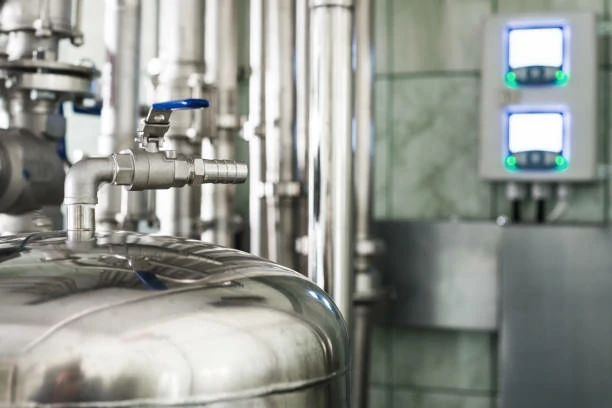
Brass ball valves are widely recognized for their safety features, making them a preferred choice in various applications. This article explores the safety attributes of them, including their design, material properties, operational reliability, and the measures taken to ensure safe use in different environments.
Conception et construction
The design and construction of them contribute significantly to their safety. Key aspects include:
Matériau robuste: Brass, an alloy of copper and zinc, provides excellent mechanical strength and durability. The robustness of brass ensures that ball valves can withstand high pressures and temperatures, making them suitable for demanding applications without risk of failure.
Étanchéité sécurisée: Brass ball valves feature a ball with a precise spherical shape that provides a tight seal when closed. This design minimizes the risk of leaks, ensuring that fluids or gases do not escape under pressure. The sealing mechanism is critical for maintaining safety in pressurized systems.
Fonctionnement fiable: The simple and reliable mechanism of them—requiring only a 90-degree turn to open or close—reduces the likelihood of operational errors. This straightforward operation minimizes the risk of mishandling and ensures that users can quickly and effectively control the flow of fluids or gases.
Propriétés des matériaux
The material properties of brass play a crucial role in ensuring the safety of ball valves:
Résistance à la corrosion: Brass exhibits strong resistance to corrosion, which is essential for maintaining valve integrity over time. Corrosion can weaken valves and lead to leaks or failures, so brass’s resistance to environmental factors helps prevent such issues, enhancing overall safety.
Temperature and Pressure Tolerance: They can handle a wide range of temperatures and pressures. The material’s ability to withstand extreme conditions without degrading or failing makes it suitable for use in various applications, including those involving high temperatures or pressures.
Résistance chimique: Brass resists many chemicals, which is crucial in applications where the valve comes into contact with corrosive or reactive substances. This resistance ensures that the valve maintains its structural integrity and functionality, reducing the risk of leaks or failures.
Operational Reliability
Operational reliability is a key factor in the safety of brass ball valves:
Prévention des fuites: The design of them includes features that prevent leaks. High-quality seals and precision machining ensure that the valve remains tightly closed when required, minimizing the risk of hazardous leaks in fluid or gas systems.
Fail-Safe Mechanism: Many brass ball valves incorporate fail-safe mechanisms, such as manual overrides or automatic shutoff features. These mechanisms ensure that the valve can be safely operated or shut off in case of a malfunction or emergency, enhancing overall system safety.
Facilité d'entretien: They are designed for easy maintenance, which contributes to their safety. Regular maintenance and inspection help identify potential issues before they become critical, ensuring that the valve continues to function safely over its lifespan.
Safety Standards and Certifications
Brass ball valves often comply with various safety standards and certifications, which validate their safety and performance:
ANSI/ASME Standards: In the United States, brass ball valves often meet the American National Standards Institute (ANSI) and American Society of Mechanical Engineers (ASME) standards. These standards specify design, testing, and performance requirements to ensure valve safety and reliability.
ISO Certifications: International Organization for Standardization (ISO) certifications, such as ISO 9001, indicate that a manufacturer adheres to quality management standards. Compliance with ISO standards ensures that brass ball valves meet safety and performance criteria.
API Standards: The American Petroleum Institute (API) provides standards for valves used in the oil and gas industry. Brass ball valves that meet API standards are tested for safety and performance, making them suitable for use in critical applications.
Safety Measures and Best Practices
To ensure the safe use of brass ball valves, several measures and best practices are recommended:
Installation correcte: Correct installation is crucial for the safety of them. Following manufacturer guidelines and using appropriate tools and techniques during installation help prevent issues such as leaks or valve failures.
Inspection et entretien réguliers: Routine inspections and maintenance help identify and address potential issues before they pose a safety risk. Checking for signs of wear, corrosion, or damage and performing necessary repairs or replacements ensure continued safe operation.
Safe Operating Procedures: Users should follow safe operating procedures when using them. This includes understanding valve operation, avoiding excessive force, and ensuring that the valve is properly closed or opened to prevent accidents or leaks.
Training and Education: Providing training and education for personnel who handle brass ball valves enhances safety. Knowledgeable operators are better equipped to use and maintain valves safely, reducing the risk of accidents or malfunctions.
Applications and Safety Considerations
Brass ball valves are used in various applications, each with specific safety considerations:
Plomberie résidentielle: In residential plumbing systems, brass ball valves provide reliable control of water flow. Safety considerations include ensuring proper installation, avoiding excessive pressure, and regularly inspecting for leaks.
Applications industrielles: Brass ball valves used in industrial settings must handle higher pressures and temperatures. Safety considerations involve adhering to industry standards, using appropriate materials, and implementing safety features such as pressure relief valves.
Traitement chimique: In chemical processing, brass ball valves must resist chemical corrosion and maintain a secure seal. Safety measures include selecting valves with appropriate chemical resistance and performing regular maintenance to prevent leaks.
Systèmes CVC: In HVAC systems, brass ball valves control the flow of fluids or gases. Safety considerations include ensuring compatibility with system pressures and temperatures and following manufacturer guidelines for installation and operation.
Conclusion
Brass ball valves offer numerous safety benefits due to their robust design, material properties, and operational reliability. Compliance with safety standards and certifications further validates their performance. Implementing best practices for installation, maintenance, and operation ensures that brass ball valves continue to provide safe and reliable service in various applications. The safety features of them contribute to their widespread use and trust in both residential and industrial settings.
Contact
IFAN Fort de 30 ans d'expérience, nous sommes un fabricant professionnel de tuyaux, raccords et vannes en plastique de haute qualité. Nos produits comprennent des vannes en laiton, des vannes en PPR, ainsi que divers tuyaux et raccords pour répondre aux différents besoins de nos clients. Que vous ayez besoin de tuyaux de plomberie et d'évacuation ou de vannes, IFAN Nous proposons une gamme diversifiée de produits de haute qualité et économiques pour soutenir vos projets. Vous trouverez ci-dessous nos coordonnées.
Nous répondrons à votre e-mail ou fax dans les 24 heures.
Vous pouvez nous appeler à tout moment si vous avez des questions sur notre production.
Pour plus d'informations, veuillez visiter notre site Web https://www.ifanplus.com/
Veuillez envoyer un mail à : [email protected]
WhatsApp : + 86 19857948982























