


Introduction
Polypropylene Random Copolymer (PPR) pipes have become a popular choice in various plumbing and piping applications due to their excellent material properties. PPR pipes offer a combination of durability, chemical resistance, thermal stability, and ease of installation. This article explores the key material properties of them and why these properties make them suitable for a wide range of applications.
Composition and Structure of PPR
PPR pipes are made from a random copolymer of polypropylene, which consists of propylene and ethylene monomers arranged in a random pattern. This random arrangement imparts unique properties to the material, enhancing its performance in demanding environments.
Structure moléculaire: The random copolymer structure provides flexibility and strength. The distribution of ethylene monomers among the propylene chains allows the material to maintain its integrity under various thermal and mechanical stresses.
Density: PPR has a relatively low density, making it lightweight and easy to handle. This property simplifies transportation and installation, reducing labor costs and time.
Propriétés thermiques
PPR pipes exhibit excellent thermal properties, making them suitable for both hot and cold water applications. These properties include high thermal resistance and stability.
Résistance thermique: PPR pipes can withstand high temperatures without losing their structural integrity. They can handle temperatures up to 95°C (203°F), making them ideal for hot water supply systems.
Conductivité thermique: The low thermal conductivity of PPR reduces heat loss in hot water systems, improving energy efficiency. This property ensures that the water retains its temperature as it travels through the pipes.
Dilatation thermique: PPR pipes exhibit low thermal expansion compared to other plastics. This stability minimizes the risk of pipe deformation and failure due to temperature fluctuations.
Propriétés mécaniques
The mechanical properties of PPR pipes contribute to their durability and reliability in various applications. These properties include high impact resistance, flexibility, and tensile strength.
Résistance aux chocs: PPR pipes can withstand significant impact without cracking or breaking. This resistance to mechanical damage makes them suitable for environments where pipes may be exposed to physical stress.
Flexibilité: PPR pipes offer flexibility, allowing them to bend and adapt to different layouts and terrains. This flexibility reduces the need for fittings and joints, simplifying installation and reducing potential leak points.
Résistance à la traction: The material’s high tensile strength ensures that PPR pipes can handle internal pressure without deforming or bursting. This property is crucial for maintaining the integrity of water supply and distribution systems.
Résistance chimique
PPR pipes exhibit excellent chemical resistance, making them suitable for transporting a wide range of fluids, including aggressive chemicals and corrosive substances.
Résistance à la corrosion: Unlike metal pipes, PPR pipes do not corrode when exposed to water or chemicals. This resistance to corrosion extends the lifespan of the pipes and reduces maintenance costs.
Inertie chimique: PPR pipes are chemically inert, meaning they do not react with the substances they transport. This property ensures the purity and quality of the fluids, making them ideal for potable water systems and chemical transport.
Resistance to Scaling: The smooth inner surface of them prevents the buildup of scale and deposits. This resistance to scaling maintains the flow efficiency and reduces the risk of blockages.
Hygiene and Safety
PPR pipes meet stringent hygiene and safety standards, making them suitable for potable water systems and applications where fluid purity is crucial.
Non toxique: PPR is a non-toxic material, ensuring that no harmful substances leach into the water or fluids transported through the pipes. This property makes PPR pipes safe for drinking water applications.
Biological Resistance: The material resists the growth of bacteria and other microorganisms. This biological resistance is essential for maintaining the hygiene and safety of water supply systems.
Conformité aux normes: PPR pipes comply with various international standards for potable water systems, including ISO, DIN, and ASTM. These certifications ensure the quality and safety of the pipes for use in residential, commercial, and industrial applications.
Longévité et durabilité
The durability and long service life of them make them a cost-effective choice for plumbing and piping systems.
Longue durée de vie: PPR pipes can last up to or more, depending on the operating conditions. This longevity reduces the need for frequent replacements, saving costs and resources.
Résistance à l'usure: The material resists wear and tear, maintaining its structural integrity over time. This durability ensures reliable performance in various applications, from residential plumbing to industrial pipelines.
Résistance aux UV: PPR pipes can resist UV radiation, making them suitable for outdoor applications. This UV resistance prevents degradation and extends the lifespan of the pipes when exposed to sunlight.
Facilité d'installation
PPR pipes are easy to install, offering several advantages over traditional materials such as metal or PVC.
Léger: The lightweight nature of them makes them easy to transport and handle on-site. This ease of handling simplifies the installation process and reduces labor costs.
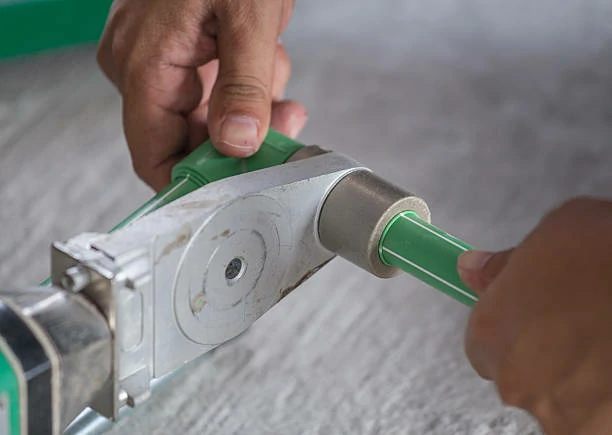
Soudage et assemblage: PPR pipes can be joined using heat fusion methods, such as socket fusion and butt fusion. These techniques create strong, leak-proof joints without the need for adhesives or solvents.
Moins de raccords: The flexibility and adaptability of them reduce the need for multiple fittings and joints. This simplification of the piping system minimizes potential leak points and streamlines the installation process.
Impact environnemental
PPR pipes offer several environmental benefits, aligning with sustainable practices and reducing the overall environmental footprint of piping systems.
Recyclabilité: PPR is a recyclable material, allowing for the reprocessing and reuse of pipes at the end of their service life. This recyclability reduces waste and conserves resources.
Efficacité énergétique: The low thermal conductivity of them improves energy efficiency in hot water systems. This efficiency reduces energy consumption and lowers the carbon footprint of heating systems.
Reduced Emissions: The production and installation of them generate lower greenhouse gas emissions compared to traditional materials like metal. This reduction in emissions contributes to a more sustainable and eco-friendly infrastructure.
Conclusion
PPR pipes offer a range of material properties that make them an excellent choice for plumbing and piping applications. Their thermal resistance, mechanical strength, chemical resistance, hygiene standards, durability, ease of installation, and environmental benefits set them apart from other materials. By understanding the unique properties of them, industries and consumers can make informed decisions that enhance the efficiency, reliability, and sustainability of their piping systems. The adoption of them continues to grow as more applications benefit from their superior performance and long-term advantages.
Contact
IFAN Fort de 30 ans d'expérience, nous sommes un fabricant professionnel de tuyaux, raccords et vannes en plastique de haute qualité. Nos produits comprennent des vannes en laiton, des vannes en PPR, ainsi que divers tuyaux et raccords pour répondre aux différents besoins de nos clients. Que vous ayez besoin de tuyaux de plomberie et d'évacuation ou de vannes, IFAN Nous proposons une gamme diversifiée de produits de haute qualité et économiques pour soutenir vos projets. Vous trouverez ci-dessous nos coordonnées.
Nous répondrons à votre e-mail ou fax dans les 24 heures.
Vous pouvez nous appeler à tout moment si vous avez des questions sur notre production.
Pour plus d'informations, veuillez visiter notre site Web https://www.ifanplus.com/
Veuillez envoyer un mail à : [email protected]























