


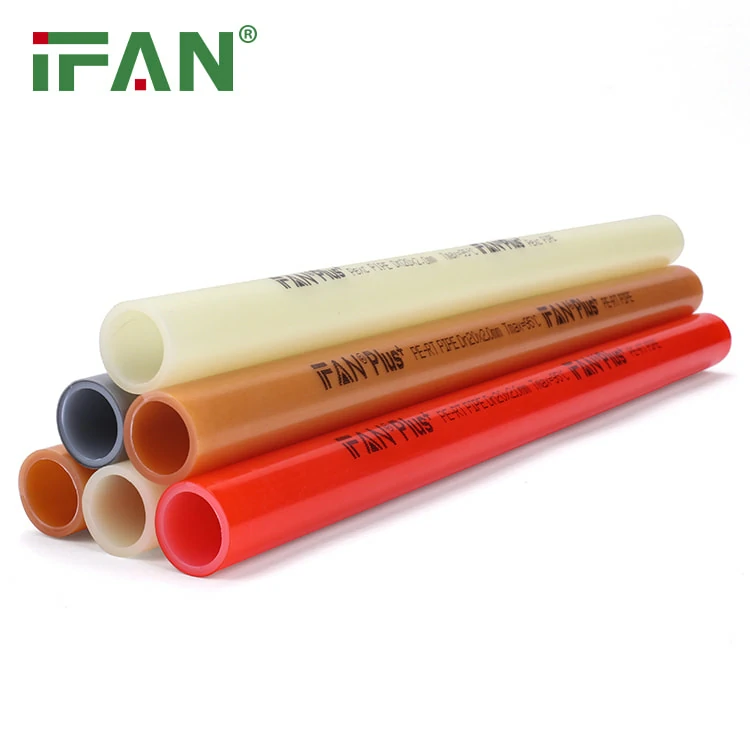
Introduction:
PEX A vs PEX B are two common types of cross-linked polyethylene used in plumbing systems. Understanding their differences is crucial for selecting the most suitable option for your project.
Composition du matériau :
PEX A is produced using the Engel method, resulting in a more flexible material, while PEX B is made using the Silane method, yielding a slightly stiffer product.
Flexibilité:
PEX A is highly flexible, bending and expanding without compromising integrity, while PEX B is less flexible, requiring additional fittings and support in some installations.
Durabilité:
Both PEX A and PEX B are durable and resistant to corrosion, chemicals, and UV rays. However, PEX A may be more resistant to stress fractures and damage from freezing due to its superior flexibility.
Facilité d'installation :
PEX A’s flexibility makes it easier to install with fewer fittings, reducing the risk of leaks and simplifying the installation process. PEX B, while still relatively easy to install, may require more fittings and support.
Considérations relatives aux coûts :
PEX B is generally more affordable than PEX A, making it a budget-friendly option for some projects. However, the long-term benefits of PEX A’s superior performance may justify the higher initial investment for others.
Compatibilité avec les raccords :
Both PEX A vs PEX B are compatible with various fittings, including crimp, clamp, and push-to-connect fittings. PEX A’s flexibility may offer advantages in certain applications, allowing for easier and more reliable connections.
Résistance à la chaleur :
PEX A has superior resistance to high temperatures, making it suitable for radiant floor heating systems. PEX B also has good heat resistance but may not perform as well in extreme conditions.
Longévité:
When installed and maintained properly, both PEX A vs PEX B can provide reliable service for many years. However, PEX A’s flexibility may contribute to a longer lifespan in certain conditions.
Local Building Codes:
It’s essential to consider local building codes and regulations when choosing between PEX A and PEX B. Some jurisdictions may have specific requirements or restrictions regarding their use.
Project Specifics:
Ultimately, the choice between PEX A vs PEX B depends on the specific requirements of your project. Factors such as budget, installation method, environmental conditions, and performance expectations should all be taken into consideration.
Conclusion:
In conclusion, PEX A and PEX B each have their own advantages and considerations. By understanding their differences and evaluating your project’s specific needs, you can make an informed decision and ensure the success of your plumbing installation.
Contact
Nous répondrons à votre e-mail ou fax dans les 24 heures.
Vous pouvez nous appeler à tout moment si vous avez des questions sur notre production.
Pour plus d'informations, veuillez visiter notre site Web https://www.ifanplus.com/
Veuillez envoyer un mail à : [email protected]























