


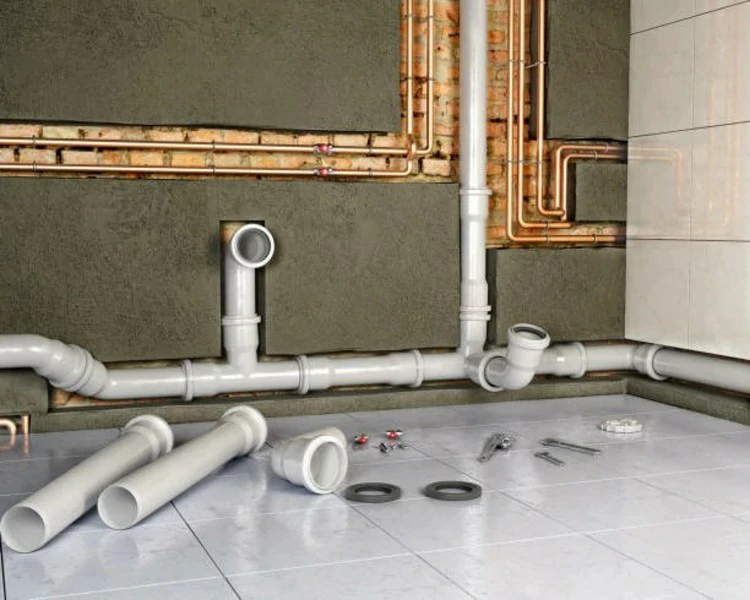
1. Strength and Durability
PPR Pipes: Exceptional Strength-to-Weight Ratio
PPR pipes are renowned for their high strength-to-weight ratio, providing robustness and durability without adding unnecessary bulk. This characteristic makes them suitable for both above-ground and underground applications, where strength and longevity are essential for maintaining the integrity of the piping system.
Traditional Metal Pipes: Susceptibility to Corrosion
In contrast, traditional metal pipes such as galvanized steel or copper are susceptible to corrosion over time, especially when exposed to corrosive environments or underground conditions. This corrosion can compromise the structural integrity of the pipes, leading to leaks, blockages, and costly repairs or replacements.
2. Installation and Maintenance
PPR Pipes: Easy Installation and Low Maintenance
One of the key advantages of PPR pipes is their ease of installation and low maintenance requirements. PPR pipe are lightweight and flexible, allowing for quick and straightforward installation without the need for heavy machinery or specialized equipment. Additionally, their smooth inner surface minimizes the risk of sediment buildup, reducing the need for frequent maintenance and cleaning.
PVC Pipes: Limited Flexibility and Prone to Brittle Fracture
While PVC pipes share some similarities with PPR pipes in terms of ease of installation, they are less flexible and more prone to brittle fracture, especially in cold weather conditions. PVC pipes also require regular maintenance to prevent clogs and blockages caused by sediment accumulation, adding to the overall maintenance costs over time.
3. Environmental Impact
PPR Pipes: Eco-Friendly and Recyclable
PPR pipes are considered environmentally friendly due to their recyclability and low carbon footprint. Unlike metal pipes, which require energy-intensive manufacturing processes and may release harmful substances during production, PPR pipe can be recycled at the end of their service life, reducing waste and conserving natural resources.
PVC Pipes: Concerns About Toxicity and Environmental Pollution
In contrast, PVC pipes have raised concerns about their potential toxicity and environmental pollution. The production of PVC pipes involves the use of chlorine, a chemical that can release harmful byproducts such as dioxins and phthalates into the environment. Additionally, PVC pipes are not readily recyclable and may contribute to plastic pollution if improperly disposed of.
Conclusion
PPR pipes offer numerous advantages over traditional piping materials such as metal and PVC pipes. With their exceptional strength, durability, ease of installation, and eco-friendly properties, PPR pipes are a preferred choice for various applications, including plumbing, HVAC systems, and water supply networks. By choosing PPR pipe over other piping materials, stakeholders can enjoy long-term cost savings, reduced maintenance requirements, and peace of mind knowing that they are using a reliable and environmentally sustainable solution.
Contact
IFAN Fort de 30 ans d'expérience, nous sommes un fabricant professionnel de tuyaux, raccords et vannes en plastique de haute qualité. Nos produits comprennent des vannes en laiton, des vannes en PPR, ainsi que divers tuyaux et raccords pour répondre aux différents besoins de nos clients. Que vous ayez besoin de tuyaux de plomberie et d'évacuation ou de vannes, IFAN Nous proposons une gamme diversifiée de produits de haute qualité et économiques pour soutenir vos projets. Vous trouverez ci-dessous nos coordonnées.
Nous répondrons à votre e-mail ou fax dans les 24 heures.
Vous pouvez nous appeler à tout moment si vous avez des questions sur notre production.
Pour plus d'informations, veuillez visiter notre site Web https://www.ifanplus.com/
Veuillez envoyer un mail à : [email protected]























