


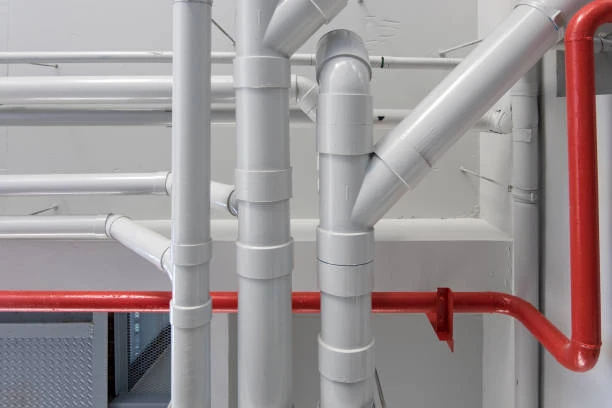
Tubos flexibles de PVC combine unique characteristics that make them indispensable across numerous applications and industries. These versatile pipes offer an exceptional balance of flexibility, durability, and chemical resistance that sets them apart from traditional rigid piping materials. This comprehensive guide explores the fundamental properties of PVC flexible pipes, addresses common questions about their performance characteristics, examines their key features in detail, and reviews their wide-ranging practical applications. Understanding these essential properties will help professionals and users maximize the benefits of these innovative piping solutions in various environments and usage scenarios.
Preguntas frecuentes (FAQ)
What makes PVC flexible pipes different from rigid PVC pipes?
PVC flexible pipes gain their flexibility from special plasticizers added during manufacturing. These additives work between the polymer chains, reducing rigidity while maintaining strength. Unlike rigid PVC pipes, flexible versions can bend without breaking, making them ideal for applications requiring movement or complex routing. Both types maintain excellent chemical resistance, but flexible pipes offer easier installation in tight spaces.
How temperature resistant are PVC flexible pipes?
These pipes typically perform well within a temperature range of 5°C to 60°C (41°F to 140°F). In cold conditions, they may become stiffer and require careful handling. In warm environments, they become more pliable but might have reduced pressure ratings. Special formulations can extend this range for specific applications. Users should always consider temperature requirements when selecting pipes for particular uses.
Are PVC flexible pipes chemically resistant?
Yes, they offer excellent resistance to many chemicals including acids, alkalis, salts, and alcohols. They outperform metal pipes in handling corrosive substances that cause rust and degradation. However, they may not be suitable for some solvents and aromatic hydrocarbons. Always check chemical compatibility charts before use. This chemical resistance makes them valuable in industrial and agricultural applications.
How durable are PVC flexible pipes?
These pipes demonstrate remarkable durability when used within their specifications. They resist corrosion, abrasion, and impact damage better than many alternative materials. The lifespan typically ranges from 10 to 20 years depending on application conditions. Proper installation and avoidance of extreme temperatures or pressures maximize their longevity. Their durability makes them cost-effective solutions for many applications.
Can PVC flexible pipes handle pressure variations?
Yes, they handle pressure variations well due to their flexible nature. They can absorb water hammer effects and pressure surges that might damage rigid pipes. However, pressure capacity decreases as temperature increases. Manufacturers provide pressure ratings for different temperature ranges. Users should always follow recommended pressure guidelines for safe and reliable operation.
Definición básica y características clave
PVC flexible pipes are thermoplastic conduits manufactured from polyvinyl chloride resin combined with plasticizing compounds. This combination creates pipes that maintain beneficial PVC properties while gaining significant flexibility. The manufacturing process involves precise extrusion techniques that ensure consistent wall thickness and reliable performance characteristics. These pipes offer a unique set of properties that make them valuable across multiple industries.
The flexibility stands as their most notable characteristic, allowing bending without additional fittings. This flexibility also provides inherent resistance to pressure surges and water hammer effects. The material’s chemical resistance makes it suitable for handling various corrosive substances. The smooth interior surface ensures minimal flow resistance, reducing energy requirements for fluid transport.
These pipes demonstrate excellent durability against impact and abrasion during handling and operation. Their non-conductive nature provides electrical insulation benefits, enhancing safety in various environments. The lightweight quality simplifies handling and reduces installation time and costs. They also offer good weatherability and resistance to environmental stress cracking.
The material’s memory characteristic ensures it returns to original shape after bending or compression. This property maintains consistent performance over time. Different formulations offer varying degrees of flexibility, hardness, and temperature resistance. Manufacturers can customize properties through additive adjustments and processing modifications.
Usos comunes e industrias de aplicación
The agricultural industry extensively uses PVC flexible pipes for irrigation systems and chemical transfer. Their flexibility allows adaptation to field contours and crop patterns. Farmers appreciate their resistance to fertilizers and agricultural chemicals. They serve in dairy operations for water supply and waste management systems due to their durability and chemical resistance.
Industrial applications utilize these pipes for chemical processing lines and wastewater management. Manufacturing facilities employ them where corrosion resistance is crucial. The mining industry uses them for dewatering operations and slurry transport. Food processing plants choose FDA-compliant versions for ingredient transfer and processing lines. Their flexibility simplifies installation in complex industrial layouts.
Construction industries rely on these pipes for drainage systems and temporary water supply. Plumbing contractors use them for drain-waste-vent systems where flexibility simplifies installation. They serve in radiant heating systems and snow melting applications. Landscapers use them for drainage systems and water feature installations due to their adaptability.
The automotive industry uses specially formulated pipes for fluid transfer lines and protective conduits. Marine applications employ them for dock water supply and wastewater systems. Water treatment plants use them for chemical feed lines and filter systems. Municipalities choose them for stormwater management and water distribution networks.
Conclusión
PVC flexible pipes offer an exceptional combination of properties that make them valuable across countless applications. Their unique characteristics including flexibility, chemical resistance, and durability provide advantages over traditional materials. The ability to customize properties through formulation adjustments ensures suitable solutions for various requirements.
Understanding these properties helps users select appropriate pipes for specific applications. Proper selection based on temperature requirements, chemical exposure, and pressure needs ensures optimal performance. The versatility of these pipes continues to drive innovation and expansion into new applications.
As technology advances, manufacturers develop improved formulations that enhance existing properties and add new capabilities. These developments will continue to expand the usefulness of PVC flexible pipes across industries. Their combination of practical benefits and cost-effectiveness ensures continued popularity in numerous applications.
Contacte con IFAN para catálogos y muestras
¿Necesita documentos técnicos, catálogos o muestras de productos? Contacte con IFAN hoy mismo.
📧 Correo electrónico: [email protected]
📱Whatsapp: +86 19857948982
Nuestro equipo responde rápidamente y brinda soporte profesional para todas sus necesidades de tuberías.
Norma internacional IFAN
Los sistemas de tuberías IFAN cumplen con una amplia gama de normas internacionales para garantizar una alta calidad y rendimiento. Entre ellas, se incluyen las normas ASTM F1974 y ASTM F1281 para sistemas de tuberías multicapa, CSA B137 para aplicaciones de plomería canadienses, DIN 16836 para especificaciones técnicas alemanas, GB18997 para normas chinas e ISO 21003, que abarca los sistemas de tuberías multicapa utilizados en instalaciones de agua caliente y fría. Este amplio alcance de certificación pone de manifiesto el compromiso de IFAN con el cumplimiento normativo global y la fiabilidad de sus productos.























