


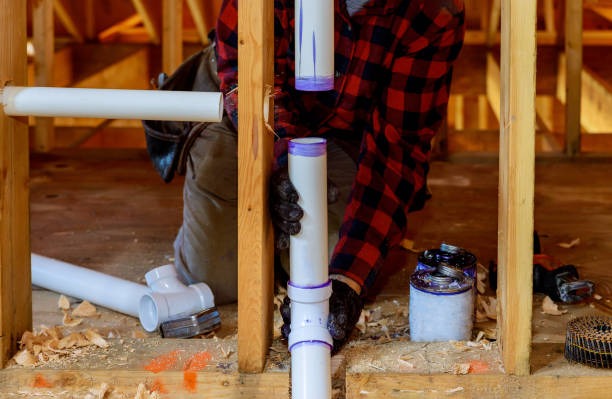
PPR quick-connect pipes provide a durable, eco-friendly, and easy-to-maintain solution for plumbing systems, but keeping them clean and disinfected ensures optimal performance and water safety. This guide explores effective cleaning and disinfection methods for PPR pipes, focusing on their dimensions and compatibility with maintenance practices. From answering common questions to offering selection tips and comparing PPR with other materials, this article helps you maintain hygienic piping systems using specifications from a PPR fitting dimensions guide.
Frequently Asked Questions (FAQ) About PPR Quick-Connect Pipes
1. Why is cleaning PPR quick-connect pipes important?
Regular cleaning prevents bacterial growth and sediment buildup, ensuring safe water delivery and extending pipe lifespan.
2. Can I use common disinfectants on PPR pipes?
Yes, PPR pipes resist most non-aggressive disinfectants like chlorine-based solutions, but always check manufacturer guidelines for compatibility.
3. How do PPR fitting dimensions affect cleaning?
Properly sized fittings, as listed in a dimensions guide, ensure tight connections, reducing crevices where bacteria can accumulate.
4. Are PPR pipes easy to disinfect in large systems?
Their smooth inner surfaces and quick-connect design simplify flushing and disinfection, even in extensive plumbing networks.
5. Where can I find a PPR fitting dimensions guide?
Reputable manufacturers include detailed dimension charts in their catalogs, specifying sizes and compatibility for cleaning purposes.
What Are PPR Piping Systems?
PPR (Polypropylene Random Copolymer) piping systems consist of lightweight, durable plastic pipes and fittings designed for easy installation and maintenance. Their quick-connect fittings use a push-fit mechanism, creating secure, leak-free joints without tools or adhesives. PPR pipes resist corrosion, scaling, and chemical degradation, making them ideal for clean water systems. Their smooth inner walls minimize friction, improving water flow and simplifying cleaning. Additionally, PPR’s thermal insulation properties maintain water temperature, reducing energy loss in hot or cold systems.
PPR pipes come in various diameters, typically 20mm to 160mm, as outlined in a PPR fitting dimensions guide. These sizes cater to residential, commercial, and industrial needs, ensuring compatibility with cleaning and disinfection processes. The material’s durability and resistance to bacterial growth make PPR a top choice for hygienic plumbing.
Usos comunes y aplicaciones industriales
PPR quick-connect pipes serve a wide range of applications due to their versatility and ease of maintenance. Key uses include:
- Sistemas de agua residenciales: Homeowners use PPR for hot and cold water lines, as its smooth surfaces simplify cleaning and ensure safe drinking water.
- Plomería comercial: Hotels, offices, and hospitals rely on PPR for its durability and low-maintenance cleaning requirements.
- Transporte de fluidos industriales: Factories choose PPR for non-aggressive liquid systems, where regular disinfection maintains system integrity.
- Riego agrícola: PPR pipes support water distribution in farming, with easy cleaning to prevent clogging from debris.
- Sistemas HVAC: PPR’s thermal stability and cleanability make it ideal for heating and cooling systems in large facilities.
In these applications, PPR’s resistance to buildup and ease of disinfection ensure reliable, hygienic performance.
PPR Quick-Connect Selection Guide
Choosing the right PPR pipes and fittings ensures effective cleaning and long-term performance. Here’s how to select based on a PPR fitting dimensions guide:
- Calidad del material: Choose Type-3 PPR, the highest-grade polypropylene, for durability and resistance to cleaning chemicals.
- Opciones de color: PPR pipes come in green, white, or blue. Green often indicates eco-friendly options, while white suits indoor systems.
- Certificaciones: Look for NSF or ISO certifications to ensure the pipes meet safety standards for drinking water and disinfection.
- Fitting Dimensions: Refer to the dimensions guide to select fittings matching your pipe diameter (e.g., 20mm, 32mm, or 63mm) for secure, cleanable joints.
- Clasificaciones de presión y temperatura: Ensure fittings handle pressures up to 25 bar and temperatures up to 200°F (93°C), as specified in the guide.
- Supplier Reliability: Choose manufacturers offering detailed PPR fitting dimensions guides with clear specifications and support.
By selecting fittings with precise dimensions, you ensure tight connections that simplify cleaning and disinfection.
Installation Tips for PPR Quick-Connect Pipes
Proper installation supports easy cleaning and disinfection of PPR pipes. Follow these tips to ensure a hygienic system:
- Plan the Layout: Design the piping route to minimize joints and bends, reducing areas where debris or bacteria could collect.
- Use Clean Cuts: A pipe cutter and deburring tool create smooth pipe ends, ensuring tight quick-connect joints that are easy to clean.
- Check Alignment: Align pipes and fittings carefully before locking them to prevent gaps that could harbor bacteria.
- Test for Leaks: After installation, flush the system with water to check for leaks, which could compromise cleaning efforts.
- Facilitate Access: Install pipes with enough clearance for cleaning tools or flushing equipment, especially in commercial systems.
- Siga las pautas del fabricante: Refer to the PPR fitting dimensions guide for brand-specific installation tips to ensure cleanable joints.
These steps create a system that’s easy to maintain and disinfect, ensuring long-term hygiene.
Cleaning and Disinfection Methods for PPR Quick-Connect Pipes
To keep PPR pipes clean and safe, follow these quick and effective methods:
- Flushing: Run clean water through the system at high velocity to remove sediment and debris. Use hot water (up to 200°F) for better results.
- Chemical Disinfection: Use chlorine-based solutions (e.g., 50 ppm for 1 hour) to eliminate bacteria. Check the PPR fitting dimensions guide to confirm chemical compatibility.
- Mechanical Cleaning: For stubborn buildup, use soft brushes or sponges designed for PPR pipes to avoid scratching the smooth inner surfaces.
- Mantenimiento regular: Schedule quarterly flushing and annual disinfection to prevent biofilm growth, especially in drinking water systems.
- Inspect Fittings: Ensure quick-connect joints, as specified in the dimensions guide, remain secure to avoid crevices where bacteria could grow.
Always rinse the system thoroughly after disinfection to remove residual chemicals, ensuring safe water delivery.
PPR vs. Other Piping Materials: A Comparison
To highlight PPR’s advantages for cleanability, compare it with other materials:
| Característica | PPR Pipes & Fittings | PVC Pipes & Fittings | Copper Pipes & Fittings | Galvanized Steel Pipes |
|---|---|---|---|---|
| Material | Polipropileno | Polyvinyl Chloride | Cobre | Steel with zinc coating |
| Cleanability | Excellent, smooth surfaces | Good, but prone to buildup | Moderate, pitting risk | Poor, rust accumulates |
| Resistencia a la corrosión | Excellent, no rust | Good, but degrades | Good, prone to pitting | Poor, rusts over time |
| Facilidad de instalación | Quick-connect, tool-free | Glue-based, slower | Soldering, complex | Threading, labor-intensive |
| Costo | Asequible | Muy asequible | Caro | Moderate to expensive |
| Esperanza de vida | Up to | 20–40 años | 50–70 years | 20–30 años |
| Rango de temperatura | Up to 200°F (93°C) | Up to 140°F (60°C) | Up to 400°F (204°C) | Up to 200°F (93°C) |
| Peso | Ligero | Ligero | Pesado | Very heavy |
PPR’s smooth surfaces and quick-connect design make it easier to clean and disinfect than other materials, ensuring hygienic performance.
Conclusión
PPR quick-connect pipes offer a durable, eco-friendly, and easy-to-clean solution for plumbing systems. Their smooth surfaces, corrosion resistance, and precise fitting dimensions simplify maintenance and ensure safe water delivery. By selecting high-quality fittings from a PPR fitting dimensions guide and following proper installation and cleaning practices, you create a hygienic, long-lasting system. Compared to other materials, PPR excels in cleanability and cost-effectiveness, making it ideal for residential, commercial, and industrial applications.
Conectar
IFAN, a Chinese manufacturer with of experience, specializes in high-quality plastic pipes, fittings, and valves. Interested in IFAN’s copper fittings, copper valves, plastic pipes, or fittings? Contact us today. IFAN offers a wide range of standard pipes tailored to your needs. Explore our affordable, cost-effective valve and piping system products.
We respond to emails or faxes within 24 hours. For immediate assistance, call us anytime with questions about our products.























