


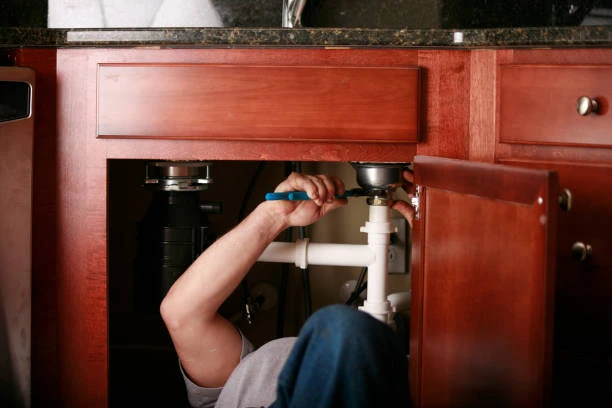
PPR emergency joints offer quick, reliable solutions for plumbing repairs, but minimizing noise in PPR quick-connect pipe systems enhances user comfort and system efficiency. This guide explores strategies to reduce noise in PPR systems, focusing on the role of PPR emergency joints. You’ll find answers to common questions, a buying guide, installation tips for noise reduction, and a comparison of PPR with other materials. By choosing high-quality PPR emergency joints and applying these techniques, you can achieve a quiet, durable plumbing system. Whether you’re fixing a leak or upgrading a system, this article helps you keep noise levels low in PPR quick-connect installations.
Common Questions About PPR Emergency Joints
1. What Are PPR Emergency Joints?
PPR emergency joints are quick-connect fittings made from polypropylene random copolymer, designed to repair leaks or connect pipes without welding or glue. Their snap-on design makes them ideal for fast fixes in noisy systems.
2. Why Do PPR Quick-Connect Systems Produce Noise?
Noise often comes from water hammer, loose pipes, or high water velocity. Proper installation and maintenance of emergency joints can significantly reduce these issues.
3. Can PPR Emergency Joints Be Used in Both Hot and Cold Water Systems?
Yes, they handle temperatures up to 95°C (203°F), making them suitable for hot and cold water systems, with proper setup to minimize noise in both.
4. How Do I Reduce Noise in PPR Systems with Emergency Joints?
Secure pipes with clamps, use pressure regulators, and ensure proper fitting connections to prevent vibrations and water hammer, reducing noise effectively.
5. How Long Do PPR Emergency Joints Last in Noisy Systems?
With correct installation and noise-reducing measures, they last over . Their corrosion-resistant material ensures durability, even in high-pressure, noisy environments.
¿Qué es un sistema de tuberías PPR?
A PPR piping system uses polypropylene random copolymer, a lightweight and durable thermoplastic, to create pipes and fittings for fluid transport. PPR systems excel in corrosion resistance, thermal stability, and ease of installation, making them ideal for quiet plumbing solutions. PPR emergency joints enable rapid repairs or connections without tools, minimizing disruptions in noisy systems. Their smooth inner surfaces reduce friction, lowering water flow noise and preventing clogs. PPR is eco-friendly, recyclable, and energy-efficient to produce, offering a sustainable alternative to metal pipes. These qualities make PPR emergency joints perfect for building quiet, reliable plumbing systems.
Usos comunes y aplicaciones industriales
PPR emergency joints are versatile, addressing plumbing needs across various sectors where noise reduction is a priority. Here’s where they’re commonly used:
- Plomería residencial: Homeowners use emergency joints to fix leaks in water supply lines for kitchens and bathrooms, where quiet operation enhances living comfort.
- Edificios comerciales: Hotels, offices, and schools rely on PPR systems for water and heating, using emergency joints for quick repairs to maintain quiet environments.
- Configuraciones industriales: Factories use PPR for non-corrosive fluid transport, with emergency joints enabling fast fixes to reduce noise in high-pressure systems.
- Sistemas de calefacción: These joints work in radiant floor heating or radiator systems, where noise reduction improves user experience in residential or commercial spaces.
- Riego agrícola: Farmers use PPR emergency joints for irrigation repairs, ensuring quiet water delivery in systems prone to flow noise.
Their speed and reliability make PPR emergency joints a top choice for noise-sensitive plumbing applications.
Buying Guide for PPR Emergency Joints
Choosing high-quality PPR emergency joints ensures effective repairs and noise reduction. Consider these factors:
- Calidad del material: Select joints made from virgin polypropylene for durability and corrosion resistance. Low-grade materials may fail, increasing noise from leaks or vibrations.
- Consistencia del colorLos accesorios de PPR están disponibles en verde, blanco o gris. Si bien el color no afecta el rendimiento, el verde es común en los sistemas de agua, lo que garantiza una apariencia uniforme.
- Compatibilidad de tamaño: Match the joint’s diameter to your pipes (e.g., 20mm, 25mm, or 32mm). Proper sizing prevents loose connections that could amplify noise.
- Certificaciones: Look for joints meeting standards like ISO 15874 or DIN 8077/8078. These certifications guarantee quality and reliability for quiet systems.
- Confiabilidad de la marca: Choose trusted brands like IFAN, with of experience in producing PPR fittings. Reputable manufacturers ensure noise-free performance.
Buying from reliable suppliers prevents issues with counterfeit joints that could lead to noisy plumbing systems.
Installation Tips for Noise Reduction
To minimize noise in PPR quick-connect pipe systems using emergency joints, follow these installation strategies:
- Secure Pipes with Clamps: Install pipe clamps every 1–1.5 meters to prevent vibrations, a common source of noise. Use rubber-lined clamps to absorb sound in high-flow systems.
- Cortar tuberías con precisión: Use a sharp pipe cutter for clean, straight cuts and smooth edges with a deburring tool. Proper cuts ensure tight seals, reducing water hammer and flow noise.
- Instalar reguladores de presión: Add a pressure regulator to control water flow and prevent high-velocity surges that cause noise. This is especially important in systems with emergency joints.
- Check Connection Integrity: Push pipes firmly into emergency joints until they click or lock. Loose connections can vibrate, amplifying noise, so verify a secure fit.
- Test for Noise: After installation, run water through the system at operating pressure and listen for unusual sounds. Adjust clamps or fittings if water hammer or rattling occurs.
These strategies, combined with the manufacturer’s guidelines, ensure PPR emergency joints contribute to a quiet, efficient plumbing system.
PPR frente a otros materiales de tuberías
To understand why PPR emergency joints excel in noise reduction, here’s a comparison with other piping materials:
| Característica | PPR | Cobre | CLORURO DE POLIVINILO | CPVC |
|---|---|---|---|---|
| Reducción de ruido | Excellent (smooth flow) | Poor (rigid, noisy) | Moderate (flow noise) | Moderate (flow noise) |
| Resistencia a la corrosión | Excelente; sin óxido | Propenso a la corrosión | Bueno; sin óxido | Bueno; sin óxido |
| Tolerancia de temperatura | Hasta 95°C | Hasta 200°C | Hasta 60°C | Hasta 82°C |
| Facilidad de instalación | Rápido (conexión rápida) | Lento (soldadura) | Moderado (pegamento) | Moderado (pegamento) |
| Durabilidad | más de 50 años | más de 50 años | 25–40 años | 25–40 años |
| Costo | Asequible | Caro | Muy asequible | Asequible |
| Respeto al medio ambiente | Reciclable, de bajo consumo energético | Reciclable, alta energía | No reciclable | Reciclabilidad limitada |
PPR’s smooth interior and quick-connect design reduce flow noise compared to copper’s rigid, vibration-prone pipes or PVC/CPVC’s moderate noise levels. PPR matches copper’s durability while being more affordable and easier to install, ideal for quiet plumbing systems.
Conclusión
PPR emergency joints offer a fast, reliable solution for plumbing repairs, and with the right techniques, they help minimize noise in quick-connect pipe systems. By securing pipes with clamps, controlling pressure, and ensuring tight connections, you can create a quiet, efficient system. Their versatility spans residential, commercial, and industrial applications, making them a top choice for noise-sensitive projects. Compared to copper, PVC, or CPVC, PPR provides superior noise reduction, affordability, and sustainability. For your next plumbing project, trust PPR emergency joints and these strategies to deliver a quiet, durable system.
Contacte con IFAN para catálogos y muestras
¿Necesita documentos técnicos, catálogos o muestras de productos? Contacte con IFAN hoy mismo.
📧 Correo electrónico: [email protected]
📱Whatsapp: +86 19857948982
Nuestro equipo responde rápidamente y brinda soporte profesional para todas sus necesidades de tuberías.
Norma internacional IFAN
Los sistemas de tuberías IFAN cumplen con una amplia gama de normas internacionales para garantizar una alta calidad y rendimiento. Entre ellas, se incluyen las normas ASTM F1974 y ASTM F1281 para sistemas de tuberías multicapa, CSA B137 para aplicaciones de plomería canadienses, DIN 16836 para especificaciones técnicas alemanas, GB18997 para normas chinas e ISO 21003, que abarca los sistemas de tuberías multicapa utilizados en instalaciones de agua caliente y fría. Este amplio alcance de certificación pone de manifiesto el compromiso de IFAN con el cumplimiento normativo global y la fiabilidad de sus productos.























