1. Introducción
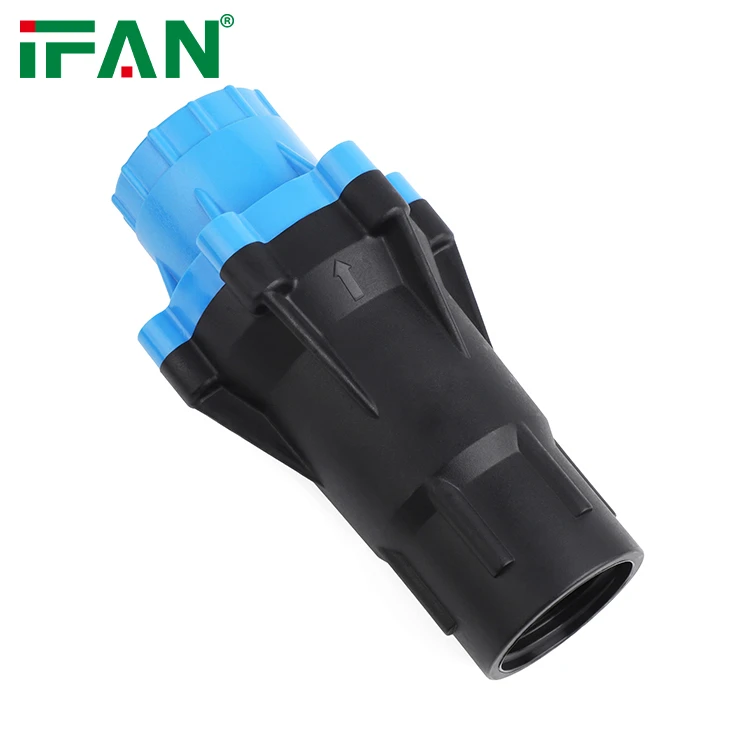
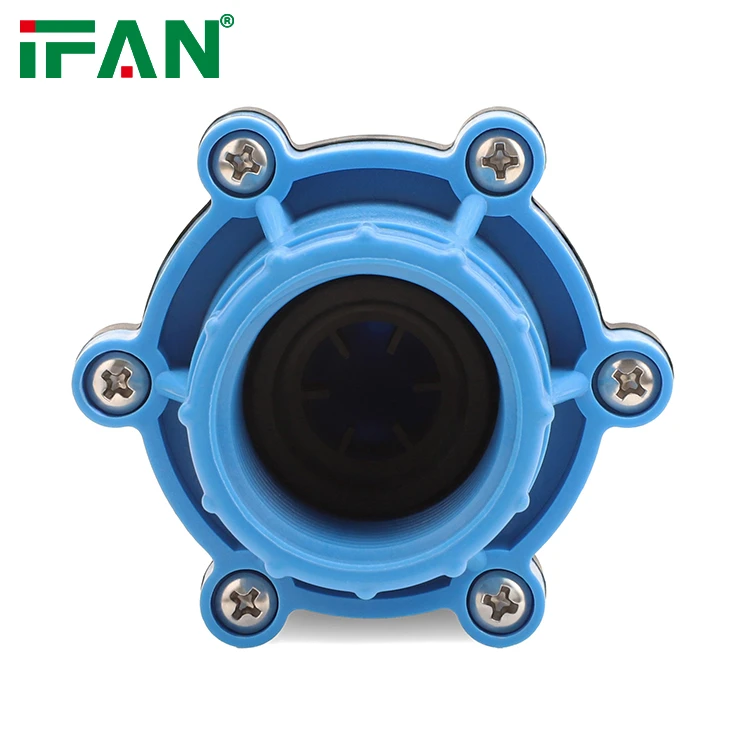
Un HDPE irrigation pressure regulator is a small but vital device that ensures consistent water pressure in drip and sprinkler systems. Without it, excessive pressure can damage emitters, waste water, and reduce irrigation efficiency. Whether you’re managing a small garden or a large agricultural field, using the right pressure regulator helps maintain uniform water distribution, protect your irrigation components, and improve crop health. This article will explain what it is, how it works, where it’s used, how to select the right one, and what to keep in mind during installation.
2. FAQ: Common Questions About Irrigation Pressure Regulators
Q1: What is an irrigation pressure regulator?
It’s a device that reduces and stabilizes water pressure to a pre-set level in irrigation systems.
Q2: Do I need a pressure regulator for drip irrigation?
Yes. Most drip systems require low and consistent pressure to avoid damaging emitters.
Q3: Can I install it above or below ground?
Both. Some regulators are designed for in-line use above ground, while others can be buried.
Q4: How do I know what pressure I need?
Check your emitter or sprinkler specifications. Most drip systems need 15–30 PSI; sprinklers may need 30–50 PSI.
Q5: How long does a pressure regulator last?
With proper use and maintenance, a quality regulator can last several seasons or more.
3. What Is an Irrigation Pressure Regulator?
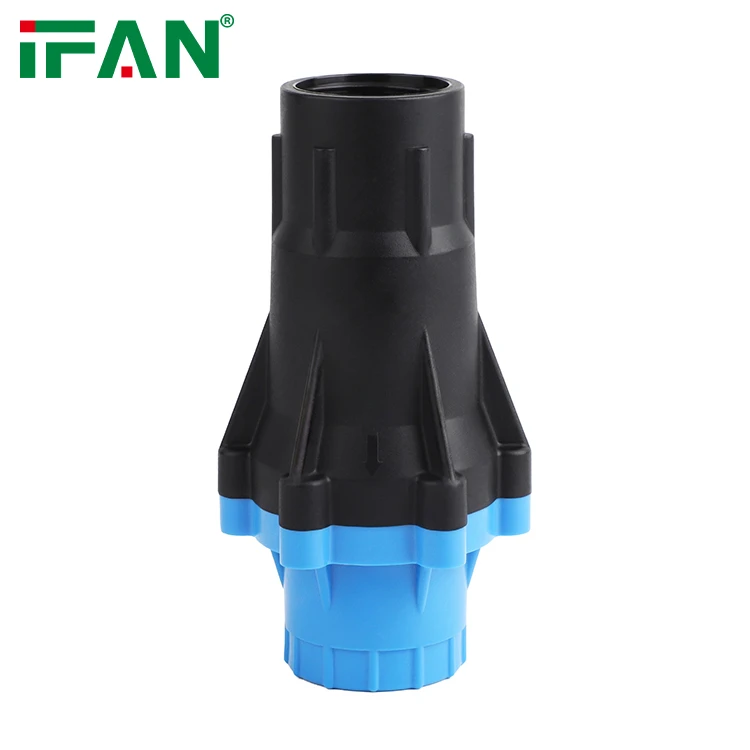
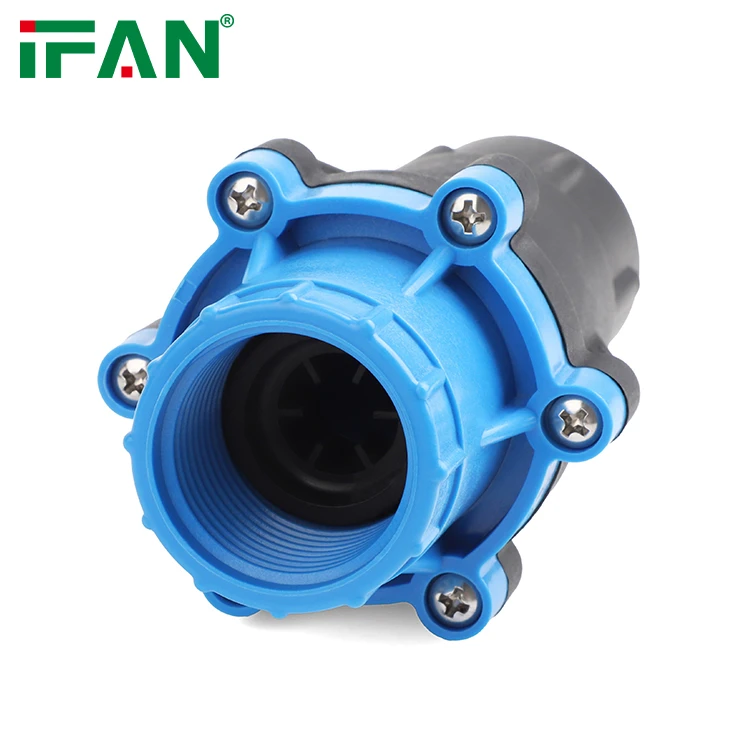
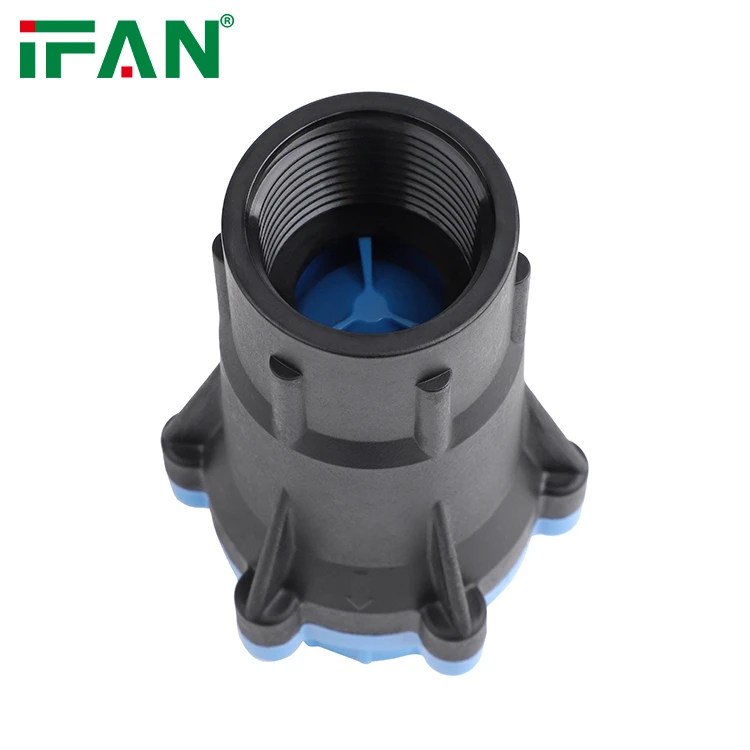
Un irrigation pressure regulator is a control valve designed to limit water pressure downstream. When water enters the regulator, an internal mechanism reduces its force and ensures that the flow remains steady. This is especially important in systems like riego por goteo, where high pressure can burst tubing or damage emitters.
Key Functions:
-
Reduces incoming water pressure
-
Stabilizes pressure during operation
-
Protects emitters, fittings, and pipes
-
Promotes efficient water usage
Unlike general plumbing regulators, those for irrigation are optimized for outdoor use, low-pressure ranges, y dirty water environments.
4. Usos e industrias comunes
Irrigation pressure regulators are used in a variety of residential, commercial, and agricultural settings. Some of the most common applications include:
• Drip Irrigation Systems
Essential for maintaining pressure around 15–30 PSI to prevent damage to emitters and tubing.
• Sprinkler Systems
Used to regulate higher pressures, often around 30–50 PSI, ensuring even spray patterns.
• Greenhouses and Nurseries
Maintains precise control of watering systems to promote healthy plant growth.
• Agricultural Fields
In large-scale farming, they prevent uneven water distribution and system wear.
• Landscape Irrigation
Ensures zones receive consistent pressure regardless of elevation or pipe length.
5. Buying Guide: How to Choose the Right Pressure Regulator
To choose the best irrigation pressure regulator, consider the following factors:
✅ 1. Desired Output Pressure
Match the regulator’s pressure rating with your system requirements—15 PSI for drip, 30–50 PSI for sprinklers.
✅ 2. Flow Rate Capacity
Select a regulator that can handle the system’s gallons per hour (GPH) or gallons per minute (GPM). Undersized regulators can reduce performance.
✅ 3. Type of Irrigation System
Use low-pressure models for drip irrigation and higher-pressure models for sprinklers or impact systems.
✅ 4. Tipo de conexión
Choose between:
✅ 5. Material
Plastic regulators are lightweight and corrosion-resistant. Brass regulators are stronger and more durable, ideal for high-demand or commercial applications.
✅ 6. Installation Position
Some regulators work only when installed horizontally, while others are versatile.
6. Consejos de instalación
Proper installation is key to optimal performance. Here’s what you should do:
✅ Step-by-Step:
-
Turn off the water source before starting.
-
Clean the pipe/tube ends to remove debris.
-
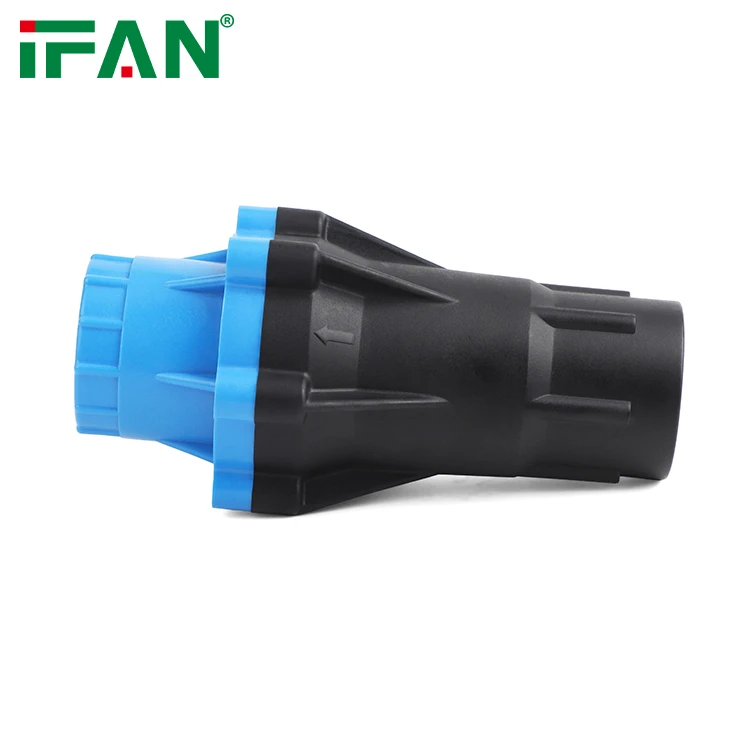
Install the regulator in the direction of water flow—look for an arrow on the body.
-
Ensure the regulator is secure and leak-free after connection.
-
Test system pressure with a pressure gauge to confirm correct operation.
⚠️ Keep in Mind:
-
Instalar before emitters or filters.
-
Don’t overtighten; it can crack plastic components.
-
Replace old regulators showing pressure instability.
7. Irrigation Pressure Regulator vs. Other Control Devices
| Característica |
Pressure Regulator |
Pressure-Compensating Emitters |
Valve Only |
| Función |
Reduces & stabilizes pressure |
Maintains constant flow rate |
Starts/stops water flow |
| Installation Point |
Before valves or emitters |
At each emitter |
Main water lines |
| Mejor para |
Full-system control |
Localized pressure control |
On/off control only |
| Pressure Accuracy |
Alto |
Medio |
Ninguno |
| Mantenimiento |
Bajo |
Medio |
Bajo |
As shown, a pressure regulator is the only component that provides system-wide pressure stabilization, which is critical for long-term irrigation performance.
8. Conclusión
Un irrigation pressure regulator is an essential tool for any efficient watering system. It safeguards components, improves water efficiency, and ensures plants get the precise amount of water they need. Whether you’re using a drip system in a backyard or managing large-scale agriculture, choosing and installing the right regulator can save you time, money, and resources.
For the best results, always match your system’s pressure and flow requirements, follow installation best practices, and inspect your equipment regularly. With the right setup, you’ll enjoy a healthy landscape and a more sustainable irrigation system.
Norma internacional IFAN
Our high-quality polyethylene pipes are manufactured in full compliance with major international standards, including ASTM D3035, ASTM D3350, ISO 4427, EN 12201, DIN 8074/8075, GB/T 13663, Norma AS/NZS 4130, JIS K6760, BS 6572, y CSA B137.1. These standards ensure outstanding mechanical strength, long service life, excellent chemical resistance, and safe performance in both water supply and industrial applications. Whether for municipal infrastructure, agricultural irrigation, mining, or gas distribution, our pipes offer reliable, certified solutions that meet global quality and safety requirements.
contact
Con experiencia, IFAN Somos un fabricante especializado en la producción de accesorios, conexiones y válvulas de plástico de alta calidad. Nuestros productos incluyen válvulas de cobre, válvulas PPR y diversos accesorios para satisfacer las diferentes necesidades de nuestros clientes. Sean cuales sean sus necesidades de plomería o válvulas, IFAN Ofrecemos una amplia gama de productos rentables para apoyar su proyecto. A continuación, encontrará nuestra información de contacto. WhatsApp: + 86 19857948982,Email:[email protected]


 Industria del plástico
 Industria del plástico
 Industria del plástico
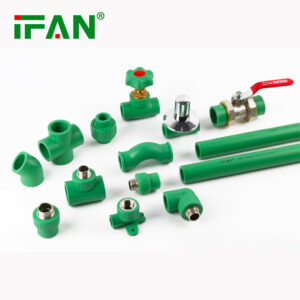 Industria del plástico
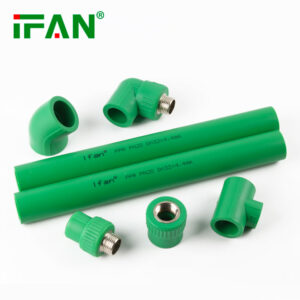 Industria del plástico
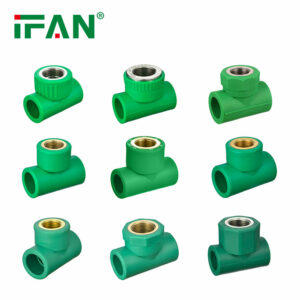 Industria del plástico
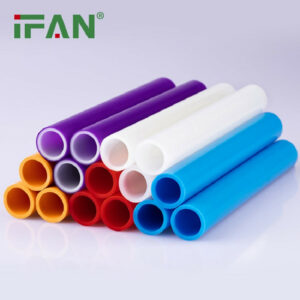 Tubería de calefacción por suelo radiante