


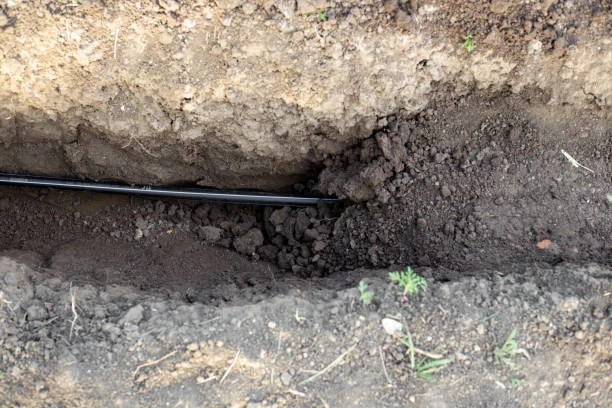
1. Introducción
HDPE drainage pipe have become a cornerstone in modern infrastructure projects due to their outstanding performance and durability. Their flexibility, chemical resistance, and ease of installation make them ideal for efficient water management and drainage systems. This article provides a comprehensive overview of HDPE drainage pipes, highlighting their key benefits, common applications, selection criteria, installation tips, and comparison with other materials.
2. Preguntas frecuentes (FAQ)
1. What is an HDPE drainage pipe?
An HDPE drainage pipe is a flexible, durable pipe made from high-density polyethylene, specifically designed to handle drainage and stormwater systems.
2. Are HDPE drainage pipes suitable for underground installation?
Yes, HDPE pipes are widely used underground due to their resistance to corrosion, chemicals, and environmental stress.
3. How long do HDPE drainage pipes last?
Under ideal conditions, HDPE pipes can last over , providing a long-term solution for drainage needs.
4. Can HDPE drainage pipes handle heavy loads?
Yes, when installed with proper bedding and backfill, HDPE pipes can withstand heavy traffic loads in roadways and highways.
5. Are HDPE pipes environmentally friendly?
Absolutely, HDPE pipes are recyclable and contribute to sustainable construction practices by reducing environmental impact.
3. Definición y características clave
HDPE drainage pipes are manufactured from high-density polyethylene, a thermoplastic known for its excellent strength-to-density ratio. Key features include:
- Exceptional chemical and corrosion resistance, suitable for aggressive environments.
- High flexibility, allowing easier installation in difficult terrains.
- Lightweight design, reducing transportation and labor costs.
- Seamless, leak-free joints via heat fusion or mechanical fittings.
- Long lifespan exceeding , reducing replacement frequency.
- Resistance to abrasion and impact damage.
4. Usos e industrias comunes
HDPE drainage pipes find extensive use across several infrastructure sectors:
- Urban stormwater drainage to efficiently manage rainfall and prevent flooding.
- Road and highway drainage systems that protect pavement and substructure from water damage.
- Industrial drainage for transporting process and wastewater safely.
- Residential drainage systems including foundation, yard, and roof drainage.
- Landfill leachate collection systems designed to handle corrosive liquids.
- Agricultural drainage improving soil moisture control.
5. Guía de compra: Qué tener en cuenta
When selecting HDPE drainage pipes, consider these important factors:
- Material grade and density, which affect strength and durability.
- Pipe diameter and wall thickness, ensuring compatibility with hydraulic requirements.
- Certifications and compliance with standards such as ISO, ASTM, and EN.
- Resistencia a los rayos UV, particularly for pipes exposed above ground.
- Jointing method, whether heat fusion or mechanical couplings.
- Environmental conditions, including soil chemistry and temperature ranges.
6. Consejos de instalación
- Prepare a stable, well-compacted bedding layer to evenly distribute loads.
- Avoid sharp bends and excessive stress on pipes during placement.
- Use trained technicians for heat fusion welding or mechanical joints.
- Allow for thermal expansion in above-ground installations.
- Conduct pressure and leak tests before system commissioning.
- Follow manufacturer guidelines strictly to ensure warranty and performance.
7. HDPE Drainage Pipe vs Other Materials (Comparison Table)
| Característica | Tubería de HDPE | Concrete Pipe | Tubería de PVC | Tubo de acero |
|---|---|---|---|---|
| Peso | Very light | Very heavy | Luz | Pesado |
| Flexibilidad | Alto | Bajo | Moderado | Bajo |
| Resistencia a la corrosión | Excelente | Pobre | Bien | Pobre |
| Installation Cost | Bajo | Alto | Moderado | Alto |
| Durability/Lifespan | 50–100 years | 30– | 30– | 20–40 años |
| Mantenimiento | Bajo | Alto | Moderado | Alto |
| Resistencia a fugas | Excelente (uniones por fusión) | Moderado | Bien | Moderado |
8. Conclusión
HDPE drainage pipes offer a highly durable, cost-effective, and environmentally friendly solution for modern infrastructure drainage needs. Their superior flexibility, longevity, and resistance to harsh environments make them a preferred choice over traditional materials. Proper selection and installation ensure a reliable drainage system that supports sustainable urban and industrial development.
Normas IFAN
Los accesorios para tuberías de PE cumplen con una amplia gama de normas internacionales para garantizar la seguridad, el rendimiento y la compatibilidad. Entre ellas se incluyen:
- ASTM D3035 y ASTM D3350 para tuberías de PE con clasificación de presión
- ISO 4427 y EN 12201 para aplicaciones de suministro de agua
- DIN 8074/8075 para especificaciones dimensionales y de calidad
- GB/T 13663 para estándares nacionales chinos en tuberías de PE
- AS/NZS 4130 para sistemas de Australia y Nueva Zelanda
- JIS K6760 para estándares de tuberías industriales japonesas
- BS 6572 para sistemas de suministro de agua fría en el Reino Unido
- CSA B137.1 para sistemas de tuberías de PE canadienses
Estas normas garantizan que los accesorios cumplan con altos requisitos de resistencia, resistencia química y durabilidad a largo plazo en una amplia variedad de instalaciones.
Contacte con IFAN para catálogos y muestras
¿Necesita documentos técnicos, catálogos o muestras de productos? Contacte con IFAN hoy mismo.
📧 Correo electrónico: [email protected]
📱Whatsapp: +86 19857948982
Nuestro equipo responde rápidamente y brinda soporte profesional para todas sus necesidades de tuberías.























