


Tubos flotantes de HDPE require precise installation techniques to ensure stability, efficiency, and longevity in water-based environments. Operators carefully plan each stage of the installation process, considering factors such as pipe length, buoyancy control, connection methods, and environmental conditions. Proper installation improves performance, minimizes maintenance, and extends the pipeline’s service life.
Key Considerations Before Installation
Before beginning the installation of HDPE floating pipes, engineers evaluate the project’s location, water conditions, and operational requirements. Site surveys help identify potential obstacles such as underwater currents, tidal fluctuations, and sediment movement. Proper planning reduces risks and ensures a smooth installation process.
Selecting the right pipe diameter, wall thickness, and connection type plays a crucial role in project success. Engineers determine these specifications based on flow capacity, pressure requirements, and material compatibility. Floatation devices, anchoring systems, and protective coatings enhance durability and stability.
Pipe Transportation and Handling
Transporting HDPE floating pipes requires careful handling to prevent damage. Trucks, barges, or cranes move the pipes to the installation site, depending on project scale and accessibility. Workers secure the pipes to avoid excessive bending or stress during transit.
On-site storage follows best practices to maintain pipe integrity. Pipes rest on flat, stable surfaces, preventing deformation. UV-resistant covers protect them from prolonged sun exposure. Proper stacking prevents compression damage, ensuring pipes remain in optimal condition for installation.
Assembling the Pipe Sections
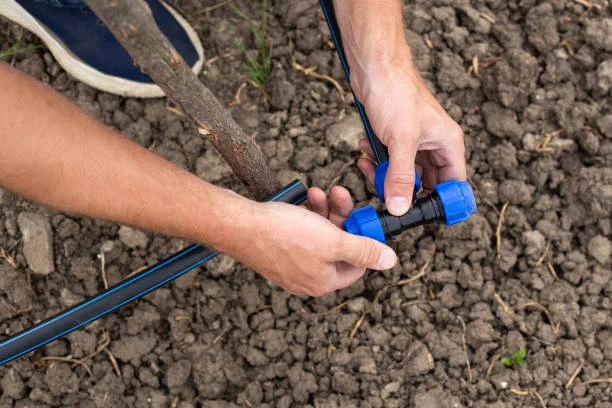
Workers join HDPE floating pipes before launching them into the water. Assembly occurs onshore or on floating platforms, depending on project size and logistics. Proper alignment and secure connections ensure a strong and leak-free pipeline.
Different connection methods, such as flange joints, electrofusion welding, or butt fusion welding, provide durable and watertight seals. Bolted flanges allow quick assembly and disassembly, while welded joints create permanent, high-strength connections. Workers inspect and test each joint to confirm structural integrity before proceeding.
Floatation Device Attachment
Attaching floatation devices keeps HDPE pipes stable on the water surface. Workers secure floats at regular intervals along the pipeline to maintain even buoyancy. The type and spacing of floats depend on pipe size, water depth, and environmental conditions.
Clamp-mounted or molded floats provide different levels of buoyancy support. Some applications require adjustable flotation collars to accommodate varying water levels. Proper floatation ensures the pipeline remains balanced and prevents excessive movement caused by waves or currents.
Launching the Pipeline into the Water
Once assembled, the HDPE floating pipeline moves from land to water using controlled launching techniques. Workers use cranes, winches, or rollers to guide the pipeline into position. Careful coordination prevents sudden drops or stress on the pipeline.
For large-scale projects, floating platforms or barges assist in deployment. Operators gradually lower the pipeline while monitoring alignment and buoyancy. The pipeline must settle evenly on the water surface without excessive bending or twisting.
Anchoring and Positioning the Pipeline
Securing the floating pipeline in place prevents unwanted movement due to waves, currents, or wind. Engineers design anchoring systems using weights, mooring lines, or underwater supports to stabilize the pipeline.
Workers place anchors at strategic points along the pipeline, ensuring balanced tension. Adjustable mooring lines allow slight movement while preventing excessive drifting. Proper anchoring reduces stress on joints and connections, maintaining long-term stability.
Connecting to Pumps, Valves, and Other Equipment
After positioning the floating pipeline, workers connect it to pumps, valves, and distribution systems. Secure connections ensure smooth fluid transfer without leaks or pressure loss. Proper alignment prevents stress on pipe joints.
Operators install flow control valves to regulate water or slurry movement. Pressure monitoring devices help maintain optimal performance. Regular inspection of these components ensures efficient operation and prevents unexpected failures.
Testing and Quality Checks
Before full operation, workers conduct tests to verify pipeline integrity. Pressure testing detects leaks or weak connections. Water flow tests confirm proper alignment and buoyancy. Visual inspections check for signs of damage or misalignment.
Operators adjust flotation devices, mooring lines, and anchor points as needed. Final checks ensure the pipeline meets performance requirements. Only after passing all quality tests does the system begin full operation.
Maintenance and Monitoring After Installation
Regular inspections and maintenance keep HDPE floating pipelines functioning efficiently. Operators monitor buoyancy, connection stability, and flow rates. Routine cleaning removes sediment buildup or biofouling.
Workers adjust mooring lines or flotation devices based on seasonal water level changes. Scheduled maintenance prevents unexpected failures, reducing downtime and repair costs. Keeping detailed records of inspections and adjustments helps optimize long-term performance.
Conclusión
Proper installation of HDPE floating pipes ensures reliable performance in water-based applications. Engineers and workers follow structured procedures, from transportation and assembly to launching, anchoring, and testing.
By selecting the right connection methods, flotation systems, and anchoring techniques, operators maintain pipeline stability and efficiency. Regular monitoring and maintenance further extend the pipeline’s service life, ensuring continuous operation in challenging environments.
Norma internacional IFAN
Los productos de HDPE de IFAN cumplen con diversas normas internacionales, lo que garantiza su calidad, durabilidad y fiabilidad. Estas normas incluyen la ASTM D3035 y la ASTM D3350, que definen las especificaciones para tuberías y materiales de polietileno (PE). Las series ISO 4427 y EN 12201 establecen estándares globales para las tuberías de PE utilizadas en sistemas de suministro de agua. Además, las normas DIN 8074/8075 y GB/T 13663 establecen los requisitos de rendimiento y dimensiones para las tuberías de HDPE en los mercados europeo y chino. Otras normas reconocidas, como la AS/NZS 4130 (Australia/Nueva Zelanda), la JIS K6760 (Japón), la BS 6572 (Reino Unido) y la CSA B137.1 (Canadá), demuestran aún más el compromiso de IFAN con el cumplimiento de las normativas del sector a nivel mundial.
Contacto
IFAN es un fabricante profesional con 30 años de experiencia, dedicado a la producción de tuberías, accesorios y válvulas de plástico de alta calidad. Nuestros productos incluyen válvulas de latón, válvulas PPR, así como diversos tubos y accesorios para satisfacer las diferentes necesidades de nuestros clientes. Ya sea que necesite tuberías de plomería y drenaje o válvulas, IFAN le ofrece una amplia gama de productos de alta calidad y económicos para apoyar sus proyectos. A continuación, encontrará nuestra información de contacto.
Responderemos su correo electrónico o fax dentro de las 24 horas.
Puede llamarnos en cualquier momento si tiene alguna pregunta sobre nuestra producción.
Para obtener más información, visite nuestro sitio web. https://www.ifanplus.com/
Por favor envíelo a: [email protected]
WhatsApp: +86 19857948982























