


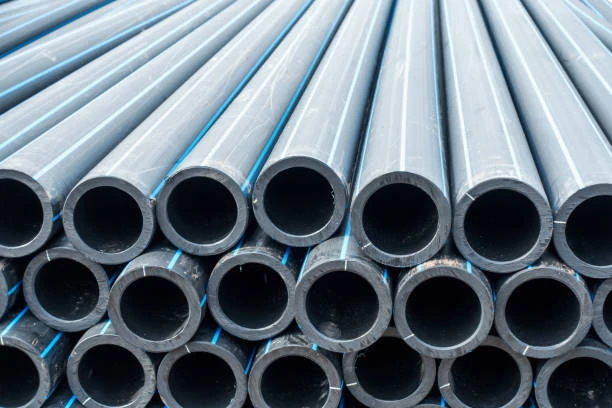
Polyethylene (PE) tubes provide excellent corrosion resistance, making them ideal for transporting water, chemicals, and gases in various industries. Unlike metal pipes, PE tubes do not rust, degrade, or corrode when exposed to harsh environments. Their non-reactive nature allows them to maintain structural integrity and performance over long periods. Engineers, contractors, and manufacturers choose them because they ensure durability and reliability in corrosive conditions.
1. Composición química y estructura
Tubos de PE contain polyethylene, a thermoplastic polymer composed of long hydrocarbon chains. The molecular structure of polyethylene creates a non-polar and chemically stable material that resists reactions with most acids, bases, and salts. Manufacturers produce PE tubes using different polymerization techniques, resulting in various types such as low-density polyethylene (LDPE), linear low-density polyethylene (LLDPE), medium-density polyethylene (MDPE), and high-density polyethylene (HDPE).
Each type of PE exhibits specific properties. LDPE and LLDPE offer more flexibility, while HDPE provides higher strength and rigidity. MDPE balances flexibility and strength, making it ideal for pressure applications. Despite these differences, all PE tubes share strong resistance to chemical corrosion, making them suitable for harsh industrial environments.
2. Resistance to Acidic and Alkaline Substances
PE tubes resist degradation when exposed to acidic and alkaline solutions. Many industries rely on PE tubing for chemical transport and wastewater management because it does not react with strong acids such as sulfuric acid, hydrochloric acid, and nitric acid. Even in high concentrations, these substances do not break down the PE material.
Alkaline substances, including sodium hydroxide and potassium hydroxide, also do not weaken PE tubes. Their non-polar molecular structure prevents chemical bonding with these reactive substances, ensuring longevity in industrial applications. This characteristic makes PE tubes an excellent choice for sewage systems, chemical plants, and mining operations.
3. Resistance to Oxidation and Electrochemical Corrosion
Unlike metal pipes, PE tubes do not undergo electrochemical reactions that lead to rust and oxidation. Traditional metal piping systems corrode over time due to moisture and oxygen exposure. This process weakens metal pipes and causes leaks, contamination, and high maintenance costs.
PE tubes eliminate these issues by offering complete resistance to oxidation. They do not require additional coatings, inhibitors, or cathodic protection to prevent rust. Their molecular stability ensures that they maintain strength and flexibility even after prolonged exposure to oxygen-rich environments.
4. Resistance to Saltwater and Marine Environments
Saltwater accelerates the corrosion process in metal pipes, leading to structural failure and contamination. PE tubes provide a corrosion-free solution for marine and coastal applications. The material does not absorb or react with salt, ensuring reliability in desalination plants, offshore oil platforms, and underwater pipelines.
PE tubes also withstand continuous exposure to moisture and humidity. Even in high-salinity environments, they maintain their original properties without degradation. This durability reduces maintenance costs and ensures long-term performance in marine applications.
5. Resistance to Microbial and Biological Corrosion
Bacteria, fungi, and algae contribute to the deterioration of metal pipes by producing corrosive byproducts. In wastewater treatment plants and industrial processing systems, microbial-induced corrosion (MIC) causes severe damage to piping infrastructure.
PE tubes eliminate this problem by resisting microbial growth. Their smooth, non-porous surface prevents bacteria from adhering and forming biofilms. Unlike metal pipes, which develop pits and corrosion sites, PE tubes maintain a clean and uncontaminated surface. This property makes them ideal for drinking water distribution, food processing, and pharmaceutical applications.
6. Resistance to Solvents and Hydrocarbons
PE tubes demonstrate strong resistance to various organic solvents and hydrocarbons. Many industrial processes involve transporting fuels, oils, and chemical solvents that degrade traditional piping materials. They withstand exposure to gasoline, diesel, lubricants, and industrial solvents without swelling, cracking, or losing structural integrity.
Their resistance to hydrocarbons makes them suitable for fuel storage, petrochemical processing, and underground pipelines. Engineers prefer PE tubes for applications that require contact with aggressive chemicals, ensuring safe and leak-free transport.
7. Long-Term Stability in Corrosive Environments
PE tubes maintain their properties for decades, even in highly corrosive environments. Their resistance to chemical attack, oxidation, and microbial degradation ensures a longer lifespan than metal alternatives. In municipal water systems, gas distribution networks, and industrial facilities, PE tubes outperform traditional materials in terms of durability and maintenance costs.
Temperature variations, pressure fluctuations, and environmental exposure do not weaken PE tubes. Their molecular stability prevents cracking, scaling, and embrittlement, ensuring long-term functionality. Unlike metal pipes that require frequent inspections and replacements, PE tubes provide reliable performance with minimal upkeep.
8. Applications in Corrosive Environments
Many industries benefit from the corrosion-resistant properties of them. Their ability to withstand harsh conditions makes them a preferred choice for the following applications:
- Sistemas de suministro de agua: PE tubes transport drinking water without contamination. Their non-reactive nature prevents leaching and corrosion.
- Plantas de procesamiento químico: Industries use them for transporting acids, bases, and solvents safely.
- Sistemas de alcantarillado y drenaje: Wastewater treatment plants rely on them for their resistance to microbial and chemical attack.
- Distribución de gas: PE tubes safely transport natural gas and other fuels without corrosion-related leaks.
- Instalaciones marinas y offshore: Saltwater resistance makes PE tubes ideal for underwater pipelines and coastal infrastructure.
- Agricultura y Riego: Farmers use PE tubes to deliver fertilizers and chemicals without degradation.
9. Comparison with Other Piping Materials
PE tubes outperform metal, concrete, and PVC pipes in corrosive environments. A comparison with other materials highlights their advantages:
- Tubos de metal: Steel, iron, and copper pipes corrode over time, requiring coatings or inhibitors. They eliminate corrosion concerns and reduce maintenance costs.
- Tubos de hormigón: Acidic wastewater degrades concrete pipes, causing structural failure. PE tubes resist acid attack and last longer.
- Tubos de PVC: While PVC provides some chemical resistance, it becomes brittle over time. Theymaintain flexibility and impact resistance in extreme conditions.
10. Environmental Benefits of Corrosion Resistance
Corrosion resistance contributes to environmental sustainability by reducing material waste and resource consumption. Metal pipes require frequent replacements, increasing energy and raw material demand. They extend infrastructure lifespan, reducing the environmental impact of manufacturing and disposal.
PE tubes also prevent leaks and contamination, ensuring clean water and safe chemical transport. Their durability reduces pipeline failures, minimizing the risk of environmental damage from hazardous spills. The ability to recycle PE material further enhances sustainability, making it an eco-friendly piping solution.
11. Advances in PE Tube Technology
Manufacturers continue to improve them by enhancing their corrosion resistance. Innovations include:
- Cross-linked PE (PEX): Increased temperature and pressure resistance for high-demand applications.
- UV-Stabilized PE: Improved durability for outdoor and exposed environments.
- Multi-Layer PE Tubes: Enhanced chemical resistance for specialized industries.
These advancements expand the use of them in even more corrosive conditions, providing industries with long-lasting and reliable solutions.
Conclusión
PE tubes offer unmatched corrosion resistance, making them the preferred choice for industries requiring durable and reliable piping solutions. Their resistance to acids, bases, salts, oxidation, and microbial growth ensures long-term performance without degradation. Unlike metal pipes, they do not rust, weaken, or require protective coatings. Their ability to withstand aggressive chemicals, hydrocarbons, and environmental exposure makes them ideal for water supply, chemical processing, gas distribution, and marine applications. Engineers and industries continue to rely on them for their exceptional durability, cost-effectiveness, and sustainability.
Norma internacional IFAN
Los tubos de PE de IFAN cumplen con diversas normas internacionales, lo que garantiza una alta calidad y fiabilidad. Estas normas incluyen las normas ASTM D3035 y ASTM D3350 para tuberías de polietileno en Norteamérica, así como las series ISO 4427 y EN 12201, que definen los criterios de rendimiento para aplicaciones de suministro de agua. Además, la norma DIN 8074/8075 describe las especificaciones para el mercado alemán, mientras que la GB/T 13663 se aplica a las normas nacionales de China. IFAN también cumple con las normas AS/NZS 4130 para Australia y Nueva Zelanda, JIS K6760 para Japón, BS 6572 para aplicaciones británicas y CSA B137.1 para Canadá. Estas certificaciones demuestran el compromiso de IFAN con el cumplimiento normativo global y el rendimiento superior de sus productos.
Contacto
IFAN es un fabricante profesional con 30 años de experiencia, dedicado a la producción de tuberías, accesorios y válvulas de plástico de alta calidad. Nuestros productos incluyen válvulas de latón, válvulas PPR, así como diversos tubos y accesorios para satisfacer las diferentes necesidades de nuestros clientes. Ya sea que necesite tuberías de plomería y drenaje o válvulas, IFAN le ofrece una amplia gama de productos de alta calidad y económicos para apoyar sus proyectos. A continuación, encontrará nuestra información de contacto.
Responderemos su correo electrónico o fax dentro de las 24 horas.
Puede llamarnos en cualquier momento si tiene alguna pregunta sobre nuestra producción.
Para obtener más información, visite nuestro sitio web. https://www.ifanplus.com/
Por favor envíelo a: [email protected]
WhatsApp: +86 19857948982























