


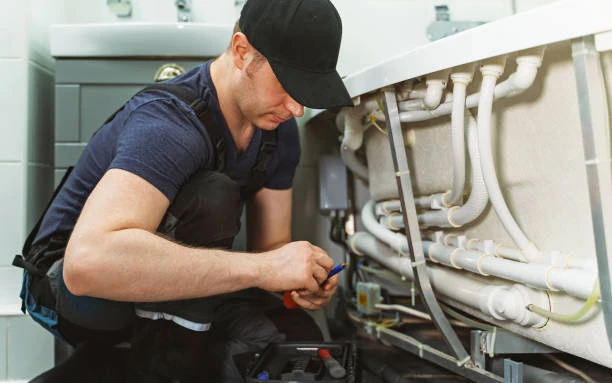
Flexible pipe hoses are crucial in industries that require handling various temperatures. These hoses must perform well in both high and low temperatures. The material selection determines how well hoses resist temperature extremes. Each material has its own temperature range, which influences its application.
1. Materials and Temperature Resistance
Materials used in flexible hoses define their temperature resistance. Different materials excel in various temperature ranges.
- Rubber: Rubber hoses typically work in moderate temperature ranges. Standard rubber handles temperatures from -20°C to 80°C. Special compounds like EPDM can resist -40°C to 120°C. Rubber is affordable and flexible, making it ideal for automotive and industrial applications.
- Thermoplastics: Thermoplastic hoses, made from PVC and polyurethane, offer good temperature resistance. PVC hoses work between -10°C and 60°C, while polyurethane performs from -30°C to 90°C. These hoses suit agriculture and light industrial work.
- Silicona: Silicone hoses are highly resistant to temperature extremes. They work from -60°C to 200°C. These hoses excel in automotive, food processing, and pharmaceutical industries. Silicone remains flexible and non-toxic under varying conditions.
- Metal: Metal hoses, like stainless steel, offer the best temperature resistance. They perform from -200°C to 700°C. These hoses are ideal for high-heat environments like power plants and petrochemical industries.
2. High Temperature Resistance
Hoses in high-temperature environments need to resist heat without losing integrity. Silicone and metal hoses excel in these conditions.
- Silicone and Metal Hoses for High Temperatures: Silicone hoses withstand temperatures up to 200°C. They are common in automotive and engine systems. Metal hoses resist temperatures over 700°C. Stainless steel is often used in industrial applications requiring extreme heat.
- Thermoplastics for Moderate Heat: Thermoplastic hoses like PVC handle temperatures between 60°C and 100°C. These hoses suit applications like cooling systems or air and water transfer. They are not as resistant to heat as silicone or metal hoses.
- Oil and Gas Applications: Flexible hoses in oil and gas systems need to resist high heat from steam, hot oils, or gases. Metal hoses, such as stainless steel braided hoses, provide the necessary resistance. These hoses perform well under high pressure and temperature.
3. Low Temperature Resistance
Flexible hoses must resist freezing temperatures without becoming brittle or cracking. Rubber and silicone hoses perform well in low-temperature environments.
- Rubber and Silicone for Low Temperatures: Rubber hoses like EPDM work in temperatures as low as -40°C. Silicone hoses remain flexible at temperatures as low as -60°C. These hoses are used in cryogenic systems and refrigeration.
- Thermoplastics in Cold Weather: Thermoplastic hoses like polyurethane resist temperatures down to -30°C. These hoses work well in cold storage, irrigation, and outdoor industrial applications. PVC hoses are less resistant to extreme cold.
- Challenges at Extreme Cold: In environments with temperatures far below freezing, rubber and silicone hoses perform best. Metal hoses struggle in low temperatures, as they become rigid and prone to cracking.
4. Temperature Cycling and Hose Life
Hoses that experience frequent temperature changes undergo stress due to expansion and contraction. This cycling can affect their lifespan.
- Material Fatigue: Temperature cycling causes materials like rubber and thermoplastics to fatigue over time. Rubber can harden, leading to cracks. Thermoplastics can become brittle and lose flexibility when exposed to constant temperature changes.
- Reinforced Hoses for Durability: Hoses used in temperature cycling applications often feature reinforcements. Steel braiding or composite layers increase hose strength and durability. Metal hoses can withstand repeated thermal expansion and contraction.
- Preventing Hose Failure: Choose hoses designed for specific temperature fluctuations. Understanding the material’s performance helps prevent premature failure and ensures reliable operation.
5. Conclusión
Selecting flexible hoses based on their temperature resistance is crucial for reliable performance. Rubber, silicone, thermoplastic, and metal hoses each have advantages for specific temperature ranges. High-temperature applications benefit from silicone and metal hoses, while low-temperature environments require rubber and silicone. Reinforced hoses are necessary for temperature cycling environments. Understanding these factors ensures selecting the best hose for any application.
Norma internacional IFAN
IFAN (Red Internacional de Fluidos y Aplicaciones) cumple con diversas normas internacionales reconocidas para garantizar la calidad y la fiabilidad de sus productos. Entre ellas, se incluye, por ejemplo, la norma ASTM A312, que especifica los requisitos para tuberías de acero inoxidable austenítico recocido, soldadas y sin costura. Asimismo, la empresa cumple con la norma GB/T 12777-2019, una norma nacional china que regula las especificaciones de las tuberías de acero inoxidable. Asimismo, IFAN cumple con la norma ISO 10380-2012, que describe los requisitos para los accesorios de tubería de acero inoxidable. Al alinearse con estas normas, IFAN no solo garantiza la excelencia técnica de sus productos, sino que también garantiza que cumplan con las exigencias de la industria global en cuanto a rendimiento, durabilidad y seguridad en diversos sistemas de fluidos y aplicaciones.
Contacto
IFAN es un fabricante profesional con 30 años de experiencia, dedicado a la producción de tuberías, accesorios y válvulas de plástico de alta calidad. Nuestros productos incluyen válvulas de latón, válvulas PPR, así como diversos tubos y accesorios para satisfacer las diferentes necesidades de nuestros clientes. Ya sea que necesite tuberías de plomería y drenaje o válvulas, IFAN le ofrece una amplia gama de productos de alta calidad y económicos para apoyar sus proyectos. A continuación, encontrará nuestra información de contacto.
Responderemos su correo electrónico o fax dentro de las 24 horas.
Puede llamarnos en cualquier momento si tiene alguna pregunta sobre nuestra producción.
Para obtener más información, visite nuestro sitio web. https://www.ifanplus.com/
Por favor envíelo a: [email protected]
WhatsApp: +86 19857948982























