


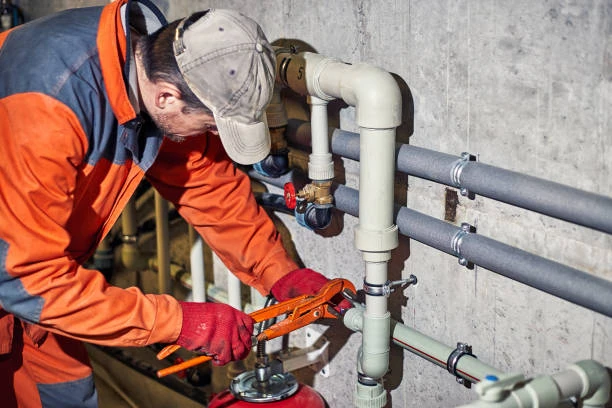
When working with PVC pipes, the cutter’s cutting force plays a vital role in determining how well and efficiently the tool performs. The cutting force affects the quality of the cut, the speed of the work, and the wear and tear on the tool. Choosing the right Cortador de tubos de PVC with the appropriate cutting force for your task ensures smooth, accurate cuts without damaging the pipe. This article explores the factors influencing the cutting force in PVC pipe cutters, how to determine the right cutter for your needs, and the impact of cutting force on both tool performance and pipe integrity.
1. Understanding PVC Pipe Properties
PVC, or Polyvinyl Chloride, is a versatile plastic commonly used for piping systems in residential, commercial, and industrial applications. PVC pipes are lightweight, easy to handle, and resistant to corrosion, making them ideal for water supply and drainage systems. The hardness and flexibility of PVC pipes can vary based on their thickness, diameter, and application. For example, thin-walled PVC pipes require less force to cut than thick-walled, heavy-duty pipes. Understanding these properties helps determine the cutting force required for the job.
2. Cutting Force Explained
Cutting force refers to the amount of pressure needed to slice through a material. For PVC pipes, this force depends on several factors, including the material’s hardness, pipe thickness, and the design of the cutting tool. A cutter needs to exert enough force to make a clean, straight cut without damaging or deforming the pipe.
The cutting force in PVC pipe cutters can come from different mechanisms:
- Manual cutters use hand force to activate a blade that cuts through the pipe.
- Ratcheting cutters use a mechanical gear mechanism that multiplies the force applied by the user, allowing them to cut through thicker or tougher PVC pipes with less effort.
- Lever-type cutters focus on the leverage effect to provide additional force for cutting thicker pipes.
The ideal cutting force is just enough to create a clean cut without causing the pipe to fracture, crack, or deform.
3. Factors Influencing Cutting Force in PVC Pipe Cutters
Several factors influence the cutting force required when using a PVC pipe cutter. These include pipe diameter, wall thickness, cutter design, and material quality.
- Diámetro de la tubería
The larger the diameter of the PVC pipe, the more cutting force is necessary. Larger pipes require more pressure to penetrate through the material, and this is especially true for cutters with smaller blades. Larger-diameter pipes also demand cutters that can apply force evenly across a broader surface area. - Espesor de la pared de la tubería
Thicker pipes are harder to cut through and require more force to slice cleanly. For example, thin-walled PVC pipes may be cut with basic hand tools, while thick-walled pipes require more advanced cutting mechanisms. Heavy-duty pipe cutters or saws are more suitable for thicker pipes, as they can deliver the additional force needed without damaging the material. - Cutting Tool Design
The design of the cutter greatly affects how efficiently it can apply the necessary cutting force. Manual cutters often require more physical effort from the user, whereas ratcheting cutters and hydraulic cutters generate more force mechanically, which is beneficial for thicker PVC pipes. The handle length, blade sharpness, and ergonomics of the cutter all contribute to the amount of force that can be applied with ease. - Calidad del material
High-quality PVC pipes with uniform consistency require less cutting force than inferior pipes that may have variations in thickness or quality. Low-quality PVC pipes may have imperfections that increase the resistance to cutting, requiring more force from the cutter. High-quality cutters also maintain sharpness longer, ensuring efficient cuts over time.
4. How Much Cutting Force Is Needed?
The amount of cutting force needed depends on the pipe’s dimensions and the cutter’s mechanism. For standard PVC pipe cutters, the cutting force ranges from 50 to 200 pounds of pressure, depending on the type and diameter of the pipe. Manual cutters can require more hand strength for larger pipes or thicker walls, while ratcheting cutters make the process easier by amplifying the force applied by the user.
Por ejemplo:
- Small Diameter, Thin-Walled PVC Pipes
Small-diameter PVC pipes (1/2 inch to 1 inch) with thin walls require a relatively low cutting force. These pipes can usually be cut with manual pipe cutters, requiring minimal hand pressure. The force applied by the user generally stays within a 50-100 lb range. - Large Diameter, Thick-Walled PVC Pipes
Larger pipes (2 inches and up) with thicker walls require significantly more force. Cutters with mechanical or ratcheting mechanisms come in handy for these applications, where the cutting force can go as high as 200 lb or more, depending on the tool and pipe thickness.
5. The Impact of Cutting Force on Cutter Performance
A cutter must apply enough force to slice through PVC pipes cleanly but not so much that it damages the pipe. Excessive cutting force can cause the cutter to slip, leading to an uneven cut or even cracking the pipe. Conversely, insufficient force can result in a jagged edge or incomplete cut.
When using too much force, the cutter may also experience wear and tear more quickly. Over time, this will degrade the performance of the cutting tool. A high-quality cutter is designed to handle higher forces while maintaining the sharpness of the blade and the overall integrity of the tool.
6. Cutting Force and Pipe Integrity
The amount of force applied when cutting PVC pipes directly affects the pipe’s integrity. Too much cutting force can cause damage to the pipe, such as cracking or deforming the edges. This is particularly a concern for thicker pipes, where excessive pressure could also compromise the structural integrity of the pipe, leading to leaks or failure over time.
On the other hand, using the appropriate amount of cutting force ensures that the pipe remains intact and free of imperfections. Clean, smooth cuts help maintain the pipe’s strength and prevent stress points that could later lead to problems such as cracking, leaking, or reduced flow efficiency.
7. Choosing the Right Pipe Cutter for the Job
Selecting the right PVC pipe cutter involves understanding the force needed for the task at hand. For light-duty tasks, such as cutting thin-walled pipes, manual cutters or simple rotary cutters may suffice. However, for larger, thicker pipes, more powerful tools like ratcheting cutters or hydraulic pipe cutters provide the extra cutting force required.
- For Thin-Walled Pipes
Basic manual cutters or rotary pipe cutters are sufficient for cutting thin-walled PVC pipes. These tools require minimal force to achieve a clean cut and are typically lightweight and easy to handle. - For Thick-Walled Pipes
For thicker PVC pipes (over 2 inches in diameter), more advanced tools such as ratcheting pipe cutters, which provide mechanical advantage, or powered saws should be used. These tools offer higher cutting forces, allowing users to handle the tougher material more effectively.
8. Maintaining the Right Cutting Force
To achieve consistent, clean cuts over time, it’s essential to maintain the cutting tool in good condition. Regular sharpening of the cutter blades ensures that the tool doesn’t require excessive force to cut through the pipe. Also, ensuring that the cutter mechanism operates smoothly will prevent unnecessary strain on both the user and the tool.
Conclusión
The cutting force required for PVC pipe cutters varies depending on pipe size, thickness, and cutter design. Understanding the material’s properties and selecting the appropriate cutter ensures efficient, clean cuts without damaging the pipe. Excessive cutting force can result in pipe deformation, while insufficient force may leave rough edges or incomplete cuts. By choosing the right tool and applying the correct amount of force, users can achieve the best results and maintain both tool performance and pipe integrity over time.
Norma internacional IFAN
Los productos IFAN cumplen con diversas normas reconocidas internacionalmente, lo que garantiza su calidad y rendimiento en diversas aplicaciones. Entre ellas se incluyen las normas ISO 15874, que definen las especificaciones para sistemas de tuberías de plástico; EN 15874, que cubre los requisitos para tuberías y accesorios de polietileno (PE) en sistemas de distribución de agua; ASTM F2389, que establece las normas para sistemas de tuberías de polietileno reticulado (PEX); DIN 8077/8078, que aborda las dimensiones y pruebas de tuberías de plástico; GB/T 18742, las normas nacionales chinas para tuberías y accesorios de plástico; y NBR 15884, una norma brasileña para sistemas de tuberías de PE y PEX. Estas certificaciones demuestran el compromiso de IFAN con el suministro de productos fiables y de alta calidad, de conformidad con los estándares internacionales de la industria.
Contacto
IFAN es un fabricante profesional con 30 años de experiencia, dedicado a la producción de tuberías, accesorios y válvulas de plástico de alta calidad. Nuestros productos incluyen válvulas de latón, válvulas PPR, así como diversos tubos y accesorios para satisfacer las diferentes necesidades de nuestros clientes. Ya sea que necesite tuberías de plomería y drenaje o válvulas, IFAN le ofrece una amplia gama de productos de alta calidad y económicos para apoyar sus proyectos. A continuación, encontrará nuestra información de contacto.
Responderemos su correo electrónico o fax dentro de las 24 horas.
Puede llamarnos en cualquier momento si tiene alguna pregunta sobre nuestra producción.
Para obtener más información, visite nuestro sitio web. https://www.ifanplus.com/
Por favor envíelo a: [email protected]
WhatsApp: +86 19857948982























