


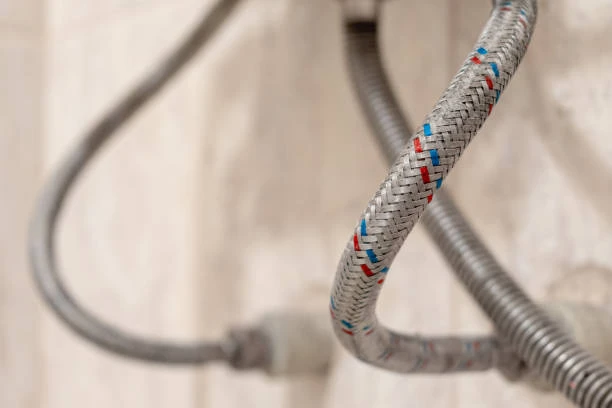
Corrosion poses significant challenges across industries, particularly in environments where pipes frequently encounter harsh chemicals, moisture, and extreme conditions. Tubos flexibles, designed to resist corrosion, offer reliable and durable solutions in such demanding scenarios. Their ability to maintain structural integrity and performance in corrosive environments makes them indispensable in industries like oil and gas, chemical processing, and water management.
Understanding Corrosion and Its Challenges
Corrosion occurs when environmental factors, such as moisture, oxygen, or chemicals, cause material degradation. Metals exposed to corrosive agents often lose strength, develop leaks, or fail entirely. Flexible pipes address these challenges through innovative design and material selection. Engineers focus on creating products that withstand long-term exposure to corrosive elements, ensuring safety and performance.
Materials That Resist Corrosion
Polymer-Based Materials
Flexible pipes made from polymers, such as PVC, HDPE, and PTFE, offer natural resistance to corrosion. These materials do not react with most chemicals or moisture, making them ideal for corrosive environments. PVC resists acids, alkalis, and salts, ensuring durability in industrial and residential applications. Its lightweight nature adds to its appeal. HDPE performs well against chemical corrosion and UV degradation, making it suitable for outdoor and underground installations. PTFE, commonly known as Teflon, exhibits exceptional chemical resistance and handles extreme temperatures effectively.
Metallic Materials
Stainless steel, particularly grades like 316L, resists corrosion through its chromium oxide layer. This layer protects the metal from moisture and chemical reactions, ensuring durability even in saltwater or chemical-heavy environments. Composite flexible pipes combine metal and polymer layers to maximize strength and corrosion resistance. For example, a stainless steel core with an outer polymer sheath can handle corrosive fluids while maintaining structural integrity.
Key Design Features for Corrosion Resistance
Protective coatings, such as epoxy or polyethylene, act as barriers, preventing corrosive agents from reaching the pipe’s core. Reinforcement layers made from corrosion-resistant materials like stainless steel or synthetic fibers provide additional strength and durability while preventing corrosion-related failures. Seamless designs reduce the risk of leaks by eliminating joints or welds, which often serve as weak points for corrosion. A smooth inner lining, made from materials like PTFE, minimizes chemical deposits and prevents localized corrosion.
Applications of Corrosion-Resistant Flexible Pipes
In the oil and gas sector, flexible pipes transport hydrocarbons, brine, and chemicals. Their corrosion resistance ensures safe operations in offshore and onshore environments. For example, subsea pipelines handle saltwater exposure and high pressures while maintaining integrity. Chemical plants use flexible pipes to transfer acids, bases, and solvents. Materials like PTFE and HDPE excel in these environments by resisting chemical reactions and maintaining performance. Corrosion-resistant pipes play a vital role in water treatment and distribution systems, preventing contamination and withstanding exposure to chlorine, salts, and other treatment chemicals. Marine environments also benefit from these pipes, where stainless steel and composite designs endure saltwater exposure and mechanical stress.
Maintenance Practices to Enhance Corrosion Resistance
Inspecting pipes for signs of wear, damage, or chemical buildup helps identify potential issues early. Addressing problems promptly prevents further damage and ensures reliable operation. Cleaning flexible pipes with appropriate methods removes corrosive agents like salt, chemicals, or debris. This practice minimizes the risk of localized corrosion and extends the pipe’s service life. Using fluids compatible with the pipe material reduces the likelihood of chemical reactions. Applying additional protective layers or using insulation reduces the impact of environmental factors. For example, insulating pipes in outdoor settings minimizes UV and moisture exposure. Modern systems use sensors to monitor corrosion rates, temperature, and pressure, helping operators detect and address potential problems before they escalate.
Benefits of Corrosion-Resistant Flexible Pipes
Corrosion-resistant pipes maintain their structural integrity longer than traditional materials, reducing the frequency of replacements and repairs. By minimizing maintenance and downtime, they lower operational costs while offering reliable performance. These pipes prevent leaks and contamination, ensuring environmental protection and aligning with sustainability goals. Their adaptability to diverse applications, including harsh chemical environments, marine settings, and high-pressure systems, makes them a preferred choice across industries.
Challenges and Innovations
High-quality corrosion-resistant materials often involve higher initial costs, but their long-term benefits outweigh the upfront expenses. Some environments present extreme conditions, such as high temperatures and aggressive chemicals. Composite designs and advanced coatings address these challenges effectively. Proper installation ensures optimal performance, requiring skilled handling to prevent damage to coatings or reinforcement layers. Research in material science continues to produce innovative solutions. Nanotechnology and hybrid composites promise to enhance corrosion resistance and durability further. Integrating sensors into flexible pipes provides real-time data on corrosion rates and environmental conditions, improving maintenance practices and preventing unexpected failures.
Conclusión
Flexible pipes designed for corrosion resistance combine innovative materials, thoughtful design, and advanced manufacturing techniques. Their ability to perform in harsh environments ensures safety, efficiency, and reliability across industries. By prioritizing proper material selection, regular maintenance, and modern technology, industries can maximize the benefits of corrosion-resistant flexible pipes. These versatile solutions continue to meet the evolving demands of challenging applications, solidifying their role as essential components in modern systems.
Norma internacional IFAN
Las normas IFAN incluyen diversas certificaciones y especificaciones internacionales, como ASTM 2846, DIN 8079/8080, ASTM F441/F441M SCH80, DIN, serie GB/T 18993, AS/NZS 1477, CSA B137.6, NSF/ANSI 14 y TIS 17-2532/1131-2535, entre otras. Estas normas garantizan la calidad, la seguridad y la fiabilidad de los productos, alineándose con los requisitos globales de fabricación y rendimiento. Al adherirse a estas normas, IFAN garantiza que sus productos cumplen con los rigurosos estándares de la industria, garantizando la satisfacción del cliente y el cumplimiento de las normativas en diversas regiones.
Contacto
IFAN es un fabricante profesional con 30 años de experiencia, dedicado a la producción de tuberías, accesorios y válvulas de plástico de alta calidad. Nuestros productos incluyen válvulas de latón, válvulas PPR, así como diversos tubos y accesorios para satisfacer las diferentes necesidades de nuestros clientes. Ya sea que necesite tuberías de plomería y drenaje o válvulas, IFAN le ofrece una amplia gama de productos de alta calidad y económicos para apoyar sus proyectos. A continuación, encontrará nuestra información de contacto.
Responderemos su correo electrónico o fax dentro de las 24 horas.
Puede llamarnos en cualquier momento si tiene alguna pregunta sobre nuestra producción.
Para obtener más información, visite nuestro sitio web. https://www.ifanplus.com/
Por favor envíelo a: [email protected]
WhatsApp: +86 19857948982























