


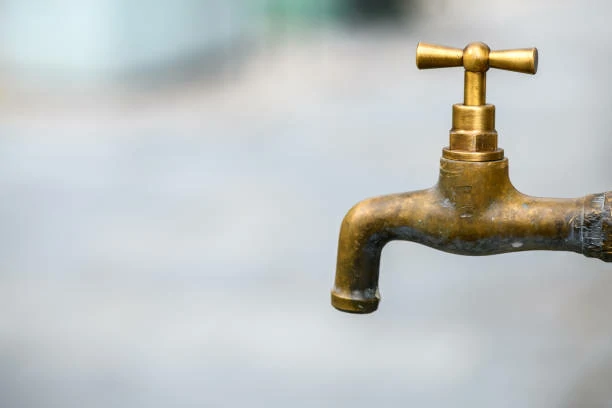
Brass bibcocks, also known as hose bibs or outdoor faucets, are popular fixtures in residential and commercial plumbing systems due to their durability and reliability. Regular maintenance ensures that these faucets remain functional and efficient for many years. This maintenance involves a few straightforward steps that help prevent common issues such as leaks, corrosion, and mineral buildup. By following a regular maintenance routine, users can extend the lifespan of their brass bibcocks and maintain optimal performance.
Inspección regular
The first step in maintaining a brass bibcock involves regular inspection. Checking the faucet periodically helps identify any signs of wear, corrosion, or leaks before they become significant problems. During an inspection, users should look for any visible cracks, dents, or discoloration on the faucet’s surface. These signs may indicate potential issues that require attention. Additionally, checking the connections between the bibcock and the water supply line ensures that the fittings remain tight and secure.
Inspecting the valve handle also forms an essential part of regular maintenance. The handle should turn smoothly without resistance. If the handle feels stiff or difficult to turn, this could indicate the need for lubrication or the presence of mineral buildup inside the valve.
Cleaning the Exterior
Keeping the exterior of the brass bibcock clean helps prevent dirt, grime, and other debris from accumulating on the surface. A simple cleaning routine involves wiping the faucet with a damp cloth to remove any dirt or dust. For more stubborn stains or mineral deposits, a solution of warm water and mild soap works effectively. Gently scrubbing the faucet with a soft brush removes any buildup without damaging the brass surface.
After cleaning, rinsing the bibcock with clean water ensures that no soap residue remains. Drying the faucet with a soft cloth helps prevent water spots and keeps the brass looking polished and attractive. Regular cleaning not only maintains the appearance of the brass bibcock but also helps prevent corrosion and other issues related to dirt and debris accumulation.
Lubricating the Valve
Over time, the valve inside the brass bibcock may become stiff or difficult to operate due to wear or mineral buildup. Lubricating the valve ensures smooth operation and extends the life of the faucet. To lubricate the valve, first, turn off the water supply to the bibcock. Next, remove the handle by unscrewing the retaining screw, and then carefully take off the packing nut that holds the valve stem in place.
Applying a small amount of plumber’s grease to the valve stem and the threads ensures that the moving parts operate smoothly. After lubricating, reassemble the bibcock by replacing the packing nut and handle. Turning the water supply back on and testing the faucet ensures that the lubrication has restored smooth operation. Regular lubrication prevents the valve from seizing up and makes it easier to operate the faucet, especially after long periods of inactivity.
Preventing Freezing in Cold Weather
In regions with cold winters, freezing poses a significant risk to brass bibcocks. Water left inside the faucet can freeze and expand, leading to cracks and leaks. Preventing freezing involves draining the bibcock and any connected hoses before the onset of cold weather. First, disconnect any hoses attached to the bibcock. Then, turn off the water supply to the faucet, either at the shutoff valve or inside the house.
Opening the bibcock allows any remaining water to drain out completely. To further protect the faucet, consider installing a frost-proof cover or insulating the bibcock with a foam cover. These measures provide an additional layer of protection against freezing temperatures, ensuring that the brass bibcock remains intact and functional throughout the winter.
Addressing Leaks Promptly
Leaks can occur in brass bibcocks due to worn-out washers, damaged seals, or loose fittings. Addressing leaks promptly prevents water waste and further damage to the faucet. To fix a leak, first, turn off the water supply to the bibcock. If the leak occurs at the spout, replacing the washer inside the valve stem usually resolves the issue.
To replace the washer, remove the handle and packing nut, and then unscrew the valve stem from the faucet body. The washer sits at the end of the valve stem and can be easily removed and replaced with a new one. If the leak occurs at the connection between the bibcock and the water supply line, tightening the fittings or applying plumber’s tape to the threads ensures a watertight seal.
After addressing the leak, turning the water supply back on and testing the faucet confirms that the repair has resolved the issue. Promptly fixing leaks prevents more extensive damage and maintains the efficiency of the brass bibcock.
Preventing and Removing Mineral Buildup
In areas with hard water, mineral buildup inside the brass bibcock can restrict water flow and cause the valve to become stiff. Preventing and removing mineral buildup involves regular cleaning and the occasional use of a descaling solution. To prevent buildup, flush the bibcock with clean water regularly, especially after using it with hard water.
If mineral deposits have already formed, soaking the faucet in a solution of equal parts vinegar and water helps dissolve the buildup. For more stubborn deposits, disassembling the faucet and soaking the internal parts in the solution ensures a thorough cleaning. After soaking, rinsing the parts with clean water and reassembling the faucet restores its function. Regularly addressing mineral buildup keeps the bibcock operating smoothly and prevents long-term damage.
Protecting the Finish
The finish on a brass bibcock adds to its aesthetic appeal, and protecting this finish ensures that the faucet remains attractive over time. Avoid using harsh chemicals or abrasive cleaners, as these can damage the finish and cause the brass to tarnish. Instead, use a mild soap solution and a soft cloth for regular cleaning.
Applying a brass polish occasionally helps maintain the shine and luster of the faucet. After polishing, buffing the faucet with a clean, dry cloth enhances the finish and provides a protective layer against tarnishing. By protecting the finish, users not only maintain the visual appeal of the brass bibcock but also contribute to its overall longevity.
Routine Testing and Adjustment
Testing the brass bibcock routinely ensures that it operates correctly. Turning the faucet on and off, checking for smooth operation, and monitoring water flow allows users to detect any issues early. If the faucet shows signs of wear or becomes difficult to operate, adjusting or replacing the necessary parts keeps it in good working condition.
Adjusting the packing nut, for instance, can stop minor leaks around the handle. Tightening the nut slightly compresses the packing material inside, creating a better seal. Regular testing and adjustment prevent small issues from developing into larger problems and keep the brass bibcock functioning efficiently.
Lista de los principales proveedores de grifos de latón
| nombre de empresa | Sede/Ubicación | Año de fundación |
| IFAN | Zhuji, China | 1993 |
| Grupo AVK | Dinamarca | 1941 |
| NIBCO | Indiana | 1904 |
| SIO | Ciudad de Ningbo, China | 2009 |
| Emerson | EE.UU | 1890 |
Estándar IFAN
IFAN ofrece productos que cumplen con una amplia gama de normas internacionales, como ISO 15875, GB/T 18992, DIN 16892, ASTM F877, ASTM F2788, BS 7291, BS EN ISO 15875 y CSA B137. Estas normas garantizan que los productos de IFAN cumplan con los más altos requisitos de calidad y seguridad para diversas aplicaciones. Al adherirse a estas rigurosas normas, IFAN garantiza la fiabilidad y el rendimiento de sus productos en diversos mercados globales.
Conclusión
Maintaining a brass bibcock involves a combination of regular inspection, cleaning, lubrication, and preventive measures. By following these steps, users can ensure that their brass bibcocks remain functional, efficient, and attractive for many years. Regular maintenance not only extends the life of the faucet but also enhances its performance, making it a reliable component in any plumbing system. With proper care, a brass bibcock continues to serve its purpose effectively, providing a dependable water source for various outdoor and indoor applications.
Contacto
IFAN es un fabricante profesional con 30 años de experiencia, dedicado a la producción de tuberías, accesorios y válvulas de plástico de alta calidad. Nuestros productos incluyen válvulas de latón, válvulas PPR, así como diversas tuberías y accesorios para satisfacer las diferentes necesidades de nuestros clientes. Ya sea que necesite tuberías de plomería y drenaje o válvulas, IFAN Ofrecemos una amplia gama de productos de alta calidad y rentables para apoyar sus proyectos. A continuación, encontrará nuestra información de contacto.
Responderemos su correo electrónico o fax dentro de las 24 horas.
Puede llamarnos en cualquier momento si tiene alguna pregunta sobre nuestra producción.
Para obtener más información, visite nuestro sitio web. https://www.ifanplus.com/
Por favor envíelo a: [email protected]
WhatsApp: +86 19857948982























