


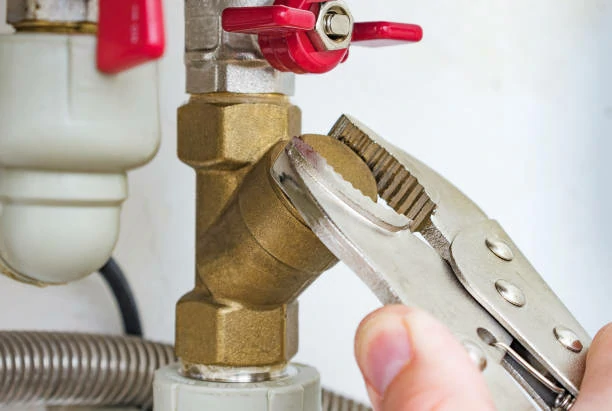
Brass fittings offer several advantages, and one of their standout features is thermal conductivity. Brass, an alloy of copper and zinc, possesses excellent thermal properties, making it an ideal material for various plumbing and mechanical applications. This article delves into the thermal conductivity of them, exploring how it benefits different systems and why it is preferred in many industries.
The Basics of Thermal Conductivity
Thermal conductivity refers to the ability of a material to conduct heat. It is measured in watts per meter-kelvin (W/m·K) and indicates how efficiently heat passes through a material. A high thermal conductivity means the material can transfer heat quickly, while a low thermal conductivity indicates slower heat transfer. Brass, with its high thermal conductivity, efficiently conducts heat, making it useful in applications where temperature regulation is critical.
Brass Composition and Thermal Conductivity
The composition of brass significantly influences its thermal conductivity. Brass typically consists of 60-70% copper and 30-40% zinc. Copper, a metal known for its excellent thermal conductivity, forms the primary component of brass. The addition of zinc enhances the alloy’s strength and durability without significantly diminishing its thermal conductivity. The result is a material that balances thermal efficiency with mechanical robustness.
However, the thermal conductivity of brass is not solely determined by its composition. Other factors play crucial roles:
- Temperature: As the temperature rises, the thermal conductivity of metals, including brass, generally increases. This relationship is vital for applications where brass components are exposed to varying thermal environments, ensuring consistent performance across different conditions.
- Microstructure: The manufacturing process and subsequent heat treatments can alter the microstructure of brass. These changes can, in turn, influence its thermal conductivity. Understanding the impact of these processes helps in optimizing brass for specific applications, marrying thermal efficiency with desired mechanical properties.
By considering these factors—composition, temperature, and microstructure—you can better predict and manipulate the thermal conductivity of brass for your specific needs. This comprehensive understanding ensures that brass remains a versatile and reliable material in various industrial applications.
Is It Possible to Enhance the Thermal Conductivity of Brass?
Enhancing the thermal conductivity of brass is indeed achievable through several methods. By employing particular alloying techniques, the heat transfer capabilities of brass can be significantly improved.
- Alloy Additions: Integrating elements like nickel into brass can boost its performance, especially in demanding environments where heat management is critical.
- Heat Treatments: Applying specific heat treatments can alter the microstructure of brass, optimizing it for better thermal conductivity.
- Surface Improvements: Refining the surface finish of brass components is another method to enhance heat transfer. A smoother surface can reduce resistance to heat flow, improving overall efficiency.
These strategies collectively enable brass to perform better in various applications, contributing to more effective thermal management.
Applications Benefiting from Brass Fittings’ Thermal Conductivity
Brass fittings’ thermal conductivity plays a crucial role in various applications:
1. Plumbing Systems:
In plumbing, brass fittings are commonly used in hot water systems. The high thermal conductivity of brass ensures efficient heat transfer, maintaining water temperature as it flows through pipes. This efficiency is especially important in heating systems, where consistent water temperature is required. Brass fittings help reduce energy loss, contributing to the overall efficiency of the system.
2. HVAC Systems:
Heating, ventilation, and air conditioning (HVAC) systems rely on materials with good thermal conductivity for optimal performance. Brass fittings, used in heat exchangers and condensers, facilitate the transfer of heat between different mediums, such as air, water, or refrigerants. The efficient heat exchange enabled by them helps maintain desired temperatures, improving the system’s energy efficiency and reducing operational costs.
3. Automotive Industry:
In the automotive sector, brass fittings are utilized in cooling systems. The engine cooling system, for example, requires materials that can quickly transfer heat away from the engine to prevent overheating. Brass fittings, with their excellent thermal conductivity, ensure that heat is effectively dissipated, maintaining engine performance and preventing damage.
4. Industrial Machinery:
Brass fittings find use in various industrial machinery, particularly in systems where temperature control is crucial. In processes involving high temperatures, such as metal casting or chemical processing, brass fittings help regulate temperatures by efficiently transferring heat away from critical components. This thermal management extends the lifespan of machinery and enhances operational safety.
Advantages of Brass Fittings’ Thermal Conductivity
Brass fittings offer several advantages due to their thermal conductivity:
1. Energy Efficiency:
The high thermal conductivity of contributes to energy efficiency in systems where heat transfer is essential. By efficiently transferring heat, brass fittings reduce the need for additional energy input to maintain desired temperatures, lowering overall energy consumption. This efficiency is particularly beneficial in large-scale systems, where even small reductions in energy use can result in significant cost savings.
2. Temperature Stability:
Brass fittings help maintain temperature stability in various systems. In plumbing, HVAC, and industrial applications, consistent temperature regulation is critical for performance and safety. Brass fittings ensure that heat is evenly distributed, preventing hotspots and reducing the risk of thermal stress on components. This stability enhances the reliability and longevity of systems.
3. Durability Under Thermal Stress:
Brass fittings, thanks to their thermal conductivity, withstand thermal stress better than materials with lower conductivity. When exposed to fluctuating temperatures, materials with poor thermal conductivity can experience uneven expansion and contraction, leading to cracks or deformation. Brass, on the other hand, evenly distributes heat, minimizing thermal stress and reducing the likelihood of damage over time.
4. Versatility:
Brass fittings are versatile due to their ability to perform well in a wide range of temperatures. Whether in extreme heat or cold, brass maintains its structural integrity and continues to conduct heat efficiently. This versatility makes them suitable for diverse applications, from household plumbing to complex industrial systems.
Comparación del latón con otros materiales
While brass fittings excel in thermal conductivity, it’s important to compare them with other materials commonly used in similar applications:
1. Copper:
Copper has a higher thermal conductivity than brass, typically around 385 W/m·K. However, brass offers better corrosion resistance and mechanical strength, making it more suitable for certain applications. In situations where moderate thermal conductivity is sufficient, brass is often preferred due to its durability and cost-effectiveness.
2. Stainless Steel:
Stainless steel has a much lower thermal conductivity than brass, around 16 W/m·K. While stainless steel offers excellent corrosion resistance and strength, it is not as effective in applications requiring efficient heat transfer. Brass fittings are more suitable for systems where thermal conductivity is a priority.
3. Plastic:
Plastic materials, such as PVC, have very low thermal conductivity, typically below 0.2 W/m·K. While plastics are lightweight and resistant to corrosion, they are not suitable for applications requiring heat transfer. Brass fittings are far superior in scenarios where thermal conductivity is crucial.
Estándar IFAN
IFAN ofrece productos que cumplen con una amplia gama de normas internacionales, como ISO 15875, GB/T 18992, DIN 16892, ASTM F877, ASTM F2788, BS 7291, BS EN ISO 15875 y CSA B137. Estas normas garantizan que los productos de IFAN cumplan con los más altos requisitos de calidad y seguridad para diversas aplicaciones. Al adherirse a estas rigurosas normas, IFAN garantiza la fiabilidad y el rendimiento de sus productos en diversos mercados globales.
Conclusión
The thermal conductivity of brass fittings makes them an essential component in many systems where efficient heat transfer is necessary. Their ability to conduct heat quickly and evenly contributes to energy efficiency, temperature stability, and durability under thermal stress. Brass fittings, with their balance of thermal conductivity, strength, and corrosion resistance, offer a versatile solution for various applications, from plumbing and HVAC systems to industrial machinery and automotive components. When considering materials for applications that require thermal conductivity, brass fittings stand out as a reliable and effective choice.
Contacto
IFAN es un fabricante profesional con 30 años de experiencia, dedicado a la producción de tuberías, accesorios y válvulas de plástico de alta calidad. Nuestros productos incluyen válvulas de latón, válvulas PPR, así como diversas tuberías y accesorios para satisfacer las diferentes necesidades de nuestros clientes. Ya sea que necesite tuberías de plomería y drenaje o válvulas, IFAN Ofrecemos una amplia gama de productos de alta calidad y rentables para apoyar sus proyectos. A continuación, encontrará nuestra información de contacto.
Responderemos su correo electrónico o fax dentro de las 24 horas.
Puede llamarnos en cualquier momento si tiene alguna pregunta sobre nuestra producción.
Para obtener más información, visite nuestro sitio web. https://www.ifanplus.com/
Por favor envíelo a: [email protected]
WhatsApp: +86 19857948982























