


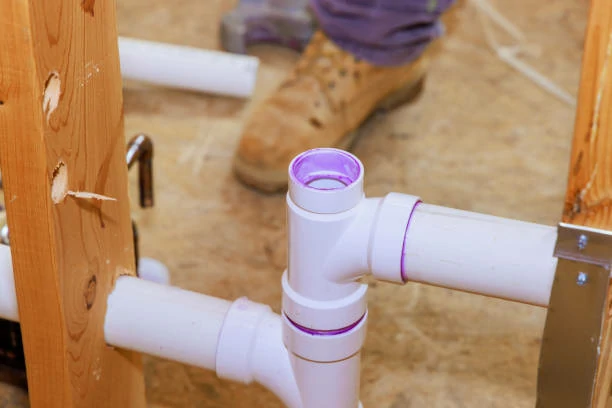
Los tubos de cloruro de polivinilo (PVC) se destacan como la opción preferida en diversas industrias debido a su excelente resistencia al fuego. Esta propiedad los convierte en un material ideal para aplicaciones que requieren seguridad contra incendios. La resistencia al fuego de los tubos de PVC contribuye significativamente a su uso generalizado en la construcción, instalaciones eléctricas y otras industrias donde el fuego...
Composition and Fire Resistance
PVC tubing’s fire resistance stems from its chemical composition. PVC consists of 57% chlorine, derived from common salt, and 43% carbon, predominantly derived from oil or natural gas. The high chlorine content plays a crucial role in enhancing PVC’s fire-resistant properties. When exposed to fire, PVC releases chlorine atoms, which act as flame retardants. These atoms help in slowing down the combustion process by interrupting the chemical reactions that sustain fire.
Moreover, PVC has a high ignition temperature, approximately 455°C (851°F), which means it requires a significant amount of heat to ignite. This high ignition temperature, combined with its low heat release rate, ensures that PVC tubing does not contribute to the rapid spread of fire. In comparison to other plastics, PVC releases less heat during combustion, which reduces the risk of fire propagation.
Low Flame Spread and Smoke Density
In addition to its resistance to ignition, PVC tubing also exhibits low flame spread. Flame spread refers to the rate at which flames move across the surface of a material. PVC’s low flame spread characteristic means that in the event of a fire, the flames will not easily travel along the tubing, thereby reducing the chances of the fire spreading to other areas.
Furthermore, PVC tubing produces relatively low amounts of smoke when it burns. Smoke density is an important factor in fire safety, as thick smoke can obscure visibility and hinder evacuation efforts. PVC’s low smoke production helps maintain clearer visibility during a fire, which can be crucial for safely exiting a building. Additionally, the smoke that PVC tubing produces contains less toxic and corrosive gases compared to other materials. This aspect further enhances safety, reducing the risk of inhalation injuries and corrosion damage to equipment and structures.
Self-Extinguishing Properties
Another significant advantage of PVC tubing lies in its self-extinguishing properties. When the source of the flame is removed, PVC tubing stops burning. This self-extinguishing behavior occurs because the material does not support combustion on its own. The high chlorine content in PVC disrupts the flame’s chemical reactions, causing the fire to extinguish itself. This property is especially important in preventing small fires from escalating into larger, more dangerous ones.
Compliance with Fire Safety Standards
PVC tubing complies with various international fire safety standards, making it a reliable choice for applications requiring fire-resistant materials. Standards such as the UL 94, ASTM E84, and the NFPA (National Fire Protection Association) guidelines evaluate the flammability and smoke generation of materials used in construction and other industries. PVC tubing consistently meets or exceeds these standards, which ensures its suitability for use in environments where fire safety is a priority.
For instance, the UL 94 standard classifies plastics based on their burning characteristics. PVC tubing often achieves a V-0 rating, which indicates that it stops burning within 10 seconds after the removal of the flame source, without dripping flaming particles. This high rating underscores the material’s ability to resist fire and prevent the spread of flames.
Applications in Fire-Prone Environments
The excellent fire resistance of PVC tubing makes it a preferred choice in various fire-prone environments. In the construction industry, PVC tubing is widely used for electrical conduits, plumbing, and HVAC systems. Its fire-resistant properties ensure that these installations contribute to the overall safety of buildings, especially in areas where fire risks are high.
In the electrical industry, PVC tubing serves as an insulating material for cables and wires. Its low flame spread and self-extinguishing properties provide added protection against electrical fires. Moreover, the tubing’s ability to resist heat and flames helps maintain the integrity of electrical systems during a fire, reducing the risk of short circuits and electrical failures.
PVC tubing also finds extensive use in transportation, particularly in the automotive and aerospace industries. Vehicles, especially those used in public transportation, require materials that enhance fire safety. PVC tubing’s fire resistance makes it an ideal choice for fuel lines, ventilation systems, and other critical components in vehicles. Its ability to resist combustion and prevent the spread of flames helps protect passengers and cargo in the event of a fire.
Enhancements and Innovations
Ongoing research and development in the field of PVC tubing aim to further enhance its fire-resistant properties. Manufacturers are exploring the addition of flame retardants and other chemical compounds to improve the material’s performance in high-temperature environments. These innovations seek to make PVC tubing even more effective in preventing fires and reducing the associated risks.
For example, the inclusion of additives like antimony trioxide, aluminum hydroxide, or phosphorus-based compounds can further lower the flammability of PVC tubing. These flame retardants work by promoting char formation, which acts as a barrier to heat and oxygen, essential elements for combustion. This results in even lower flame spread and smoke density, making PVC tubing safer for use in critical applications.
Conclusión
PVC tubing’s fire resistance makes it an indispensable material in various industries. Its composition, low flame spread, self-extinguishing properties, and compliance with international fire safety standards ensure its effectiveness in preventing and controlling fires. As research and innovation continue to enhance these properties, PVC tubing will remain a top choice for applications where fire safety is crucial. Whether in construction, electrical systems, transportation, or other fire-prone environments, PVC tubing provides reliable protection, contributing to safer and more resilient infrastructures.
Contacto
IFAN es un fabricante profesional con 30 años de experiencia, dedicado a la producción de tuberías, accesorios y válvulas de plástico de alta calidad. Nuestros productos incluyen válvulas de latón, válvulas PPR, así como diversas tuberías y accesorios para satisfacer las diferentes necesidades de nuestros clientes. Ya sea que necesite tuberías de plomería y drenaje o válvulas, IFAN Ofrecemos una amplia gama de productos de alta calidad y rentables para apoyar sus proyectos. A continuación, encontrará nuestra información de contacto.
Responderemos su correo electrónico o fax dentro de las 24 horas.
Puede llamarnos en cualquier momento si tiene alguna pregunta sobre nuestra producción.
Para obtener más información, visite nuestro sitio web. https://www.ifanplus.com/
Por favor envíelo a: [email protected]
WhatsApp: +86 19857948982























