


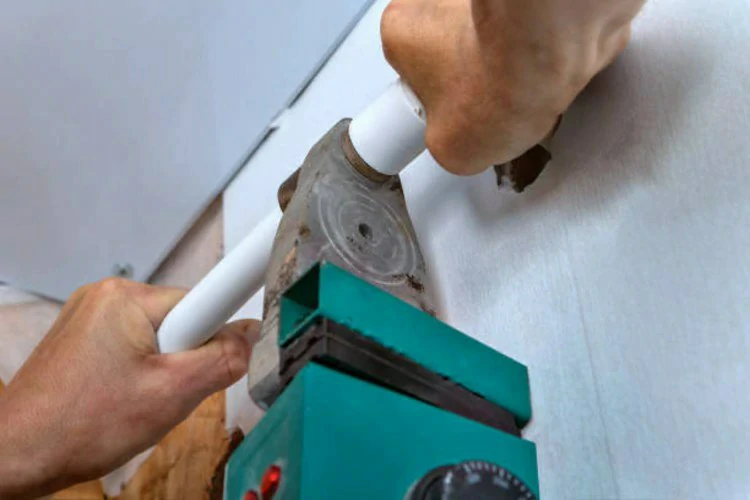
CPVC pipe fittings and PVC pipe fittings are staples in plumbing systems, each boasting distinct properties, applications, and performance characteristics. It’s essential to grasp these disparities to pinpoint the ideal material for precise plumbing requirements.
1. Composición del material
CPVC Pipe Fittings:
CPVC (Chlorinated Polyvinyl Chloride) pipe fittings are created by chlorinating PVC resin, enhancing the material’s temperature and chemical resistance. The increased chlorine content improves CPVC’s ability to endure hot water and corrosive chemicals, making it ideal for hot water distribution systems and industrial use where PVC may not suffice.
PVC Pipe Fittings:
PVC (Polyvinyl Chloride) pipe fittings are made from PVC resin, which is a synthetic polymer known for its versatility, affordability, and ease of installation. While PVC fittings offer excellent corrosion resistance and durability, they have lower temperature tolerance compared to CPVC fittings and may become brittle at high temperatures, limiting their use in hot water applications.
2. Temperature Resistance
CPVC Pipe Fittings:
CPVC pipe fittings exhibit superior temperature resistance compared to PVC fittings, withstanding temperatures up to 200°F (93°C) or higher. This makes CPVC fittings ideal for hot water distribution systems, industrial processes, and applications where exposure to high temperatures is common.
PVC Pipe Fittings:
PVC fittings exhibit a lower temperature tolerance compared to CPVC fittings, and temperatures exceeding 140°F (60°C) may cause them to become brittle. While PVC fittings serve well in general plumbing and cold water applications, they are not advisable for use in hot water systems or environments with significant temperature fluctuations.
3. Resistencia química
CPVC Pipe Fittings:
CPVC pipe fittings offer enhanced chemical resistance compared to PVC fittings, thanks to the additional chlorine content in the material. PVC is resistant to a wide range of corrosive chemicals, including acids, bases, salts, and solvents. This makes it suitable for use in aggressive environments such as chemical processing plants, laboratories, and industrial facilities.
PVC Pipe Fittings:
CPVC pipe fittings provide excellent resistance to many common chemicals, including acids, alkalis, and salts. PVC may not be suitable for highly corrosive environments or extreme pH levels, as it can degrade over time. It finds common use in residential plumbing, irrigation systems, and water supply networks where exposure to aggressive chemicals is minimal.
Conclusión
CPVC pipe fittings and PVC pipe fittings have distinct differences in terms of material composition, temperature resistance, and chemical resistance. While both CPVC and PVC fittings offer durability, affordability, and ease of installation, CPVC excels in applications requiring high-temperature and enhanced chemical resistance. PVC fittings, on the other hand, are suitable for general plumbing and cold water applications. Understanding these differences empowers plumbing professionals and homeowners to choose the right material for their specific plumbing needs.
Contacto
IFAN es un fabricante profesional con 30 años de experiencia, dedicado a la producción de tuberías, accesorios y válvulas de plástico de alta calidad. Nuestros productos incluyen válvulas de latón, válvulas PPR, así como diversas tuberías y accesorios para satisfacer las diferentes necesidades de nuestros clientes. Ya sea que necesite tuberías de plomería y drenaje o válvulas, IFAN Ofrecemos una amplia gama de productos de alta calidad y rentables para apoyar sus proyectos. A continuación, encontrará nuestra información de contacto.
Responderemos su correo electrónico o fax dentro de las 24 horas.
Puede llamarnos en cualquier momento si tiene alguna pregunta sobre nuestra producción.
Para obtener más información, visite nuestro sitio web. https://www.ifanplus.com/
Por favor envíelo a: [email protected]























