


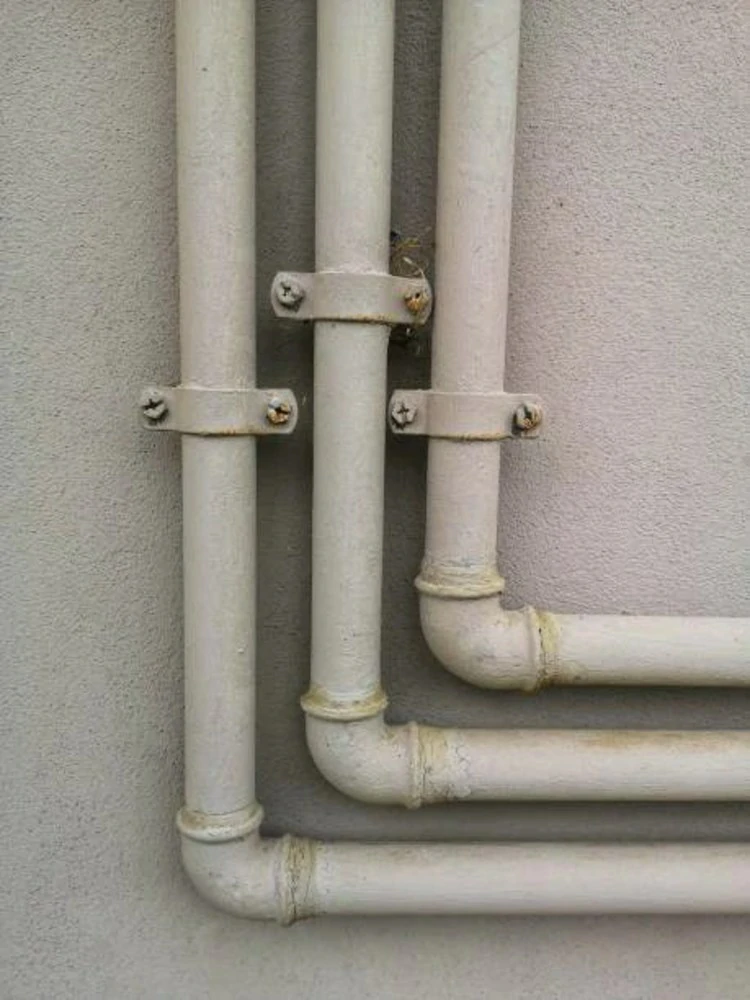
Understanding PPR Pipes: An Overview
PPR pipes, also known as polypropylene random copolymer pipes, are widely used in plumbing and piping systems due to their excellent properties and versatility. Understanding the materials that make up PPR pipe is essential for comprehending their characteristics and advantages. In this section, we will delve into the detailed composition of PPR pipe and explore the unique features of their materials.
The Composition of PPR Pipes: Polypropylene and Copolymers
1. Polypropylene (PP): The Main Component
Polypropylene is the primary material used in the manufacturing of PPR pipes. It is a thermoplastic polymer known for its high strength, chemical resistance, and thermal stability. Polypropylene offers excellent mechanical properties, including toughness and flexibility, making it suitable for various applications. In PPR pipes, polypropylene serves as the backbone material, providing structural integrity and durability.
2. Random Copolymers: Enhancing Properties
In addition to polypropylene, PPR pipes contain random copolymers, which are added to modify specific properties of the material. These copolymers improve characteristics such as impact resistance, heat resistance, and processability. By incorporating random copolymers into the polymer matrix, PPR pipe achieve a balance of strength, flexibility, and other desirable properties required for plumbing applications.
Key Characteristics of PPR Pipe Materials
1. Chemical Resistance: Withstanding Corrosive Agents
PPR pipes exhibit exceptional resistance to chemical corrosion, making them suitable for transporting various fluids, including acids, alkalis, and organic solvents. The polypropylene matrix and copolymer additives form a barrier that prevents chemical substances from degrading the pipe material. This chemical resistance ensures long-term durability and reliability in aggressive environments.
2. Thermal Stability: Resisting High Temperatures
PPR pipe materials boast excellent thermal stability, allowing them to withstand high temperatures without deformation or loss of mechanical properties. Their thermal resistance enables usage in hot water systems, underfloor heating, and other high-temperature applications while maintaining performance. Moreover, PPR pipes exhibit low thermal conductivity, minimizing heat loss and enhancing energy efficiency.
Conclusión:
The composition of PPR pipes, primarily consisting of polypropylene and random copolymers, contributes to their outstanding properties and performance. With excellent chemical resistance, thermal stability, and mechanical strength, PPR pipe offer a reliable and durable solution for plumbing and piping systems. By understanding the materials that make up PPR pipe, professionals and homeowners can make informed decisions when selecting piping materials for their projects.
Contacto
IFAN es un fabricante profesional con 30 años de experiencia, dedicado a la producción de tuberías, accesorios y válvulas de plástico de alta calidad. Nuestros productos incluyen válvulas de latón, válvulas PPR, así como diversas tuberías y accesorios para satisfacer las diferentes necesidades de nuestros clientes. Ya sea que necesite tuberías de plomería y drenaje o válvulas, IFAN Ofrecemos una amplia gama de productos de alta calidad y rentables para apoyar sus proyectos. A continuación, encontrará nuestra información de contacto.
Responderemos su correo electrónico o fax dentro de las 24 horas.
Puede llamarnos en cualquier momento si tiene alguna pregunta sobre nuestra producción.
Para obtener más información, visite nuestro sitio web. https://www.ifanplus.com/
Por favor envíelo a: [email protected]























