


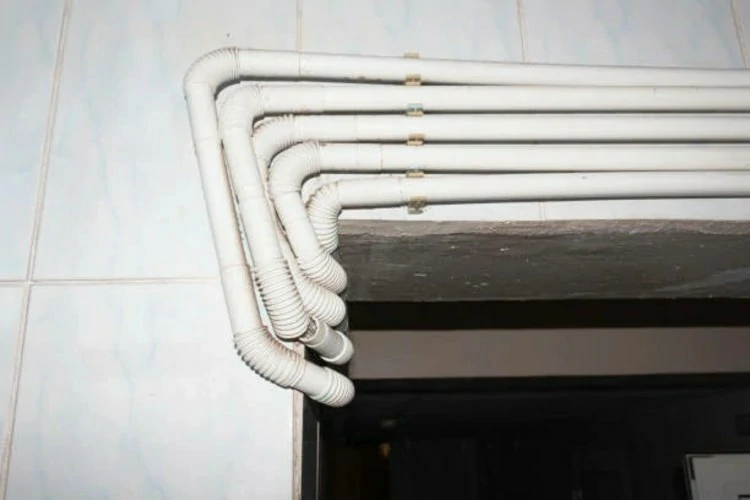
1. Preparing for Installation
Ensuring Proper Planning and Measurement
Before starting the installation process, it is essential to plan the layout of the piping system carefully. Take accurate measurements of the space where the PPR pipes will be installed, considering factors such as pipe length, diameter, and fitting requirements. Proper planning helps prevent errors and ensures a smooth installation process.
Recopilación de herramientas y materiales necesarios
Gather all the necessary tools and materials required for the installation, including PPR pipes, fittings, solvent cement, measuring tape, pipe cutter, deburring tool, and marker. Having everything prepared beforehand saves time and minimizes disruptions during the installation process.
2. Installation Steps
Cutting and Deburring PPR Pipes
Start by cutting the PPR pipes to the required length using a pipe cutter. Ensure that the cuts are clean and straight to achieve a proper fit with the fittings. After cutting, use a deburring tool to remove any rough edges or burrs from the cut ends of the pipes, ensuring smooth connections and preventing leaks.
Dry Fitting and Marking
Dry fit the pipes and fittings together without applying solvent cement to check for proper alignment and fit. Use a marker to indicate the positions where the pipes and fittings will be joined, ensuring accuracy during the cementing process. Make any necessary adjustments to ensure a snug and secure fit.
Applying Solvent Cement and Assembly
Once satisfied with the dry fitting, disassemble the PPR pipes and fittings, and apply solvent cement to the mating surfaces. Ensure that both the pipe and fitting are clean and dry before applying the cement. Assemble the pipes and fittings together firmly, twisting slightly to ensure a proper bond. Hold the joint in place for a few seconds to allow the cement to set.
3. Safety and Maintenance Considerations
Proper Ventilation
Ensure adequate ventilation in the installation area when working with solvent cement to prevent the inhalation of fumes. Work in a well-ventilated space or use respiratory protection if necessary to minimize exposure to potentially harmful vapors.
Inspección y mantenimiento regulares
After installation, conduct regular inspections of the PPR piping system to check for any signs of leaks, damage, or wear. Address any issues promptly to prevent potential problems and ensure the continued efficiency and reliability of the system. Additionally, follow manufacturer recommendations for routine maintenance to prolong the lifespan of the PPR pipes and fittings.
Conclusión
Installing PPR pipes requires careful planning, precise measurement, and proper execution to ensure a successful outcome. By following the recommended installation methods and considering essential safety precautions, stakeholders can achieve a reliable and long-lasting piping system for various applications. Regular inspection and maintenance further contribute to the performance and longevity of the PPR piping system, ensuring efficient fluid transmission and control in residential, commercial, and industrial settings.
Contacto
IFAN es un fabricante profesional con 30 años de experiencia, dedicado a la producción de tuberías, accesorios y válvulas de plástico de alta calidad. Nuestros productos incluyen válvulas de latón, válvulas PPR, así como diversas tuberías y accesorios para satisfacer las diferentes necesidades de nuestros clientes. Ya sea que necesite tuberías de plomería y drenaje o válvulas, IFAN Ofrecemos una amplia gama de productos de alta calidad y rentables para apoyar sus proyectos. A continuación, encontrará nuestra información de contacto.
Responderemos su correo electrónico o fax dentro de las 24 horas.
Puede llamarnos en cualquier momento si tiene alguna pregunta sobre nuestra producción.
Para obtener más información, visite nuestro sitio web. https://www.ifanplus.com/
Por favor envíelo a: [email protected]























