


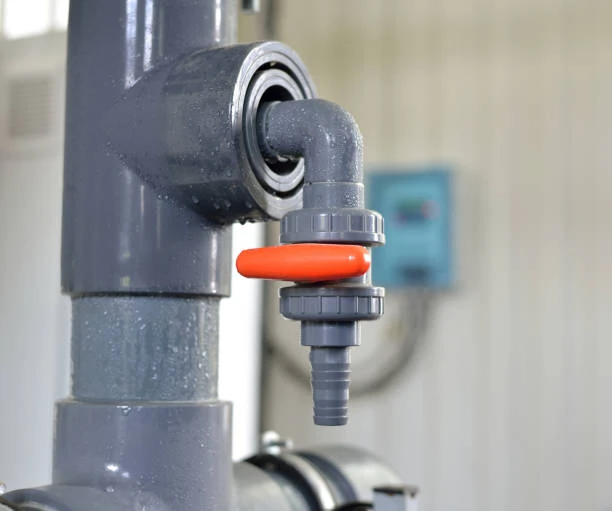
غراء أنابيب PVC, also known as solvent cement, is essential for creating permanent, watertight seals in PVC piping systems. This comprehensive guide explores how to use it correctly, its defining characteristics, common applications, and answers frequent user questions. Mastering its use ensures professional-grade results for both DIY enthusiasts and industry experts, making every plumbing project reliable and durable.
التعريف الأساسي والخصائص الرئيسية
People know PVC pipe glue as a solvent-based cement rather than a standard adhesive. It works by melting the surface layers of the PVC pipe and fitting. When you join the pieces together, the dissolved materials mix and solidify. This process forms a continuous, homogeneous piece of plastic. Essentially, the glue welds the components together chemically.
This product sets very quickly, allowing for efficient work progression. It also provides excellent resistance to water pressure and many chemicals. Most formulas include PVC resin to fill small gaps and ensure a perfect seal. Remember, this product works only with PVC materials. You need different cements for other plastics like CPVC or ABS. Always check the label to confirm compatibility for your specific project.
الاستخدامات الشائعة والصناعات التطبيقية
People use PVC solvent cement in many fields due to its strong bonding capabilities. In plumbing, it connects pipes for drain, waste, and vent systems. It also works well for cold water supply lines. Irrigation systems in agriculture and landscaping rely on it for assembling pipes that carry water to plants.
The construction industry uses it for various infrastructure projects, including sewer and stormwater management. Industrial applications include chemical processing lines where pipes carry non-corrosive fluids. Additionally, pool and spa installations use PVC cement for plumbing networks. DIY projects often involve this glue for building structures like greenhouses or repairing home plumbing.
Step-by-Step Guide to Using PVC Pipe Glue
First, ensure safety by working in a well-ventilated area and wearing protective gloves and glasses. Then, check that the pipe and fitting are clean and dry. Use a fine-grit sandpaper to roughen the outside of the pipe and the inside of the fitting. This step helps create a better bond. Afterwards, wipe away any dust with a clean cloth.
Next, apply a generous coat of primer to both surfaces. The primer cleans and softens the PVC, preparing it for the glue. Wait a few seconds for the primer to dry slightly. Then, apply a uniform layer of PVC glue to the pipe end and a lighter coat inside the fitting. Quickly insert the pipe into the fitting with a twisting motion to spread the glue evenly.
Hold the joint together for about 15 seconds to prevent pushing out. Wipe away any excess glue with a rag. Finally, allow the joint to cure according to the manufacturer’s instructions. Typically, you should wait at least two hours before pressurizing the system. For best results, avoid testing the joint immediately to ensure a complete chemical bond.
الأسئلة الشائعة
1. How long does PVC pipe glue take to dry?
Setting time is quick, usually within minutes. However, full curing takes longer. Wait at least two hours before handling the joint lightly. For pressure applications, wait 24 hours to ensure maximum strength and safety.
2. Can I use PVC glue without a primer?
Technically, yes, but professionals do not recommend it. Primer cleans the surface and softens the plastic, ensuring a stronger weld. Skipping primer may lead to leaks, especially in pressure systems. Always use primer for reliable results.
3. What is the difference between PVC glue for different pipe sizes?
Manufacturers often formulate glues for specific pipe diameters. Regular glue works for pipes up to 2 inches. For larger pipes, use a medium-bodied glue. For pipes over 6 inches, choose a heavy-bodied cement for better gap filling.
4. How should I store PVC solvent cement?
Store the container in a cool, dry place with the lid tightly sealed. Proper storage prevents evaporation of solvents, which can thicken the glue. If the glue becomes stringy or gel-like, discard it and use a fresh bottle.
5. What if I make a mistake while gluing?
If the glue hasn’t set yet, you can try to pull the pieces apart. However, this is often difficult. Usually, you must cut out the faulty section and start over. Always double-check measurements and dry-fit parts before applying glue.
خاتمة
In summary, using PVC pipe glue correctly is straightforward but requires attention to detail. This solvent cement creates chemical welds that are strong and reliable. Its uses span across plumbing, irrigation, and construction. By following the proper steps—cleaning, priming, gluing, and curing—you can achieve leak-free joints every time. Remember to prioritize safety and always follow the manufacturer’s guidelines for the best results. With this knowledge, your PVC projects will stand the test of time.
اتصل بـ IFAN للحصول على الكتالوجات والعينات
هل تحتاج إلى مستندات فنية أو كتالوجات أو نماذج منتجات؟ تواصل مع IFAN اليوم.
📧 البريد الإلكتروني: [email protected]
📱 واتساب: +86 19857948982
يستجيب فريقنا بسرعة ويوفر الدعم المهني لجميع احتياجات خط الأنابيب الخاص بك.
معيار IFAN الدولي
تلتزم أنظمة أنابيب IFAN بمجموعة واسعة من المعايير الدولية لضمان الجودة والأداء العالي. وتشمل هذه المعايير ASTM F1974 وASTM F1281 لأنظمة الأنابيب متعددة الطبقات، وCSA B137 لتطبيقات السباكة الكندية، وDIN 16836 للمواصفات الفنية الألمانية، وGB18997 للمعايير الصينية، وISO 21003، التي تغطي أنظمة الأنابيب متعددة الطبقات المستخدمة في تركيبات المياه الساخنة والباردة. ويؤكد هذا النطاق الواسع من الاعتمادات التزام IFAN بالامتثال العالمي وموثوقية المنتجات.























