


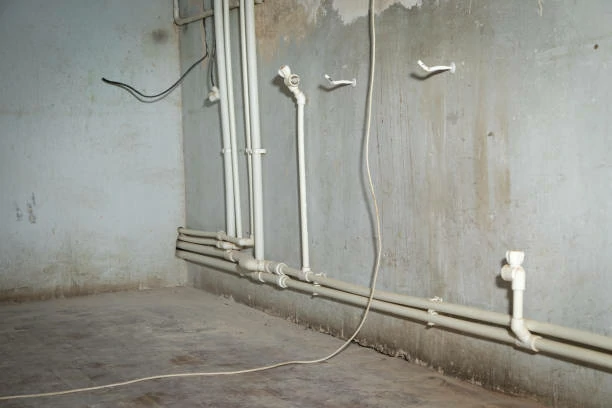
PPR (Polypropylene Random Copolymer) fittings play a crucial role in plumbing systems, offering durability, reliability, and resistance to various environmental factors. Among these factors, frost resistance stands out as a significant advantage, especially in regions with cold climates. The ability of PPR fittings to withstand freezing temperatures without cracking or breaking ensures the long-term functionality of plumbing systems, even under extreme conditions.
تكوين المواد
The frost resistance of PPR fittings primarily stems from the material’s unique composition. PPR, a type of thermoplastic, possesses a high molecular weight and a semi-crystalline structure. This structure provides excellent mechanical properties, such as flexibility and toughness, which are essential for resisting the stress caused by freezing and thawing cycles. Unlike some other materials, PPR does not become brittle at low temperatures, which prevents cracking when the water inside the pipes freezes and expands.
Flexibility and Elasticity
Flexibility plays a critical role in the frost resistance of PPR fittings. The elasticity of PPR allows it to absorb the expansion of frozen water without suffering damage. When water freezes, it expands by approximately 9%, which can create immense pressure inside pipes and fittings. PPR’s ability to flex under this pressure prevents rupture, a common issue with less flexible materials. This characteristic makes PPR fittings particularly suitable for outdoor plumbing systems or installations in unheated areas, where exposure to freezing temperatures is more likely.
ممارسات التثبيت
Proper installation practices also contribute to the frost resistance of PPR fittings. During installation, plumbers can take advantage of PPR’s fusion welding process, which creates a seamless connection between pipes and fittings. This method involves heating the surfaces to be joined and then pressing them together, resulting in a homogeneous bond. Unlike mechanical joints, which can weaken over time due to temperature fluctuations, fusion welding provides a durable, leak-proof connection that maintains its integrity even under freezing conditions.
Additionally, ensuring that pipes and fittings are well insulated can enhance frost resistance. Insulation minimizes heat loss, reducing the risk of water inside the pipes freezing. PPR’s thermal conductivity is relatively low compared to metals, which further aids in maintaining the temperature of the water flowing through the system.
Resistance to Low Temperatures
PPR fittings exhibit excellent performance in low-temperature environments. The material remains ductile down to temperatures as low as -20°C (-4°F), which is well below the freezing point of water. This property ensures that PPR fittings maintain their structural integrity and continue to function effectively even in sub-zero conditions. In contrast, materials like PVC can become brittle at these temperatures, leading to potential failures.
طول العمر والمتانة
The longevity of PPR fittings in cold climates directly relates to their frost resistance. The material’s resistance to cracking and breaking under freeze-thaw cycles extends the lifespan of plumbing systems, reducing the need for frequent repairs or replacements. This durability translates to cost savings for both homeowners and commercial property owners, as the risk of pipe bursts and water damage decreases significantly.
Moreover, PPR’s resistance to corrosion and chemical degradation contributes to its overall durability. Even in environments with harsh weather conditions or exposure to aggressive substances, PPR fittings maintain their performance. This makes them a preferred choice for a wide range of applications, from residential plumbing to industrial systems.
التأثير البيئي
The frost resistance of PPR fittings also has an environmental impact. By preventing pipe bursts and leaks, PPR fittings help conserve water, a valuable resource. Water loss due to plumbing failures is a significant issue, particularly in regions facing water scarcity. The reliability of PPR fittings in cold climates ensures that water supply systems remain intact, minimizing waste.
In addition, PPR is a recyclable material, which aligns with sustainability goals. At the end of their service life, PPR fittings can be collected, processed, and reintroduced into the manufacturing cycle. This reduces the demand for new raw materials and lowers the environmental footprint of plumbing systems.
كفاءة التكلفة
From an economic perspective, the frost resistance of PPR fittings offers significant cost benefits. Preventing plumbing failures due to freezing temperatures reduces maintenance and repair costs. Homeowners and businesses can avoid the expenses associated with water damage, such as repairs to walls, floors, and furnishings, as well as the costs of replacing damaged pipes and fittings.
Moreover, the installation of PPR fittings is straightforward, thanks to the fusion welding process. This method does not require complex tools or expensive equipment, making it a cost-effective option for both new installations and retrofits. The ease of installation also reduces labor costs, further contributing to the overall cost efficiency of PPR plumbing systems.
Applications in Cold Climates
PPR fittings are particularly well-suited for applications in cold climates. They are commonly used in outdoor plumbing systems, including water supply lines for gardens, irrigation systems, and external faucets. In these applications, the risk of freezing is high, making frost-resistant materials essential. PPR’s ability to withstand low temperatures without compromising performance ensures the reliability of these systems throughout the winter months.
In addition, PPR fittings are ideal for use in unheated areas of buildings, such as basements, garages, and attics. In these spaces, the ambient temperature can drop significantly during winter, increasing the likelihood of frozen pipes. PPR’s frost resistance provides peace of mind, knowing that the plumbing system will remain operational even in these challenging conditions.
IFAN PPR Pipe Fittings International Standard
IFAN’s PPR products adhere to a wide range of international standards, ensuring top-quality and reliable performance. These standards include the ISO 15874 Series, EN 15874 Series, ASTM F2389, DIN 8077/8078, GB/T 18742 Series, and NBR 15884. Compliance with these rigorous standards guarantees that IFAN PPR fittings and pipes meet global requirements for safety, durability, and efficiency in water supply systems. Whether for residential, commercial, or industrial applications, IFAN’s PPR products provide dependable solutions across various regions and regulatory environments.
خاتمة
The frost resistance of PPR fittings makes them an excellent choice for plumbing systems in regions with cold climates. Their unique material composition, flexibility, and resistance to low temperatures ensure that they can withstand the stresses of freezing and thawing cycles without suffering damage. Proper installation practices, combined with PPR’s inherent properties, contribute to the long-term durability and reliability of plumbing systems. In addition to these practical benefits, PPR fittings offer cost savings and environmental advantages, making them a sustainable and efficient option for both residential and commercial applications.
اتصال
إيفان شركة مُصنِّعة محترفة بخبرة 30 عامًا، تُكرِّس جهودها لإنتاج أنابيب ووصلات وصمامات بلاستيكية عالية الجودة. تشمل منتجاتنا صمامات نحاسية، وصمامات PPR، بالإضافة إلى مجموعة متنوعة من الأنابيب والوصلات لتلبية احتياجات العملاء المختلفة. سواءً كنتم بحاجة إلى أنابيب سباكة وصرف صحي أو منتجات صمامات، إيفان يمكننا توفير مجموعة متنوعة من المنتجات عالية الجودة والفعّالة من حيث التكلفة لدعم مشاريعكم. تجدون أدناه معلومات الاتصال بنا.
سوف نقوم بالرد على بريدك الإلكتروني أو الفاكس الخاص بك خلال 24 ساعة.
يمكنك الاتصال بنا في أي وقت إذا كان هناك أي سؤال حول إنتاجنا.
لمزيد من المعلومات، يرجى زيارة موقعنا على شبكة الإنترنت https://www.ifanplus.com/
يرجى إرسال بريد إلى: [email protected]
واتساب: +86 19857948982























