


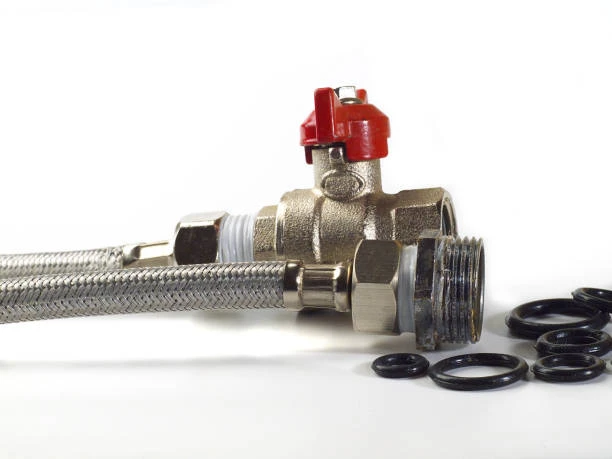
أنابيب مرنة plays a crucial role in various industries by transporting fluids, gases, and other materials. One of the most important characteristics of flexible tubing is its ability to adapt to different temperature ranges. The ability of the tubing to maintain its functionality across a wide temperature spectrum ensures the safety and efficiency of systems that rely on it. In this article, we will explore the temperature adaptability of flexible tubing, why it is essential, and how different materials perform under varying temperature conditions.
The Importance of Temperature Adaptability in Flexible Tubing
Temperature fluctuations can have a significant impact on the performance of flexible tubing. Tubing exposed to extreme temperatures can become brittle in cold environments or soften and lose its structural integrity in hot conditions. This can lead to leaks, system failures, and even hazardous situations. Temperature adaptability is essential because it allows flexible tubing to maintain its flexibility, strength, and overall functionality, regardless of the surrounding temperature.
Applications in industries like automotive, food processing, pharmaceuticals, and chemical manufacturing require tubing that can operate in a wide range of temperatures. Whether it’s a hot liquid flowing through a pipe or cold air circulating in a system, flexible tubing must retain its performance to ensure smooth operation and prevent accidents.
Materials and Their Temperature Adaptability
Flexible tubing is made from various materials, each offering different levels of temperature adaptability. The performance of each material depends on its ability to withstand both high and low temperatures without losing its strength, flexibility, or resistance to wear. Here are some of the most commonly used materials for flexible tubing and their temperature adaptability:
1. سيليكون
Silicone is one of the most temperature-resistant materials available for flexible tubing. It can handle a wide temperature range, typically from -100°F (-73°C) to 500°F (260°C). This broad range of temperature adaptability makes silicone tubing ideal for applications in the food and beverage industry, pharmaceuticals, and high-temperature environments. Silicone tubing remains flexible even in extreme heat and cold, making it an excellent choice for systems that require reliable performance across temperature variations.
2. بولي فينيل كلوريد (PVC)
PVC is a widely used material for flexible tubing due to its excellent balance of durability and cost-effectiveness. While PVC tubing has a more limited temperature range compared to silicone, it still offers good performance in moderate temperature conditions. PVC can typically withstand temperatures ranging from 32°F (0°C) to 140°F (60°C), making it suitable for general plumbing, irrigation, and HVAC applications. However, PVC becomes brittle at lower temperatures, and prolonged exposure to high heat can cause it to soften and lose its structural integrity.
3. Polyurethane (PU)
Polyurethane tubing exhibits good temperature adaptability, withstanding temperatures ranging from -40°F (-40°C) to 175°F (80°C). PU’s resilience to temperature changes makes it an ideal choice for applications in industries such as automotive, material handling, and fluid transfer. Its flexibility and durability at both high and low temperatures ensure that it performs well even in dynamic environments where the temperature frequently fluctuates.
4. Fluoropolymers (e.g., PTFE, PFA)
Fluoropolymer tubing, including PTFE (polytetrafluoroethylene) and PFA (perfluoroalkoxy), is well-known for its resistance to both extreme temperatures and aggressive chemicals. PTFE tubing can withstand temperatures ranging from -100°F (-73°C) to 500°F (260°C), while PFA can perform similarly. These materials remain flexible at high temperatures and retain their structural integrity even when exposed to freezing conditions. Fluoropolymers are commonly used in industries that deal with high-temperature chemicals, pharmaceuticals, and food processing, where temperature adaptability and chemical resistance are both crucial.
5. Polyethylene (PE)
Polyethylene, particularly high-density polyethylene (HDPE), offers good temperature adaptability within a moderate range. PE tubing can typically operate between 32°F (0°C) and 140°F (60°C). This material’s resistance to low temperatures makes it suitable for outdoor applications where freezing temperatures may be a concern. However, at elevated temperatures, PE can become softer and lose its shape, making it unsuitable for high-temperature environments. It is commonly used in water distribution and drainage systems where temperatures remain relatively stable.
6. Nitrile Rubber (NBR)
Nitrile rubber is another flexible material that performs well across a wide temperature range. It can handle temperatures from -40°F (-40°C) to 250°F (121°C), making it suitable for industrial and automotive applications. Nitrile rubber’s resistance to both high and low temperatures allows it to maintain its flexibility and strength, even when exposed to harsh conditions. This material is commonly used for fluid transfer and in environments where temperature extremes are frequent.
How Temperature Affects Flexible Tubing Performance
Temperature fluctuations can affect flexible tubing in several ways. Understanding these effects helps users choose the best tubing material for specific applications.
1. Cold Temperatures
At low temperatures, flexible tubing can become brittle and prone to cracking. Materials that do not have good low-temperature flexibility can lose their ability to bend, which can cause fractures and failures in the tubing. For example, PVC and polyethylene become brittle in freezing conditions, making them unsuitable for applications in extremely cold environments. Materials like silicone and fluoropolymers, on the other hand, remain flexible and durable even in sub-zero temperatures, ensuring that the tubing continues to perform safely.
2. High Temperatures
High temperatures can cause flexible tubing to soften and lose its shape. Materials like PVC, which are not designed for extreme heat, may start to soften and distort when exposed to high temperatures, leading to leaks or ruptures. Fluoropolymers, silicone, and polyurethane, however, retain their strength and flexibility even at high temperatures. These materials are often used in high-heat applications such as steam lines, industrial ovens, or in the automotive industry, where tubing must resist extreme conditions.
3. التمدد والانكماش الحراري
As temperatures change, flexible tubing may expand or contract. This thermal expansion and contraction can cause stress on the system, potentially leading to leaks or reduced performance. Materials with high thermal stability, like fluoropolymers, experience minimal expansion or contraction under temperature fluctuations. In contrast, materials like PVC may undergo significant changes in size, which can result in issues like leaks or reduced flow capacity.
خاتمة
Temperature adaptability is a crucial factor in determining the performance and longevity of flexible tubing. Tubing that can maintain its flexibility, strength, and structural integrity across a wide range of temperatures ensures safe and efficient operations. Different materials offer varying degrees of temperature adaptability, and selecting the right material depends on the specific requirements of the application.
Silicone, fluoropolymers, polyurethane, and nitrile rubber offer excellent temperature resistance, making them suitable for extreme conditions. Materials like PVC and polyethylene are better suited for moderate temperature ranges but may not perform well in high-heat or cold environments.
Choosing flexible tubing with the right temperature adaptability prevents costly failures and ensures that systems continue to function efficiently, even in challenging environmental conditions. By understanding the temperature tolerance of different materials, industries can select the most suitable tubing for their applications, enhancing safety, reliability, and overall system performance.
معيار IFAN الدولي
تشمل معايير IFAN مجموعة من الشهادات والمواصفات الدولية، مثل ASTM 2846، وDIN 8079/8080، وASTM F441/F441M SCH80، وDIN، وسلسلة GB/T 18993، وAS/NZS 1477، وCSA B137.6، وNSF/ANSI 14، وTIS 17-2532/1131-2535، وغيرها. تضمن هذه المعايير جودة المنتجات وسلامتها وموثوقيتها، بما يتوافق مع متطلبات التصنيع والأداء العالمية. ومن خلال الالتزام بهذه المعايير، تضمن IFAN أن تلبي منتجاتها معايير الصناعة الصارمة، مما يضمن رضا العملاء والامتثال للإرشادات التنظيمية في مختلف المناطق.
اتصال
IFAN شركة تصنيع محترفة بخبرة 30 عامًا، متخصصة في إنتاج الأنابيب والوصلات والصمامات البلاستيكية عالية الجودة. تشمل منتجاتنا صمامات النحاس، وصمامات البولي بروبيلين (PPR)، بالإضافة إلى مجموعة متنوعة من الأنابيب والوصلات لتلبية احتياجات العملاء المختلفة. سواءً كنتم بحاجة إلى أنابيب السباكة والصرف الصحي أو منتجات الصمامات، فإن IFAN قادرة على توفير مجموعة متنوعة من المنتجات عالية الجودة وبأسعار معقولة لدعم مشاريعكم. تجدون أدناه معلومات الاتصال بنا.
سوف نقوم بالرد على بريدك الإلكتروني أو الفاكس الخاص بك خلال 24 ساعة.
يمكنك الاتصال بنا في أي وقت إذا كان هناك أي سؤال حول إنتاجنا.
لمزيد من المعلومات، يرجى زيارة موقعنا على شبكة الإنترنت https://www.ifanplus.com/
يرجى إرسال بريد إلى: [email protected]
واتساب: +86 19857948982























