


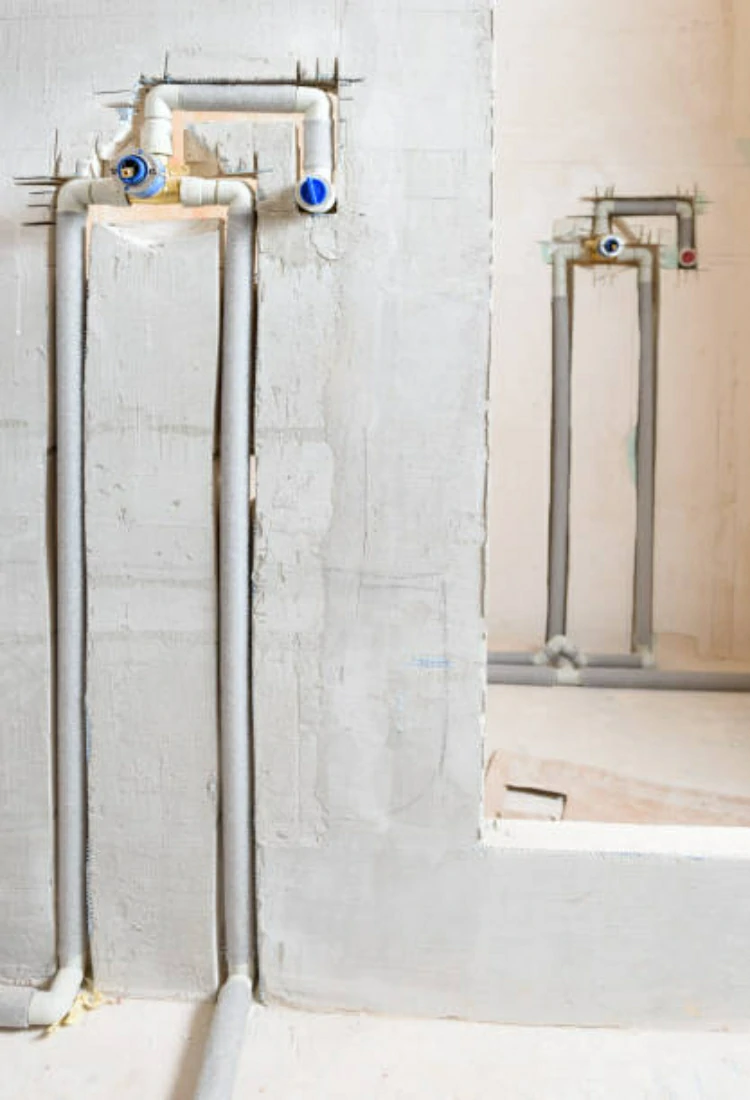
PPR pipes, abbreviated from Polypropylene Random Copolymer pipes, undergo a meticulous production process to ensure high quality and reliability. Let’s delve into the intricate details of crafting PPR pipes, from the raw materials to the finished product.
اختيار المواد الخام
The production of PPR pipes starts with carefully selecting raw materials. Manufacturers choose high-quality Polypropylene Random Copolymer resin for its excellent mechanical properties, chemical resistance, and heat stability. Before further processing, the raw material undergoes thorough testing and quality checks to ensure consistency and purity.
عملية البلمرة
In the manufacturing of PPR pipes, the raw Polypropylene Random Copolymer resin undergoes a polymerization process to create the polymer matrix essential for the pipes. During polymerization, controlled conditions, usually involving high temperature and pressure, combine monomers to form long molecular chains. This process yields the desired properties of the polymer, including strength, flexibility, and resistance to heat and chemicals.
Extrusion and Molding
Upon obtaining the polymer matrix, it undergoes extrusion molding to shape it into the desired pipe form. During this process, the molten polymer is forced through a die of the desired shape and size. As it traverses the die, it cools and solidifies, thus forming the PPR pipe. Various techniques, such as co-extrusion and multilayer extrusion, enable the creation of pipes with specific properties, such as enhanced durability or UV resistance.
مراقبة الجودة والاختبار
During the production process, manufacturers enforce strict quality control measures to guarantee that PPR pipes conform to the required standards and specifications. Samples from every batch of pipes undergo rigorous testing for parameters like dimensional accuracy, mechanical strength, chemical resistance, and overall performance. Any pipes that do not meet the specified criteria are discarded, ensuring that only high-quality products are available in the market.
Finishing and Packaging
Once the PPR pipes pass the quality control tests, they undergo finishing processes such as cutting, shaping, and marking to prepare them for use. The pipes are then carefully packaged to protect them from damage during transportation and storage. Packaging may include bundling, wrapping, or boxing, depending on the size and quantity of the pipes.
خاتمة
The production of PPR pipes involves a series of precise steps, from raw material selection to final packaging, to ensure the highest quality and performance standards. By understanding the intricacies of the production process, consumers can have confidence in the reliability and durability of PPR pipes for various plumbing applications.
اتصال
إيفان شركة مُصنِّعة محترفة بخبرة 30 عامًا، تُكرِّس جهودها لإنتاج أنابيب ووصلات وصمامات بلاستيكية عالية الجودة. تشمل منتجاتنا صمامات نحاسية، وصمامات PPR، بالإضافة إلى مجموعة متنوعة من الأنابيب والوصلات لتلبية احتياجات العملاء المختلفة. سواءً كنتم بحاجة إلى أنابيب سباكة وصرف صحي أو منتجات صمامات، إيفان يمكننا توفير مجموعة متنوعة من المنتجات عالية الجودة والفعّالة من حيث التكلفة لدعم مشاريعكم. تجدون أدناه معلومات الاتصال بنا.
سوف نقوم بالرد على بريدك الإلكتروني أو الفاكس الخاص بك خلال 24 ساعة.
يمكنك الاتصال بنا في أي وقت إذا كان هناك أي سؤال حول إنتاجنا.
لمزيد من المعلومات، يرجى زيارة موقعنا على شبكة الإنترنت https://www.ifanplus.com/
يرجى إرسال بريد إلى: [email protected]























