


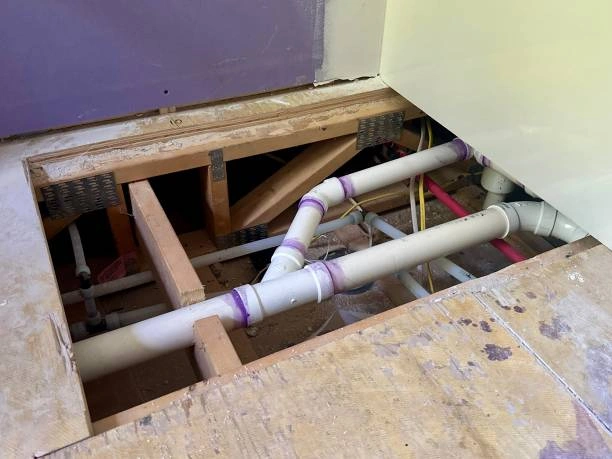
1. Introduction to PVC and CPVC
PVC stands for polyvinyl chloride. It is a common plastic used in plumbing and construction. CPVC stands for chlorinated polyvinyl chloride. It is a modified version of PVC with added chlorine. Both materials look similar but perform differently. People often use PVC for cold water systems. CPVC handles both hot and cold water systems. Understanding their properties helps choose the right material. Each has its strengths and weaknesses. PVC costs less and installs easily. CPVC withstands higher temperatures. Both are lightweight, durable, and corrosion-resistant. However, their chemical structures differ. That small difference impacts how they function. Builders, plumbers, and homeowners must know when to use each. Choosing correctly prevents system failure. This article compares PVC and CPVC in detail. We explain the differences clearly. We cover material composition, temperature resistance, cost, and more. You will find examples for each use. After reading, you will know which to use. Making informed decisions improves safety and efficiency.
2. Chemical Composition and Manufacturing Differences
PVC and CPVC come from the same base: vinyl chloride. However, CPVC goes through extra chlorination. Manufacturers add chlorine using a free radical process. That change improves temperature resistance and chemical stability. PVC has about 56% chlorine content. CPVC contains about 63-74% chlorine. This small difference causes major property changes. CPVC becomes more flexible and heat-resistant. PVC remains rigid and works best in cool environments. Both are thermoplastics. You can melt and remold them during production. Additives like stabilizers, lubricants, and pigments change performance. CPVC needs stronger stabilizers for high heat. The added chlorine increases fire resistance. CPVC also resists acid corrosion better than PVC. These changes help CPVC work in hot water lines. PVC, in contrast, works better in drainage and vent systems. In summary, PVC suits light-duty applications. CPVC fits high-performance requirements. Knowing the chemical difference guides smart selection. Chemical structure defines usage, not just appearance.
3. Temperature and Pressure Ratings
Temperature tolerance sets PVC and CPVC apart. PVC handles up to 140°F (60°C). CPVC tolerates up to 200°F (93°C). That makes CPVC ideal for hot water systems. PVC warps or leaks at high temperatures. CPVC remains strong and safe. Pressure rating also depends on temperature. For example, CPVC holds 100 psi at 180°F. At the same temperature, PVC weakens and fails. This matters in residential and commercial plumbing. Homes often need hot water above 140°F. Hospitals and factories use even hotter systems. CPVC meets those demands safely. In contrast, PVC works fine in irrigation or drain lines. It fits pool systems and low-pressure systems. Never substitute PVC for CPVC in hot water lines. The material could fail and cause damage. Always check the temperature and pressure charts. Manufacturers provide detailed guidelines. Proper use ensures long-lasting performance. Misuse risks leaks, bursts, or contamination. Make choices based on actual operating conditions.
4. Installation Methods and Tools Required
Both PVC and CPVC install using similar techniques. Cut the pipe with a saw or pipe cutter. Clean the ends before joining. Use primer and solvent cement to make joints. However, CPVC requires special CPVC cement. Do not use PVC cement on CPVC pipes. It won’t create a strong bond. Each pipe type has its own solvent formula. The joining process takes only a few minutes. Let the cement cure before using the pipe. PVC and CPVC both support easy DIY installation. Their light weight allows single-person handling. Use standard pipe brackets for mounting. Keep the pipes supported every 3-4 feet. Always measure and cut accurately. Use a deburring tool for clean edges. Improper cuts can cause weak joints. Follow manufacturer instructions for best results. CPVC needs more curing time at low temperatures. PVC cures faster but fails under high heat. For hot water, always install CPVC. Label pipes clearly during mixed-material jobs. Avoid confusion in complex systems. Proper installation ensures leak-free performance.
5. Cost Comparison and Long-Term Value
PVC generally costs less than CPVC. You can buy PVC pipes at around $0.50 per foot. CPVC may cost up to $1.00 per foot. The price difference reflects the added chlorine and heat resistance. However, long-term value matters more than initial price. CPVC saves money in hot water systems. It prevents leaks, bursts, and damage. These failures cost more than material price. In cold water or drainage systems, PVC is a smart choice. It performs well and keeps costs low. CPVC also lasts longer in chemical-heavy environments. Factories or hospitals benefit from its durability. Consider installation labor too. Both materials install quickly. No special training is required. But if you mix materials, you may pay extra. Some systems need CPVC for part of the job. Always compare lifetime costs, not just purchase price. Think about maintenance, failure risk, and replacement costs. A well-chosen material prevents future problems. Save today, but plan for tomorrow.
6. Applications in Plumbing and Construction
PVC works best in cold water, waste, and vent systems. It also suits outdoor irrigation and rainwater drainage. Many homes use PVC for sewage pipes. It performs well under low pressure. CPVC excels in hot water delivery. Homes, hotels, and hospitals rely on CPVC for safety. It withstands high temperatures without leaking. You’ll also find CPVC in fire sprinkler systems. Its pressure and heat resistance meet safety codes. Chemical plants use CPVC for aggressive liquids. It handles strong acids and solvents. PVC fails in such cases. Builders choose PVC for underground drains. Its stiffness helps it hold shape under soil. CPVC offers better performance indoors. It resists bacteria growth in potable water lines. For solar heaters, always use CPVC. It survives the extreme heat. In summary, PVC works for simple, cool systems. CPVC handles complex, high-temperature jobs. Choose based on system requirements. Wrong material leads to quick failure. Proper matching ensures safe, long-lasting performance.
7. Safety, Code Compliance, and Health Considerations
Both PVC and CPVC meet many safety codes. Still, check your local plumbing code before use. CPVC often appears in residential plumbing code books. PVC appears more in commercial and industrial codes. CPVC meets NSF standards for potable water. It does not leach harmful substances at high heat. PVC may not qualify for drinking water in hot systems. It softens and could release compounds. Always verify pipe certification. Look for labels like NSF-61 or ASTM F441 for CPVC. PVC labels include ASTM D1785. CPVC also complies with fire safety codes. It has a higher ignition point than PVC. Many fire sprinkler codes require CPVC. Never burn or overheat either pipe. Burning PVC releases toxic fumes. Use proper ventilation during installation. Wear gloves and eye protection. Solvent fumes can irritate skin and lungs. In sensitive projects like hospitals, CPVC offers better health assurance. Safer systems protect users and workers alike. Don’t ignore safety for cost savings. Choose responsibly.
8. Summary: Making the Right Choice
PVC and CPVC look alike but function differently. PVC suits cold water and drainage. CPVC handles heat and pressure better. Choose based on real system needs. Consider chemical exposure, water temperature, and safety codes. For outdoor sprinklers, go with PVC. For indoor hot water, pick CPVC. If budget matters most, PVC saves money short-term. But CPVC may save money in the long run. Both install easily and require similar tools. Always follow manufacturer guidelines. Don’t mix materials without clear labeling. Mistakes lead to costly repairs. Use the correct cement for each type. Avoid using PVC cement on CPVC joints. Know your local building codes. Some regions ban PVC for certain uses. Others prefer CPVC for safety. Health, temperature, and pressure matter more than cost alone. A smart choice reduces future headaches. Now you know the key differences. Use this guide when choosing pipes. Your decision impacts safety, durability, and cost. Choose wisely.
نظرة عامة على معايير منتجات IFAN
تُصنّع شركة IFAN منتجاتها وفقًا للمعايير الدولية والإقليمية لتلبية مختلف متطلبات السوق. تتوافق منتجاتنا مع مواصفات ISO 15874، وEN 15874، وASTM F2389، وDIN 8077/8078، وGB/T 18742، وNBR 15884 لأنظمة PPR. كما نلتزم بمعايير ISO 15494، وEN ISO 15494، وGB/T 19472، وNBR 15494 لتطبيقات الأنابيب الصناعية. وتُطبّق معايير ASTM D1785 SCH40/SCH80، وDIN 8061/8062، وISO 1452، وAS/NZS 1477، وNSF/ANSI 14 على أنظمة PVC لدينا. بالنسبة لأنابيب البولي إيثيلين عالي الكثافة والغاز، نلتزم بمعايير ISO 4437، وEN 12201، وASTM D2513، وASTM D3035، وGB/T 13663. أما أنابيب الفولاذ المقاوم للصدأ والأنابيب المركبة، فتتوافق مع معايير ASTM A312، وISO 10380، وASTM F1974، وISO 21003. ومن المعايير الأخرى المدعومة CSA B137، وBS 7291، وJIS K6741، وTIS 17-2532/1131-2535. تضمن IFAN جودة موثوقة وتوافقًا عاليًا من خلال استيفائها لهذه المواصفات المعترف بها عالميًا.
اتصال
IFAN شركة تصنيع محترفة بخبرة 30 عامًا، متخصصة في إنتاج الأنابيب والوصلات والصمامات البلاستيكية عالية الجودة. تشمل منتجاتنا صمامات النحاس، وصمامات البولي بروبيلين (PPR)، بالإضافة إلى مجموعة متنوعة من الأنابيب والوصلات لتلبية احتياجات العملاء المختلفة. سواءً كنتم بحاجة إلى أنابيب السباكة والصرف الصحي أو منتجات الصمامات، فإن IFAN قادرة على توفير مجموعة متنوعة من المنتجات عالية الجودة وبأسعار معقولة لدعم مشاريعكم. تجدون أدناه معلومات الاتصال بنا.
سوف نقوم بالرد على بريدك الإلكتروني أو الفاكس الخاص بك خلال 24 ساعة.
يمكنك الاتصال بنا في أي وقت إذا كان هناك أي سؤال حول إنتاجنا.
لمزيد من المعلومات، يرجى زيارة موقعنا على شبكة الإنترنت https://www.ifanplus.com/
يرجى إرسال بريد إلى: [email protected]
واتساب: +86 19857948982























