


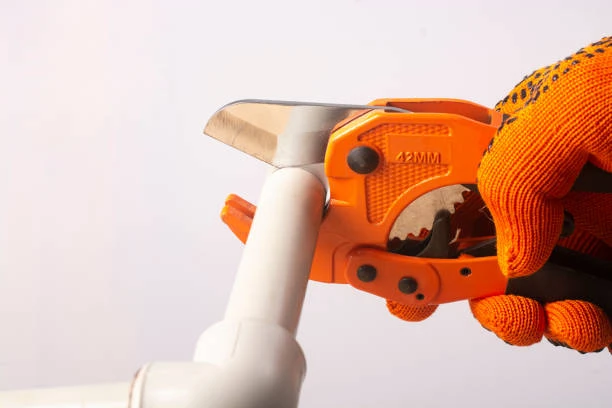
The choice of materials in a قاطع الأنابيب determines its durability, cutting efficiency, safety, and overall user experience. Engineers and designers must consider a variety of factors when selecting materials for the blade, frame, handle, and other components of a tube cutter. These factors include the hardness and sharpness of the blade, the strength and weight of the frame, and the grip and comfort of the handle. This article explores the different materials used in tube cutter design and their respective benefits.
Blade Materials
The blade is the most crucial part of a tube cutter, as it directly impacts cutting efficiency and precision. For the blade, manufacturers commonly use high-carbon steel, stainless steel, tungsten carbide, or cobalt alloys, each offering unique advantages.
High-Carbon Steel
High-carbon steel is one of the most widely used materials for tube cutter blades due to its hardness and ability to hold a sharp edge. It offers excellent wear resistance, making it ideal for cutting tougher materials such as metal pipes or thick plastic tubing. High-carbon steel blades can be heat-treated to enhance hardness and ensure long-lasting sharpness. However, this material can be susceptible to corrosion if not properly coated or maintained.
الفولاذ المقاوم للصدأ
Stainless steel is another popular blade material because of its corrosion resistance, which is crucial for tube cutters used in environments with moisture or corrosive elements. While not as hard as high-carbon steel, stainless steel provides a good balance between toughness and durability. It is also more resistant to staining and pitting, which can be a problem with high-carbon steel when exposed to harsh conditions.
Tungsten Carbide
Tungsten carbide blades are known for their extreme hardness and ability to maintain sharpness even under heavy use. This material is ideal for cutting hard metals and thick-walled pipes, where other materials may lose their edge. Tungsten carbide is significantly harder than steel and resists wear and tear, which extends the tool’s lifespan. However, tungsten carbide blades tend to be more expensive and require more careful handling due to their brittleness.
Cobalt Alloys
Cobalt alloys combine the hardness of tungsten carbide with the toughness of steel. These blades are especially useful for cutting through hard, thick materials while retaining sharpness over time. Cobalt alloys also offer excellent heat resistance, which makes them suitable for high-temperature environments. While cobalt alloys provide superior durability, they are generally more expensive than other materials like high-carbon steel or stainless steel.
Frame Materials
The frame of a tube cutter supports all components, and its material determines the tool’s weight, strength, and overall longevity. The frame must be strong enough to withstand the force exerted during cutting while remaining lightweight and portable. Common frame materials include aluminum alloys, stainless steel, plastic composites, and reinforced fiberglass.
Aluminum Alloys
Aluminum alloys are lightweight yet strong, making them an excellent choice for tube cutter frames.Additionally, aluminum is resistant to corrosion, which is essential for tools used in moist or outdoor environments. The material can be anodized for additional corrosion protection, which further enhances its durability.
الفولاذ المقاوم للصدأ
Stainless steel frames offer superior strength and durability. These frames resist rust, corrosion, and other environmental factors, making them ideal for heavy-duty or industrial applications. Stainless steel frames are commonly found in high-end tube cutters, where strength is a priority. While stainless steel frames are heavier than aluminum, their toughness ensures long-term reliability and performance, particularly in demanding cutting tasks.
Plastic Composites
Plastic composites, such as fiberglass-reinforced nylon or polycarbonate, are sometimes used for tube cutter frames. These materials are lightweight, cost-effective, and resistant to corrosion, making them ideal for budget-friendly models. While plastic composites may not offer the same level of strength as metal frames, they are sufficient for light-duty applications and provide ease of use. They also contribute to a lower overall tool weight, which can be advantageous for users who need portability.
Reinforced Fiberglass
Reinforced fiberglass frames offer a balance between strength and lightweight construction. Fiberglass is resistant to impact, corrosion, and temperature changes, making it a durable choice for tube cutters used in various environments. Designers often use reinforced fiberglass in industrial-grade tube cutters, where they need strength and toughness while keeping weight manageable. Manufacturers commonly incorporate this material into specialty tube cutters designed for heavy-duty applications.
Handle Materials
The handle of a tube cutter plays a critical role in user comfort and safety. A well-designed handle provides a secure grip, reduces hand fatigue, and minimizes the risk of slipping, especially when the user is working in wet or oily conditions. Materials used for handles include rubber, silicone, plastic, and metals.
ممحاة
Manufacturers use rubber as one of the most common materials for tube cutter handles. Its high friction coefficient provides a secure grip, even in challenging conditions. Designers often shape rubber handles ergonomically to fit the natural contours of the hand, reducing hand strain during extended use. Additionally, rubber remains soft and comfortable, preventing blisters and discomfort. To enhance durability and resistance to wear, manufacturers often choose thermoplastic rubber (TPR) or thermoset rubber.
سيليكون
Silicone is another material often used for handle grips. It offers a soft, flexible surface that provides excellent comfort and grip. Silicone handles are resistant to heat, chemicals, and UV rays, making them suitable for a wide range of working environments. Silicone also retains its grip even in wet conditions, which is particularly useful when working with plumbing tools.
بلاستيك
Plastic handles are commonly found in lower-cost tube cutters. They are lightweight and can be molded into various shapes to improve grip. Plastic handles often feature textured surfaces or rubberized coatings to increase grip and prevent slipping. While plastic is durable, it may not provide the same level of comfort or shock absorption as rubber or silicone.
Metals
For industrial-grade tube cutters, metal handles made from materials such as steel or aluminum may be used. These handles offer excellent strength and durability, but they can become slippery when wet. To improve grip, manufacturers may coat metal handles with a rubberized or textured finish.
Other Components
Several other components of a tube cutter require careful material selection to ensure proper function. These include the springs, locking mechanisms, and clamps.
Springs
Springs are used to provide tension and ensure smooth operation of the cutter. Manufacturers typically use high-carbon steel or stainless steel for the springs, as these materials offer a good balance of strength, flexibility, and resistance to corrosion. Stainless steel springs are particularly valuable in environments exposed to moisture.
آليات القفل
The locking mechanism of a tube cutter keeps the blade securely in place when not in use. These mechanisms are typically made from hardened steel or other strong, durable metals to prevent wear and ensure smooth operation. Some advanced locking mechanisms incorporate plastic components to reduce weight and enhance ease of use.
Clamps
Clamps help secure the tube during cutting, ensuring accurate and consistent cuts. These clamps are often made from aluminum, steel, or reinforced plastic. The material must be strong enough to hold the tube in place without damaging it.
خاتمة
The choice of materials in a tube cutter directly affects the tool’s performance, durability, and user experience. From the blade’s sharpness and longevity to the handle’s comfort and the frame’s strength, each material serves a specific purpose in ensuring the cutter’s effectiveness. By selecting the right materials, manufacturers can create tube cutters that are efficient, durable, and comfortable to use across a range of applications. As technology continues to evolve, designers may discover new materials and manufacturing techniques that enhance the performance and value of tube cutters even further.
أفضل موردي قواطع الأنابيب
| اسم الشركة | المقر الرئيسي/الموقع | سنة التأسيس |
| إيفان | تشوجي، الصين | 1993 |
| شركة سيلانيز | إيرفينغ، تكساس، في الولايات المتحدة | 1921 |
| داو | ميدلاند، ميشيغان، في الولايات المتحدة | 1897 |
| جيه إم إيجل | ليفينغستون، نيوجيرسي | 1982 |
| شركة كريسلاين للأنابيب البلاستيكية | ميكانيكسبيرج، بنسلفانيا، مجلس بلوفس، أيوا، كورسيكانا، تكساس | 1949 |
معيار IFAN الدولي
تتوافق منتجات IFAN مع مجموعة من المعايير المعترف بها دوليًا، مما يضمن الجودة والأداء في مختلف التطبيقات. تشمل هذه المعايير سلسلة معايير ISO 15874 التي تحدد مواصفات أنظمة الأنابيب البلاستيكية؛ وسلسلة معايير EN 15874 التي تغطي متطلبات أنابيب ووصلات البولي إيثيلين (PE) في أنظمة توزيع المياه؛ وASTM F2389 التي تحدد معايير أنظمة أنابيب البولي إيثيلين المتشابك (PEX)؛ وDIN 8077/8078 التي تتناول أبعاد واختبار الأنابيب البلاستيكية؛ وسلسلة معايير GB/T 18742، وهي المعايير الوطنية الصينية للأنابيب ووصلات البلاستيك؛ وNBR 15884، وهو معيار برازيلي لأنظمة أنابيب البولي إيثيلين والـ PEX. تُثبت هذه الشهادات التزام IFAN بتوفير منتجات موثوقة وعالية الجودة تتوافق مع معايير الصناعة العالمية.
اتصال
IFAN شركة تصنيع محترفة بخبرة 30 عامًا، متخصصة في إنتاج الأنابيب والوصلات والصمامات البلاستيكية عالية الجودة. تشمل منتجاتنا صمامات النحاس، وصمامات البولي بروبيلين (PPR)، بالإضافة إلى مجموعة متنوعة من الأنابيب والوصلات لتلبية احتياجات العملاء المختلفة. سواءً كنتم بحاجة إلى أنابيب السباكة والصرف الصحي أو منتجات الصمامات، فإن IFAN قادرة على توفير مجموعة متنوعة من المنتجات عالية الجودة وبأسعار معقولة لدعم مشاريعكم. تجدون أدناه معلومات الاتصال بنا.
سوف نقوم بالرد على بريدك الإلكتروني أو الفاكس الخاص بك خلال 24 ساعة.
يمكنك الاتصال بنا في أي وقت إذا كان هناك أي سؤال حول إنتاجنا.
لمزيد من المعلومات، يرجى زيارة موقعنا على شبكة الإنترنت https://www.ifanplus.com/
يرجى إرسال بريد إلى: [email protected]
واتساب: +86 19857948982























