


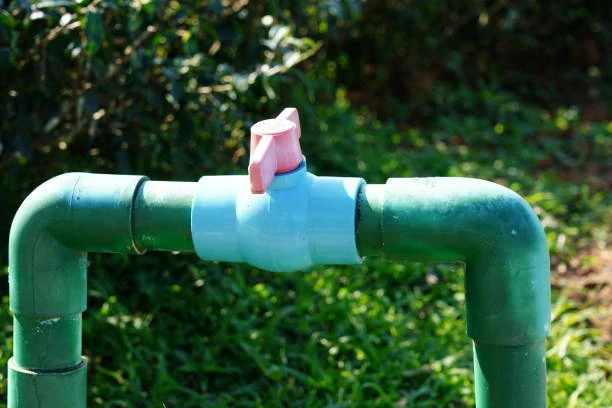
PVC ball valves play a critical role in modern plumbing and industrial systems, offering a reliable solution for controlling the flow of liquids and gases. The choice of material significantly influences the performance, durability, and cost-effectiveness of these valves. PVC, or polyvinyl chloride, stands out as the primary material in their construction, contributing to their widespread use across various applications.
Understanding PVC: The Core Material
Polyvinyl chloride (PVC) serves as the foundational material for PVC ball valves. This thermoplastic polymer results from the polymerization of vinyl chloride monomers, forming a versatile and durable plastic. PVC’s popularity stems from its balance of strength, flexibility, and resistance to environmental factors, making it suitable for a wide range of applications.
PVC’s chemical structure consists of carbon, hydrogen, and chlorine atoms, which contribute to its unique properties. The presence of chlorine enhances the material’s resistance to fire and chemical degradation. PVC can also be modified with various additives to enhance specific properties, such as flexibility, UV resistance, or impact strength, depending on the intended application.
Advantages of PVC as a Valve Material
The use of PVC in ball valves offers several key advantages that make it a preferred choice in many industries:
- مقاومة التآكل: PVC exhibits excellent resistance to corrosion, making it ideal for use in environments where metal valves would deteriorate quickly. This resistance extends to various chemicals, including acids, bases, and salts, allowing PVC ball valves to function reliably in harsh chemical environments.
- خفيف الوزن: PVC’s lightweight nature simplifies the installation and handling of PVC ball valves. The reduced weight lessens the physical strain on workers during installation and decreases transportation costs. This characteristic also contributes to the overall efficiency of the system by reducing stress on piping and support structures.
- متانة: Despite its lightweight nature, PVC offers impressive durability. The material withstands impact and pressure, ensuring a long service life for the valves. This durability, combined with its resistance to environmental factors, means that PVC ball valves require less frequent maintenance and replacement, leading to cost savings over time.
- فعالية التكلفة: PVC provides an economical alternative to metal valves. The lower cost of raw materials, combined with the ease of manufacturing, makes PVC ball valves an affordable option for a variety of applications. Their longevity and low maintenance requirements further enhance their cost-effectiveness.
- التأثير البيئي: PVC has a lower environmental impact compared to many other materials. The production process consumes less energy, and the material itself is recyclable. Additionally, the long lifespan of PVC ball valves reduces the need for frequent replacements, thereby decreasing waste.
Components of a PVC Ball Valve
A typical PVC ball valve comprises several key components, each made from materials that complement the properties of PVC:
- جسم: The main body of the valve consists of PVC, which provides the overall structure and houses the internal components. The body’s design may vary depending on the specific application, with options for two-piece, three-piece, or union-style configurations.
- Ball: The ball inside the valve, responsible for controlling the flow, often uses PVC or a similar thermoplastic material. The ball features a hollow center, allowing fluid to pass through when aligned with the valve’s inlet and outlet ports. The smooth surface of the PVC ball ensures minimal friction and wear during operation, contributing to the valve’s durability.
- Seats: The seats, which create a seal between the ball and the valve body, typically use a material like PTFE (polytetrafluoroethylene), also known as Teflon. PTFE offers excellent chemical resistance and low friction, ensuring a tight seal and smooth operation of the valve.
- ينبع: The stem connects the ball to the handle or actuator, allowing for the manual or automated control of the valve. The stem may consist of PVC or metal, depending on the application’s requirements. A PVC stem offers corrosion resistance and compatibility with the valve body, while a metal stem can provide added strength for more demanding applications.
- مقبض: The handle, used to operate the valve, often consists of PVC or another durable plastic. In some cases, metal handles may be used, particularly in industrial settings where greater force may be required to operate the valve.
- O-Rings and Seals: O-rings and seals, typically made from elastomeric materials like EPDM (ethylene propylene diene monomer) or Viton, provide additional sealing to prevent leaks. These materials offer compatibility with a wide range of chemicals and temperatures, ensuring the valve functions reliably under various conditions.
Applications of PVC Ball Valves
The material composition of PVC ball valves makes them suitable for a wide range of applications across different industries:
- السباكة السكنية: In residential settings, PVC ball valves control water flow in plumbing systems. Their corrosion resistance, lightweight nature, and affordability make them an ideal choice for household use, where reliability and ease of installation are crucial.
- الري الزراعي: PVC ball valves regulate water flow in agricultural irrigation systems. Their chemical resistance and durability ensure they perform well in environments exposed to fertilizers and other agricultural chemicals.
- المعالجة الكيميائية: In the chemical industry, PVC ball valves handle the flow of corrosive substances. The chemical resistance of PVC, combined with the use of PTFE seats and seals, allows these valves to function reliably in aggressive environments.
- معالجة المياه: Water treatment facilities use PVC ball valves to manage the flow of water and chemicals during the treatment process. The material’s resistance to chlorine and other disinfectants makes it particularly suitable for this application.
- Aquariums and Aquaculture: PVC ball valves find use in aquariums and aquaculture systems, where they control the flow of water and oxygen. The material’s non-toxic nature ensures it does not harm aquatic life, while its resistance to saltwater corrosion makes it ideal for marine environments.
خاتمة
The material composition of PVC ball valves plays a crucial role in their widespread adoption across various industries. PVC, with its unique combination of properties, provides a lightweight, durable, and cost-effective solution for fluid control. PVC ball valves resist corrosion and chemicals, making them ideal for residential plumbing and industrial chemical processing. Understanding the material advantages and components of PVC ball valves helps users choose the right applications. This ensures long-term performance and reliability in various systems.
اتصال
إيفان شركة مُصنِّعة محترفة بخبرة 30 عامًا، تُكرِّس جهودها لإنتاج أنابيب ووصلات وصمامات بلاستيكية عالية الجودة. تشمل منتجاتنا صمامات نحاسية، وصمامات PPR، بالإضافة إلى مجموعة متنوعة من الأنابيب والوصلات لتلبية احتياجات العملاء المختلفة. سواءً كنتم بحاجة إلى أنابيب سباكة وصرف صحي أو منتجات صمامات، إيفان يمكننا توفير مجموعة متنوعة من المنتجات عالية الجودة والفعّالة من حيث التكلفة لدعم مشاريعكم. تجدون أدناه معلومات الاتصال بنا.
سوف نقوم بالرد على بريدك الإلكتروني أو الفاكس الخاص بك خلال 24 ساعة.
يمكنك الاتصال بنا في أي وقت إذا كان هناك أي سؤال حول إنتاجنا.
لمزيد من المعلومات، يرجى زيارة موقعنا على شبكة الإنترنت https://www.ifanplus.com/
يرجى إرسال بريد إلى: [email protected]
واتساب: +86 19857948982























