


مقدمة
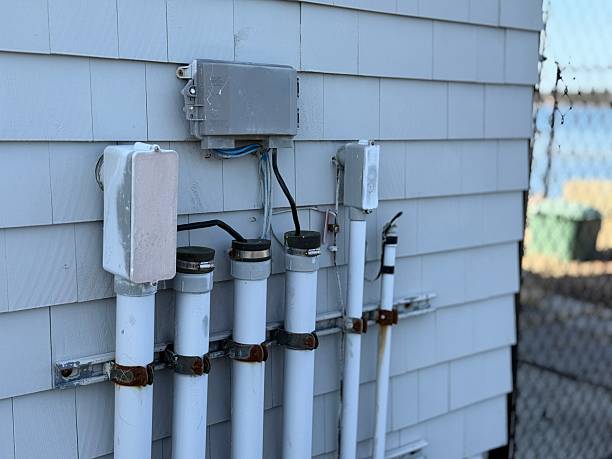
PVC plastic pipes مقدمة: أصبحت أنابيب PVC البلاستيكية حجر الزاوية في البنية التحتية الحديثة. فتعدد استخداماتها ومتانتها وفعاليتها من حيث التكلفة تجعلها أساسية في قطاعات متعددة، بما في ذلك البناء والزراعة وإمدادات المياه وأنظمة الصرف الصحي والتطبيقات الصناعية. ويشهد الطلب على أنابيب PVC البلاستيكية نموًا مستمرًا في السوق، مدفوعًا بالتوسع الحضري السريع والنمو السكاني والحاجة إلى أنظمة سباكة وصرف صحي حديثة.
What Are PVC Plastic Pipes?
PVC stands for Polyvinyl Chloride. It is a synthetic plastic polymer used to produce lightweight, strong, and corrosion-resistant pipes. PVC plastic pipes come in various diameters and thicknesses, making them suitable for both high-pressure and low-pressure systems.
These pipes offer excellent chemical resistance, making them suitable for transporting drinking water, chemicals, and wastewater. Their non-toxic nature and low maintenance requirements further increase their appeal across industries.
Key Features Driving Market Demand
1. Durability
PVC plastic pipes resist corrosion, weathering, and abrasion. Unlike metal pipes, they do not rust or scale over time. This long service life reduces the need for frequent replacements and repairs.
2. Cost-Effectiveness
PVC pipes are more affordable than many metal alternatives. They are lightweight, reducing transportation and installation costs. Contractors and infrastructure developers prefer them for large-scale projects because they cut down on labor and material expenses.
3. Easy Installation
PVC pipes can be easily cut, shaped, and joined using simple tools and solvent-based adhesives. Their lightweight design also reduces the risk of injury and speeds up the installation process.
4. Environmental Benefits
Modern PVC plastic pipes are recyclable. They also minimize leakage and water loss due to their strong joint systems. These qualities align with sustainable construction practices, making them popular in eco-friendly building projects.
Market Demand by Application
1. Construction Industry
The global construction industry has witnessed steady growth in residential, commercial, and industrial sectors. PVC plastic pipes are widely used in plumbing, drainage, and rainwater harvesting systems. As cities expand and new buildings rise, the demand for reliable piping solutions increases.
2. Agricultural Sector
Farmers use PVC pipes for irrigation, drip systems, and groundwater pumping. Their resistance to UV rays and chemicals makes them ideal for outdoor applications. The growing need to increase agricultural efficiency directly contributes to the rising demand for PVC piping systems.
3. Water Supply and Distribution
Municipalities and utilities choose PVC plastic pipes for water distribution networks due to their leak-proof nature and long service life. As global demand for clean drinking water grows, investments in water infrastructure stimulate pipe sales.
4. Wastewater and Sewerage
Sewage systems require strong, durable pipes that can handle corrosive waste and heavy loads. PVC pipes fulfill this requirement. Many cities are upgrading outdated sewage networks with modern PVC solutions, fueling market expansion.
5. Industrial Applications
Chemical plants, refineries, and manufacturing units require pipes that withstand high pressure and chemical exposure. PVC plastic pipes meet these needs while offering safe fluid transportation. Their non-conductive properties also make them suitable for electrical cable protection.
Regional Market Insights
1. Asia-Pacific
The Asia-Pacific region dominates the global market for PVC plastic pipes. Countries like China, India, Indonesia, and Vietnam invest heavily in housing, urban development, and water infrastructure. Massive government projects and a growing middle-class population contribute to increased demand.
2. North America
In the United States and Canada, aging infrastructure has created a need for replacement piping. PVC plastic pipes are the preferred solution for upgrading water supply, sewage, and electrical systems. The trend toward green buildings and energy-efficient homes also supports market growth.
3. Europe
Europe shows strong demand for eco-friendly and recyclable building materials. PVC plastic pipes meet environmental standards and help reduce carbon footprints. Renovation projects, especially in older EU nations, fuel consistent demand.
4. Middle East and Africa
Rapid urbanization, limited water resources, and hot climates in this region drive the use of PVC plastic pipes in both irrigation and water distribution. Governments are investing in smart infrastructure and desert farming, creating new growth opportunities.
5. Latin America
Countries like Brazil, Mexico, and Argentina are expanding their residential and agricultural sectors. PVC plastic pipes offer a cost-effective solution for plumbing and irrigation, leading to rising sales in these developing markets.
Technological Advancements and Innovations
Manufacturers constantly improve PVC plastic pipes to meet evolving demands. Some recent innovations include:
- High-pressure pipes for advanced irrigation systems.
- Antibacterial pipes for healthcare and food-processing facilities.
- Noise-reducing pipes for high-rise buildings.
- Flexible joint systems for earthquake-prone regions.
These innovations increase performance, reduce installation time, and improve safety—further boosting market demand.
Government Initiatives and Public Infrastructure
Many governments include PVC pipes in infrastructure development projects. Initiatives such as “Housing for All,” “Smart Cities,” and rural water supply programs depend on affordable, durable materials.
على سبيل المثال:
- India’s Jal Jeevan Mission aims to provide tap water to every household by 2024, significantly increasing PVC pipe consumption.
- In Africa, the African Water Facility supports safe water access in remote areas using PVC piping systems.
- The United States is investing in replacing lead water lines, favoring safe alternatives like PVC pipes.
These initiatives help stabilize and expand the market.
Challenges Facing the Market
Despite the positive outlook, the PVC plastic pipe industry faces several challenges:
1. Fluctuating Raw Material Prices
PVC is derived from crude oil and natural gas. Price fluctuations affect production costs and, in turn, market pricing.
2. Environmental Concerns
Although PVC pipes are recyclable, the production process emits greenhouse gases. Regulatory bodies impose strict environmental guidelines, pushing manufacturers to adopt cleaner technologies.
3. Competition from Other Materials
Materials like HDPE, PPR, and CPVC offer similar benefits. End-users may choose alternative piping systems depending on specific needs or regulations.
4. Counterfeit and Low-Quality Products
The availability of substandard pipes in some markets hurts consumer confidence and may lead to performance failures. Quality certification and standards enforcement remain essential for maintaining trust.
النظرة المستقبلية
The global PVC plastic pipe market is expected to grow steadily in the coming years. Analysts predict significant expansion due to:
- Population growth and urban sprawl
- Smart infrastructure and green building initiatives
- Increased investment in irrigation and food security
- Technological improvements in manufacturing processes
- Rising global awareness about water conservation
Industry players are also shifting to bio-based PVC و energy-efficient manufacturing to meet environmental targets and appeal to eco-conscious consumers.
Tips for Businesses Entering the Market
Entrepreneurs and manufacturers planning to tap into this growing demand should focus on the following:
- Quality Assurance: Comply with international standards like ASTM, ISO, or BIS.
- Product Range: Offer diverse pipe sizes and specifications to serve multiple sectors.
- Customer Support: Provide installation guidance and after-sales service to build brand trust.
- Digital Marketing: Use SEO-focused content to reach target audiences online.
- Green Innovation: Promote eco-friendly production and recycling programs to meet environmental expectations.
خاتمة
The market demand for PVC plastic pipes shows no signs of slowing down. This durable, affordable, and adaptable material plays a vital role in today’s infrastructure. With the right strategies, innovations, and sustainable practices, businesses can thrive in this expanding global market.
PVC plastic pipes not only meet current plumbing and construction needs—they also support future goals in water conservation, sustainable development, and public health. As industries and governments invest in better infrastructure, PVC pipes will remain an essential component in building a smarter, greener, and more connected world.
معيار IFAN الدولي
تُصنّع شركة IFAN أنابيب PVC البلاستيكية وفقًا لمجموعة واسعة من المعايير الدولية لتلبية متطلبات السوق العالمية. تشمل هذه المعايير BS 3505، وBS 4346، وASTM D1785 SCH40/SCH80، ومعايير DIN، ومعايير GB، وDWV. كما تلتزم مجموعة منتجاتنا بمعايير ASTM D2665، وASTM D2241، وASTM D2729، وASTM F441/F441M، بالإضافة إلى سلسلة ISO 1452 وEN ISO 1452. وتلبي أنابيب IFAN متطلبات إضافية مثل DIN 8061/8062، وسلسلة GB/T 10002، وAS/NZS 1477، وJIS K6741، وCSA B137.3، وNSF/ANSI 14، وTIS 17-2532/1131-2535، مما يضمن أداءً موثوقًا وحصولًا على شهادات في مختلف الأسواق الإقليمية.
اتصال
IFAN شركة تصنيع محترفة بخبرة 30 عامًا، متخصصة في إنتاج الأنابيب والوصلات والصمامات البلاستيكية عالية الجودة. تشمل منتجاتنا صمامات النحاس، وصمامات البولي بروبيلين (PPR)، بالإضافة إلى مجموعة متنوعة من الأنابيب والوصلات لتلبية احتياجات العملاء المختلفة. سواءً كنتم بحاجة إلى أنابيب السباكة والصرف الصحي أو منتجات الصمامات، فإن IFAN قادرة على توفير مجموعة متنوعة من المنتجات عالية الجودة وبأسعار معقولة لدعم مشاريعكم. تجدون أدناه معلومات الاتصال بنا.
سوف نقوم بالرد على بريدك الإلكتروني أو الفاكس الخاص بك خلال 24 ساعة.
يمكنك الاتصال بنا في أي وقت إذا كان هناك أي سؤال حول إنتاجنا.
لمزيد من المعلومات، يرجى زيارة موقعنا على شبكة الإنترنت https://www.ifanplus.com/
يرجى إرسال بريد إلى: [email protected]
واتساب: +86 19857948982























