


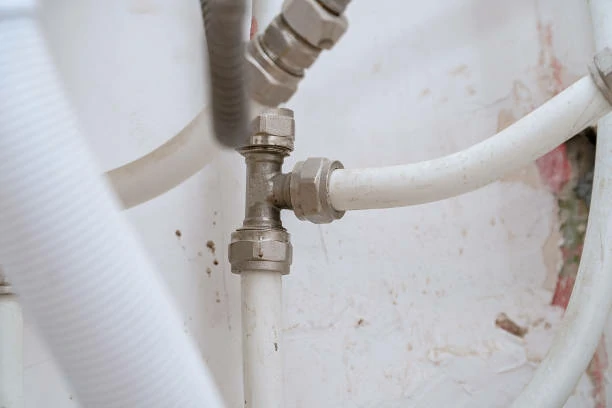
Cross-linked polyethylene (PEX) has become a revolutionary material in modern plumbing and heating systems. It offers superior durability, flexibility, and resistance to extreme temperatures compared to traditional materials like copper or PVC. PEX tubing serves as an efficient, versatile, and cost-effective option for residential and commercial applications. This article explores the properties of them material, its manufacturing process, key benefits, limitations, and real-world applications.
The composition of them drives its high performance, allowing it to handle diverse conditions. By understanding its unique material characteristics, professionals and homeowners can better utilize them in various systems.
The Composition
Manufacturers create PEX tubing from high-density polyethylene (HDPE). Cross-linking polyethylene strengthens the polymer structure, improving its thermal stability, flexibility, and resistance to wear. The process transforms HDPE into PEX, giving it the ability to withstand extreme conditions without degrading.
The molecular cross-linking forms three-dimensional bonds between polymer chains, making the material tougher and more durable. This change gives PEX tubing the strength to handle high-pressure systems and resist cracking under thermal stress.
The degree of cross-linking determines the tubing’s properties. Generally, cross-linking levels range between 65% and 89%, with higher levels providing increased durability and flexibility.
Types
Manufacturers classify PEX tubing into three main types: PEX-A, PEX-B, and PEX-C. Each type uses a different method for cross-linking polyethylene, which affects its flexibility, strength, and overall performance.
بيكس-أ
The PEX-A process uses the Engel method, where manufacturers apply high-pressure peroxide to the HDPE before cross-linking. This method creates the highest degree of cross-linking among all types, resulting in exceptional flexibility and durability. PEX-A tubing bends easily without kinking and withstands extreme temperature fluctuations.
Many professionals prefer PEX-A for applications requiring frequent bending or installations in tight spaces. It also allows expansion fittings, which create secure connections without additional tools.
بيكس-بي
PEX-B relies on the silane method, where manufacturers graft silane molecules onto HDPE before initiating cross-linking with moisture. This method produces tubing with slightly lower flexibility than PEX-A but higher resistance to chlorine and oxidation. PEX-B costs less than PEX-A, making it popular for budget-conscious projects.
Although less flexible, PEX-B retains excellent strength and durability. It suits applications like potable water systems, radiant heating, and snow-melting systems.
بيكس-سي
PEX-C uses the electron beam method to cross-link polyethylene without chemicals. Manufacturers expose HDPE to electron radiation, which bonds polymer chains and strengthens the material. This process results in the lowest degree of cross-linking among the three types.
PEX-C offers moderate flexibility and affordability but remains slightly more brittle than PEX-A or PEX-B. Many use it for repairs or smaller-scale projects.
Key Properties of Material
The unique properties of them allow it to perform effectively in various environments and applications. These properties distinguish PEX from traditional plumbing materials.
1. Flexibility
They bends easily, which reduces the need for fittings during installation. Its flexibility simplifies routing pipes around obstacles and lowers the risk of leaks. PEX-A provides the most flexibility, followed by PEX-B and PEX-C.
2. Temperature Resistance
They tolerates extreme temperatures without cracking or deforming. It handles both hot and cold water distribution effectively. Most PEX tubing withstands temperatures between -40°F and 200°F, making it ideal for radiant heating systems.
3. Pressure Resistance
PEX tubing maintains structural integrity under high pressure, with ratings often reaching up to 160 psi at 73°F. This pressure tolerance suits both residential and commercial plumbing systems.
4. Corrosion Resistance
Unlike metal pipes, PEX tubing resists corrosion and mineral buildup. It does not react with water or most chemicals, ensuring long-term performance without blockages.
5. Durability
PEX tubing resists wear from thermal expansion and contraction, avoiding cracks or failures over time. Its durability extends the lifespan of plumbing systems.
6. Lightweight Nature
PEX tubing weighs less than copper or galvanized steel, which simplifies transportation and installation. Its lightweight nature reduces labor costs and accelerates project completion.
The Manufacturing Process
The process of manufacturing them begins with raw HDPE pellets. Manufacturers melt the pellets and extrude them into tubular shapes. After extrusion, they apply cross-linking using the Engel (PEX-A), silane (PEX-B), or electron beam (PEX-C) method.
The cross-linking process transforms the polymer chains, strengthening the tubing’s molecular structure. Manufacturers then cool, cut, and coil the tubing into desired lengths, ensuring consistency and quality.
Finally, they conduct rigorous testing to verify the tubing’s strength, flexibility, and pressure resistance. Certified PEX tubing meets industry standards, such as ASTM F876, NSF/ANSI 61, and others.
Benefits of Using PEX Tubing Material
PEX tubing provides numerous advantages over traditional plumbing materials, making it a popular choice for various applications.
1. Cost-Effectiveness
They costs significantly less than copper, both in material and installation expenses. Its flexibility reduces the need for additional fittings and labor, saving time and money.
2. Energy Efficiency
PEX tubing minimizes heat loss, especially in hot water applications. Its insulation properties conserve energy and reduce utility bills in heating systems.
3. Easy Installation
Installers find them easier to handle due to its lightweight and flexible nature. It bends around corners, eliminating the need for extensive fittings. Expansion and crimp tools further simplify the connection process.
4. Longevity
PEX tubing lasts decades, with many manufacturers offering warranties of 25 years or more. Its resistance to corrosion and scaling ensures consistent performance over time.
5. Noise Reduction
PEX tubing operates silently, unlike metal pipes that may produce loud hammering noises during water flow. This feature enhances comfort in residential settings.
6. Versatility
PEX tubing adapts to various systems, including potable water, radiant heating, and even fire suppression. Its versatility suits both residential and commercial applications.
Applications of PEX Tubing
PEX tubing’s material properties allow it to perform well in multiple applications. Professionals utilize PEX tubing in the following areas:
1. أنظمة مياه الشرب
Many prefer PEX tubing for water supply lines due to its durability, flexibility, and resistance to scaling. It ensures safe and clean drinking water delivery.
2. Radiant Heating Systems
PEX tubing works efficiently in radiant floor heating by distributing heated water evenly beneath flooring materials. Its temperature resistance ensures reliable performance.
3. Snow Melting Systems
Installers use them in outdoor snow-melting systems to circulate hot water and prevent ice buildup on driveways or walkways.
4. Hydronic Heating
PEX tubing distributes heated water to baseboards, radiators, or fan coil units in hydronic heating systems. Its flexibility simplifies installation.
5. Fire Suppression Systems
Certain them meets fire suppression standards, making it suitable for sprinklers in residential and commercial properties.
Limitations of PEX Tubing
Although PEX tubing offers many advantages, it has some limitations that users should consider.
1. UV Sensitivity
PEX tubing degrades under prolonged exposure to sunlight. Installers must protect it from direct UV light to maintain its integrity.
2. Compatibility Issues
PEX tubing may not connect directly to all existing metal systems. Installers must use transition fittings to ensure compatibility.
3. Temperature Constraints
While PEX handles high temperatures well, it should not exceed the manufacturer’s maximum temperature rating. Excessive heat can compromise its performance.
4. Rodent Damage
Rodents may chew through PEX tubing, causing leaks. Users should protect installations in areas prone to pest activity.
Future of PEX Tubing Material
Advances in polymer technology continue to improve the performance of it. Researchers develop more UV-resistant formulations and enhance its strength for demanding applications. These innovations expand the material’s usability, ensuring its relevance in modern plumbing.
Manufacturers also focus on sustainability by reducing energy consumption during production. Recyclable them aligns with green construction initiatives, making it an eco-friendly option.
خاتمة
PEX tubing material offers a combination of strength, flexibility, and durability that sets it apart from traditional plumbing materials. Its unique properties, such as corrosion resistance, temperature tolerance, and cost-effectiveness, make it a preferred choice for residential and commercial systems. With proper installation and care, PEX tubing delivers reliable performance for decades.
By understanding its composition, manufacturing process, and applications, users can make informed decisions when selecting PEX tubing. As innovations continue, PEX tubing will remain an essential component in efficient, modern plumbing systems.
أفضل موردي أنابيب PEX
| الشركة المصنعة | دولة | تأسست | حجم |
| إيفان | الصين | 1993 | 500-1Kموظفين |
| ريهاو | ألمانيا | 1948 | أكثر من 10 آلاف موظف |
| نيبكو | الولايات المتحدة الأمريكية | 1904 | موظفو 1K-5K |
| فييجا | ألمانيا | 1899 | 501-1Kموظفين |
| أبولو (ألبرتس) | الولايات المتحدة الأمريكية (شركة هولندا الأم) | 1928 (دخلت بورصة PEX في عام 2006) | 51-200 موظف |
معيار IFAN الدولي
تُصمّم شركة IFAN منتجاتها لتلبية مجموعة واسعة من المعايير الدولية، بما في ذلك ASTM F1974، وASTM F1281، وCSA B137، وDIN 16836، وGB18997، وISO 21003، وISO15875، وGB-T 18992، وDIN 16892، وASTM F877، وASTM F2788، وBS 7291، وBS EN ISO 15875، وCSA B137. تضمن هذه المعايير جودة ومتانة وأداء أنابيب ووصلات PEX من IFAN في مختلف التطبيقات. ومن خلال الالتزام بهذه اللوائح، تُقدّم IFAN حلولاً موثوقة لأنظمة السباكة والتدفئة وإمدادات المياه في الأسواق العالمية.
اتصال
IFAN شركة تصنيع محترفة بخبرة 30 عامًا، متخصصة في إنتاج الأنابيب والوصلات والصمامات البلاستيكية عالية الجودة. تشمل منتجاتنا صمامات النحاس، وصمامات البولي بروبيلين (PPR)، بالإضافة إلى مجموعة متنوعة من الأنابيب والوصلات لتلبية احتياجات العملاء المختلفة. سواءً كنتم بحاجة إلى أنابيب السباكة والصرف الصحي أو منتجات الصمامات، فإن IFAN قادرة على توفير مجموعة متنوعة من المنتجات عالية الجودة وبأسعار معقولة لدعم مشاريعكم. تجدون أدناه معلومات الاتصال بنا.
سوف نقوم بالرد على بريدك الإلكتروني أو الفاكس الخاص بك خلال 24 ساعة.
يمكنك الاتصال بنا في أي وقت إذا كان هناك أي سؤال حول إنتاجنا.
لمزيد من المعلومات، يرجى زيارة موقعنا على شبكة الإنترنت https://www.ifanplus.com/
يرجى إرسال بريد إلى: [email protected]
واتساب: +86 19857948982























