


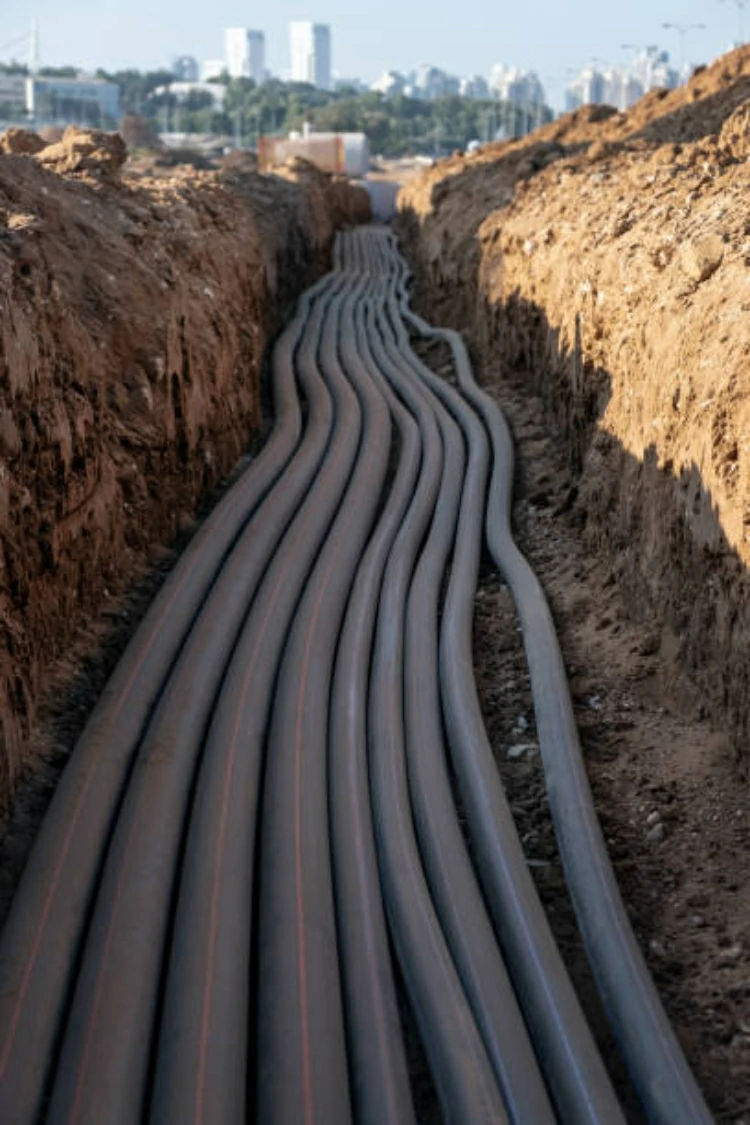
High-Density Polyethylene (HDPE) pipes have emerged as a sustainable and environmentally friendly option for various applications due to their unique properties and manufacturing processes. This article explores the environmental impact of HDPE pipe materials and analyzes their contribution to sustainable development initiatives.
Material Composition and Environmental Footprint
HDPE pipes are composed of petroleum-based polymers derived from ethylene, a byproduct of crude oil refining. While the extraction and processing of petroleum-based materials have environmental implications, HDPE pipe offer significant advantages over traditional materials such as metal and concrete in terms of their environmental footprint.
استهلاك منخفض للطاقة
The manufacturing process of HDPE pipe consumes less energy compared to other materials like metal and concrete. HDPE production involves the extrusion of polymer pellets into pipes, which requires minimal energy input compared to the energy-intensive processes involved in metal extraction and concrete production. This results in lower greenhouse gas emissions and energy consumption during the manufacturing stage.
إمكانية إعادة التدوير وإعادة الاستخدام
One of the key environmental benefits of HDPE pipe is their recyclability and reusability. HDPE, as a thermoplastic material, retains its properties even after multiple melting and reshaping processes. At the end of their service life, HDPE pipes can undergo recycling to produce new products, reducing the demand for virgin materials and minimizing landfill waste. This closed-loop recycling process contributes to the circular economy and reduces the environmental impact of plastic waste.
Environmental Performance and Benefits
HDPE pipes offer several environmental advantages throughout their lifecycle, from production to disposal. Their inherent properties make them a sustainable choice for various applications, including water distribution, sewage systems, and agricultural irrigation.
Reduced Environmental Degradation
HDPE pipes resist corrosion, chemical degradation, and biological growth, lowering the risk of leaks, spills, and environmental contamination. Their durability and longevity minimize maintenance, repairs, and replacements, reducing the environmental impact of pipeline infrastructure. This enhances the resilience of water and wastewater systems against environmental stresses.
الحفاظ على الموارد الطبيعية
By opting for HDPE pipes over traditional materials like metal and concrete, stakeholders conserve natural resources and ecosystems. HDPE pipe require fewer raw materials for production, lessening habitat destruction, deforestation, and ecosystem disruption from resource extraction. Their lightweight, flexible design reduces the use of heavy machinery during installation, minimizing environmental disturbance and ecosystem fragmentation.
خاتمة
HDPE pipes offer environmental benefits by reducing energy consumption, greenhouse gas emissions, and resource depletion throughout their lifecycle. Their recyclability, durability, and resistance to environmental degradation make them a preferred choice for infrastructure projects promoting sustainability. Adopting HDPE pipe enables industries and communities to build resilient pipeline systems, supporting long-term environmental stewardship and sustainable development.
اتصال
إيفان بلس هي سلسلة منتجات متخصصة أطلقتها شركة IFAN، تغطي بشكل رئيسي الأنابيب البلاستيكية والوصلات وأنواعًا مختلفة من الصمامات. نقدم أنابيب PPR وPVC وفقًا للمعايير الألمانية والأمريكية، مما يضمن جودة وموثوقية منتجاتنا العالية. تشمل منتجات صمامات IFANPLUS مجموعة متنوعة من الصمامات، من صمامات PPR إلى صمامات نحاسية متنوعة، لتلبية احتياجاتكم الخاصة. مهما كان المنتج الذي تحتاجونه، ستكون IFANPLUS شريككم الموثوق. إليكم معلومات الاتصال بنا.
سوف نقوم بالرد على بريدك الإلكتروني أو الفاكس الخاص بك خلال 24 ساعة.
يمكنك الاتصال بنا في أي وقت إذا كان هناك أي سؤال حول إنتاجنا.
لمزيد من المعلومات، يرجى زيارة موقعنا على شبكة الإنترنت https://www.ifanplus.com/
يرجى إرسال بريد إلى: [email protected]























