


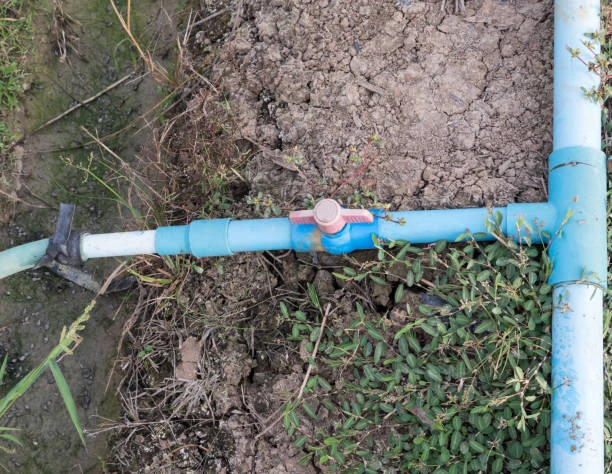
أصبح الحفاظ على المياه أمرًا بالغ الأهمية عالميًا، وخاصةً في الزراعة وتنسيق الحدائق. وتُعدّ الإدارة الفعّالة للمياه أمرًا بالغ الأهمية ليس فقط للحفاظ على هذا المورد الثمين، بل أيضًا لخفض تكاليف التشغيل وتحسين إنتاجية المحاصيل. ومن بين مكونات أنظمة الري المختلفة، تلعب صمامات الري دورًا حاسمًا في التحكم في تدفق المياه وتوزيعها. صمامات الري البلاستيكية stand out for their ability to contribute significantly to water-saving efforts.
This article explores the water-saving performance of PVC irrigation valves in detail. It will cover how these valves help reduce water wastage, the technological features that enhance efficiency, comparisons with other valve materials, and practical tips for maximizing water conservation in irrigation systems.
The Importance of Water-Saving in Irrigation Systems
Firstly, water scarcity affects many regions globally, and agriculture consumes the largest share of freshwater resources. Therefore, improving irrigation efficiency is essential to meet the growing demand for food while protecting water resources.
Moreover, inefficient irrigation leads to excessive water use, runoff, and soil erosion, which negatively impact both the environment and crop health. Hence, the components that regulate water application, such as irrigation valves, must be designed for optimal water-saving performance.
Role of PVC Irrigation Valves in Water Conservation
PVC irrigation valves are widely used because they provide precise control over water flow, enabling farmers and landscapers to irrigate only the areas that need water, at the right time and in the right amounts. This precise control helps avoid overwatering and water wastage.
Additionally, PVC valves are known for their tight sealing capabilities, which prevent leaks and seepage that are common sources of water loss in irrigation systems.
Furthermore, PVC as a material offers durability and resistance to corrosion, which helps maintain valve integrity over time, ensuring consistent water-saving performance throughout the valve’s lifespan.
How PVC Valves Prevent Water Loss
One of the most common causes of water wastage in irrigation systems is leakage through valves. PVC valves typically use effective seals and gaskets that create a tight closure, minimizing the risk of drips or leaks.
Besides that, the smooth internal surfaces of PVC valves reduce friction and buildup of debris that can cause valves to malfunction or partially open unintentionally.
Consequently, systems equipped with high-quality PVC valves experience fewer failures that would lead to water loss, thereby conserving water more effectively.
Precision Flow Control
Another reason PVC irrigation valves save water is their ability to provide precise flow regulation. Many PVC valves come with adjustable features allowing users to set flow rates according to crop requirements.
As a result, water is distributed evenly and only in necessary amounts, preventing waste caused by overwatering. This feature is especially important in drip irrigation and micro-irrigation systems, where precise water delivery is critical.
In contrast, valves with less precise control often result in uneven watering, creating dry spots or waterlogged areas that both waste water and reduce plant health.
Durability and Long-Term Efficiency
Durability plays a significant role in water-saving performance because worn or damaged valves can cause leaks and system inefficiencies.
PVC irrigation valves are resistant to common problems such as rust, corrosion, and UV damage, which often affect metal valves. This resistance helps PVC valves maintain their water-tight seals and operational efficiency over many years.
Therefore, investing in PVC valves can lead to long-term water savings by reducing the frequency of valve replacements and repairs.
Comparisons with Other Valve Materials
To better understand the water-saving benefits of PVC irrigation valves, it is useful to compare them with valves made from other materials such as brass, stainless steel, or cast iron.
Metal valves, while strong, are prone to corrosion, especially in areas with hard or chemically treated water. Corroded valves can develop leaks that waste water and require costly repairs.
On the other hand, PVC valves are immune to corrosion and chemical damage, helping maintain a leak-free system. Furthermore, PVC valves are lighter and easier to install properly, which reduces the risk of installation errors that might cause water leakage.
Although metal valves can sometimes handle higher pressures, in typical irrigation systems PVC valves provide more reliable sealing and water-saving performance.
Impact of Valve Design on Water Conservation
In addition to material properties, the design of the valve greatly influences its water-saving capabilities.
For instance, ball valves, butterfly valves, and diaphragm valves made from PVC each offer different advantages. Ball valves allow quick shut-off and excellent sealing, which is useful for controlling water supply precisely.
Butterfly valves, with their simple structure, provide smooth flow control with minimal pressure loss. Diaphragm valves offer excellent sealing in dirty or sediment-filled water, preventing leaks.
Choosing the appropriate valve design based on irrigation needs ensures maximum water conservation.
Minimizing Water Loss through Proper Installation
Even the best PVC irrigation valves cannot save water if they are not installed correctly.
Therefore, proper installation is vital to minimize water loss. This includes using compatible fittings, ensuring tight joints, and avoiding excessive mechanical stress that can crack or damage the valve.
Furthermore, installing valves at accessible locations allows for easier inspection and maintenance, helping detect and fix potential leaks before they become serious water-wasting issues.
Regular Maintenance for Sustained Water Efficiency
Regular maintenance complements the water-saving features of PVC irrigation valves. Periodic inspection helps identify worn seals, debris accumulation, or mechanical wear that could cause leaks or inefficient flow.
Moreover, cleaning valves to remove sediment buildup ensures smooth operation and prevents partial openings that lead to water wastage.
Replacing seals and gaskets as soon as signs of wear appear also helps maintain tight closures and preserves water efficiency.
Role of Automation and Smart Irrigation
Modern irrigation systems often integrate PVC valves with automated controls and sensors. This integration enhances water-saving by adjusting irrigation schedules and flow rates based on real-time soil moisture, weather conditions, and plant needs.
For example, smart controllers can open or close PVC valves precisely when necessary, avoiding unnecessary watering during rain or cooler periods.
This automation combined with reliable PVC valves results in highly efficient water use.
الفوائد البيئية والاقتصادية
Water-saving performance of PVC irrigation valves not only benefits the environment but also translates into economic savings.
By reducing water consumption, farmers and landscapers lower their water bills and energy costs associated with pumping.
Additionally, conserving water helps maintain local water supplies, supporting sustainable agriculture and community water availability.
Long-lasting PVC valves reduce replacement frequency and maintenance costs, further enhancing cost efficiency.
Case Studies Illustrating Water Savings
Several case studies highlight the effectiveness of PVC irrigation valves in saving water.
For instance, a commercial greenhouse reported a 30% reduction in water use after switching from metal valves to PVC valves with precise flow control. They also noted fewer leaks and reduced downtime.
Similarly, a large golf course improved irrigation uniformity and saved thousands of liters of water annually by upgrading to PVC ball valves with automated controllers.
Such real-world examples confirm the significant impact of PVC valves on water conservation.
التحديات والاعتبارات
While PVC irrigation valves offer many water-saving advantages, some challenges remain.
PVC valves have pressure limitations, which means they may not suit very high-pressure systems without additional reinforcement.
Also, extreme cold temperatures can make PVC brittle, increasing the risk of cracking. Proper insulation or winterization can address this issue.
Nonetheless, these challenges do not overshadow the substantial water-saving benefits PVC valves provide in most irrigation applications.
Tips to Maximize Water-Saving Performance
To get the most water savings from PVC irrigation valves, users should consider the following:
- Select valves with high-quality seals and precise flow control features.
- Match valve size and design to the specific irrigation system and crop needs.
- Ensure professional and proper installation to prevent leaks.
- Schedule regular maintenance and timely part replacements.
- Integrate valves with automated irrigation controllers and soil moisture sensors.
- Monitor system performance and adjust settings for optimal water use.
By implementing these measures, irrigation systems can maximize water savings while maintaining healthy crops.
Future Trends in PVC Valve Technology
Ongoing innovations promise to enhance the water-saving capabilities of PVC irrigation valves further.
Advances include improved seal materials that offer even tighter closures, more durable PVC blends resistant to extreme conditions, and integration with Internet of Things (IoT) technology for smarter irrigation management.
Such developments will continue to support sustainable agriculture and efficient water use worldwide.
خاتمة
In summary, PVC irrigation valves play a vital role in enhancing water conservation within irrigation systems. Their material properties, design features, durability, and ease of maintenance combine to reduce water wastage significantly.
Moreover, the ability to precisely control flow, prevent leaks, and integrate with automation makes PVC valves a smart choice for efficient irrigation.
By selecting high-quality PVC irrigation valves, installing them correctly, and maintaining them regularly, users can achieve substantial water savings, lower costs, and contribute to environmental sustainability.
Water-saving performance is no longer a luxury but a necessity, and PVC irrigation valves provide a reliable, economical solution to meet this challenge.
معيار IFAN الدولي
تتوافق منتجات IFAN مع مجموعة واسعة من المعايير الدولية، مما يضمن الجودة والموثوقية في مختلف الأسواق. تشمل هذه المعايير ASTM D2846، وDIN 8079/8080، وASTM F441/F441M SCH80، ومواصفات DIN متنوعة، ومعايير سلسلة GB/T 18993، وAS/NZS 1477، وCSA B137.6، وNSF/ANSI 14، وTIS 17-2532/1131-2535. ويُظهر هذا الامتثال الشامل التزام IFAN بتلبية المتطلبات العالمية وتقديم منتجات تُلبي أعلى معايير الأداء والسلامة.
اتصال
IFAN شركة تصنيع محترفة بخبرة 30 عامًا، متخصصة في إنتاج الأنابيب والوصلات والصمامات البلاستيكية عالية الجودة. تشمل منتجاتنا صمامات النحاس، وصمامات البولي بروبيلين (PPR)، بالإضافة إلى مجموعة متنوعة من الأنابيب والوصلات لتلبية احتياجات العملاء المختلفة. سواءً كنتم بحاجة إلى أنابيب السباكة والصرف الصحي أو منتجات الصمامات، فإن IFAN قادرة على توفير مجموعة متنوعة من المنتجات عالية الجودة وبأسعار معقولة لدعم مشاريعكم. تجدون أدناه معلومات الاتصال بنا.
سوف نقوم بالرد على بريدك الإلكتروني أو الفاكس الخاص بك خلال 24 ساعة.
يمكنك الاتصال بنا في أي وقت إذا كان هناك أي سؤال حول إنتاجنا.
لمزيد من المعلومات، يرجى زيارة موقعنا على شبكة الإنترنت https://www.ifanplus.com/
يرجى إرسال بريد إلى: [email protected]
واتساب: +86 19857948982























