


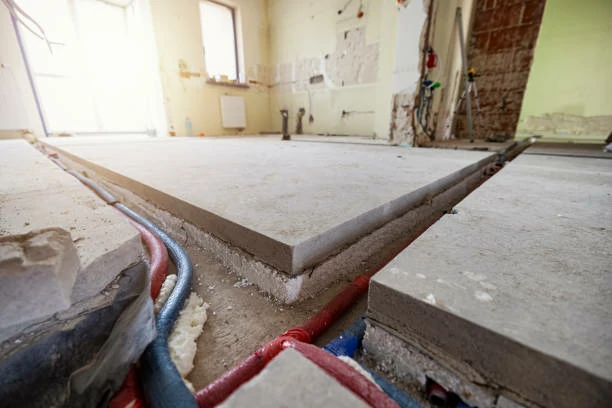
PEX pipes, especially 12mm in diameter, offer various benefits for plumbing and heating systems. These pipes are lightweight, durable, and flexible, making them a preferred choice for many installations. However, to ensure longevity and maximum performance, it is essential to follow specific best practices. This article outlines the best practices for using 12mm PEX pipe, from installation to maintenance, ensuring that you get the best results from your system.
Proper Sizing and Planning
Before starting any installation, Make sure that a 12mm PEX pipe is the right choice for your project.Typically, A 12mm PEX pipe is ideal for small to medium-sized residential plumbing or heating systems. They are commonly used for distributing water to fixtures, radiators, or for underfloor heating systems. Proper planning involves calculating the required flow rate and pressure to ensure 12mm PEX pipes meet the system’s needs. Always account for the pressure loss over long distances and make necessary adjustments, such as using larger pipes if required.
Using the Right Fittings
For a successful PEX pipe installation, always use compatible fittings designed specifically for PEX systems. Choose fittings that work with the pipe’s diameter, including 12mm PEX pipes. Compression, push-fit, and crimp fittings are all reliable options. Make sure the fittings are installed correctly to prevent leaks and ensure a secure connection. If using crimp fittings, invest in a quality crimp tool, and check the crimps carefully to avoid under-crimping or over-crimping, both of which can cause issues in the system.
Ensure Proper Bending and Routing
PEX pipes are known for their flexibility, but it’s essential to bend them correctly. When installing 12mm PEX pipes, avoid sharp bends, as these can restrict water flow and cause stress on the material. Use bend supports or sleeves if necessary to maintain smooth, gradual curves. Ensure that the pipes are routed in a way that avoids excessive tension or compression. Secure pipes with pipe straps every few feet to prevent sagging or shifting, which could damage the pipe over time.
Avoid Exposing PEX to UV Light
PEX pipes, including 12mm ones, can be sensitive to ultraviolet (UV) light. Prolonged exposure to UV rays can degrade the pipe material, leading to brittleness and cracking. To avoid UV damage, always install PEX pipes in walls, floors, or concealed areas where they’re not exposed to sunlight. If pipes must be exposed to sunlight, consider using PEX pipe sleeves or protective coatings designed to block UV light. This will ensure that your pipes maintain their integrity throughout the lifespan of the system.
Temperature and Pressure Considerations
When using 12mm PEX pipes, it’s important to understand the temperature and pressure limitations of the material. PEX pipes can handle water temperatures ranging from -40°F to 200°F, making them suitable for most plumbing and heating systems. However, ensure that the water temperature and system pressure do not exceed the pipe’s rated capacity. Using a pressure regulator may be necessary to avoid over-pressurizing the pipes. For heating systems, consider using insulation around the pipes to maintain consistent water temperature and reduce energy loss.
Avoiding Kinks and Damage During Installation
Kinks in 12mm PEX pipes can lead to blockages and leaks. When installing the pipes, avoid stepping on or twisting them, as this can create permanent bends or kinks. To prevent damage during installation, unroll the pipe carefully and avoid sharp turns. If a kink does occur, try to straighten it out gently. In cases of severe kinks, the section of pipe may need to be replaced. Keeping the pipe straight and free of any damage during installation will ensure optimal performance and longevity.
التفتيش والصيانة الدورية
While PEX pipes are durable and low-maintenance, they still require regular inspection to ensure everything is functioning properly. Periodically check for leaks, wear, or signs of damage. Pay attention to any unusual sounds or pressure drops in the system, as these could indicate a problem with the pipes. PEX pipes are resistant to corrosion, but mechanical damage can still occur, especially in areas with high foot traffic or where the pipe is exposed to external forces. Regular maintenance can help catch potential issues early before they cause major disruptions.
Proper Expansion and Contraction Management
PEX pipes expand and contract with changes in temperature. When installing 12mm PEX pipes, allow for some expansion and contraction within the system. Install expansion loops or offset the pipe in sections where large temperature fluctuations are expected. This will reduce the risk of the pipe developing stress or even bursting due to expansion. Additionally, avoid securing the pipe too tightly, as it needs room to move freely without causing damage to the pipe or surrounding fixtures.
معيار IFAN الدولي
إيفان تُصمّم شركة IFAN منتجاتها لتلبية مجموعة واسعة من المعايير الدولية، بما في ذلك ASTM F1974، وASTM F1281، وCSA B137، وDIN 16836، وGB18997، وISO 21003، وISO15875، وGB-T 18992، وDIN 16892، وASTM F877، وASTM F2788، وBS 7291، وBS EN ISO 15875، وCSA B137. تضمن هذه المعايير جودة ومتانة وأداء أنابيب ووصلات PEX من IFAN في مختلف التطبيقات. ومن خلال الالتزام بهذه اللوائح، تُقدّم IFAN حلولاً موثوقة لأنظمة السباكة والتدفئة وإمدادات المياه في الأسواق العالمية.
اتصال
IFAN شركة تصنيع محترفة بخبرة 30 عامًا، متخصصة في إنتاج الأنابيب والوصلات والصمامات البلاستيكية عالية الجودة. تشمل منتجاتنا صمامات النحاس، وصمامات البولي بروبيلين (PPR)، بالإضافة إلى مجموعة متنوعة من الأنابيب والوصلات لتلبية احتياجات العملاء المختلفة. سواءً كنتم بحاجة إلى أنابيب السباكة والصرف الصحي أو منتجات الصمامات، فإن IFAN قادرة على توفير مجموعة متنوعة من المنتجات عالية الجودة وبأسعار معقولة لدعم مشاريعكم. تجدون أدناه معلومات الاتصال بنا.
سوف نقوم بالرد على بريدك الإلكتروني أو الفاكس الخاص بك خلال 24 ساعة.
يمكنك الاتصال بنا في أي وقت إذا كان هناك أي سؤال حول إنتاجنا.
لمزيد من المعلومات، يرجى زيارة موقعنا على شبكة الإنترنت https://www.ifanplus.com/
يرجى إرسال بريد إلى: [email protected]
واتساب: +86 19857948982























