


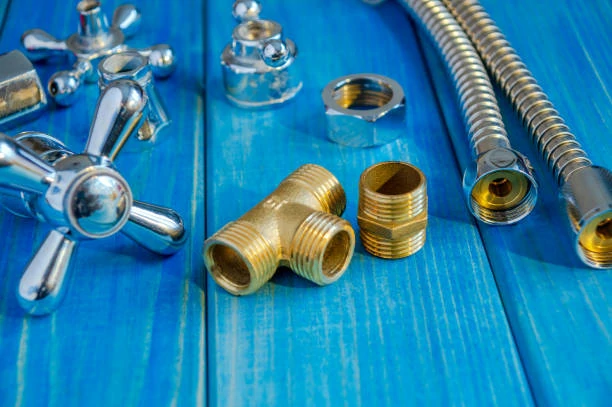
Metal hoses serve as versatile and durable solutions for various industrial and residential applications. Their flexibility, strength, and ability to withstand extreme conditions make them essential in many systems. Proper installation ensures optimal performance, safety, and longevity. This guide explains the steps and considerations necessary for installing a metal hose effectively.
التحضير للتثبيت
Understand the Requirements
Before starting, evaluate the specific needs of the project. Identify the type of fluid or gas that the hose will transport, the operating pressure, and the temperature range. Ensure the hose material matches these requirements to prevent failure or inefficiencies.
Gather the Necessary Tools
Prepare all required tools to streamline the process. Typical tools include a wrench, pipe cutters, thread sealant, and alignment devices. Using the correct tools prevents damage to the hose and associated components.
Inspect the Hose and Fittings
Examine the metal hose for visible damage, such as kinks or cracks. Check the fittings for any signs of wear or irregularities. Using damaged components risks leaks and operational failures.
Positioning the Metal Hose
Measure and Cut the Hose
Determine the exact length needed for the application. Cut the hose using a specialized metal hose cutter or a sharp tool designed for stainless steel or other metals. Ensure the cut remains clean and even, as irregular edges can compromise the connection.
Position the Hose Correctly
Align the hose with the connection points. Avoid sharp bends or excessive stretching, as these stresses reduce the hose’s lifespan. The natural flexibility of the metal hose helps in creating smooth curves, which accommodate movement and thermal expansion.
Secure the Hose in Place
Attach the hose to its designated location using clamps, brackets, or supports. These keep the hose stable, prevent unnecessary movement, and reduce strain on the fittings. Ensure the supports allow for natural flexing where required.
Connecting the Fittings
Match the Fittings
Ensure the fittings on the hose match the connection points of the system. Compatibility guarantees a secure, leak-free connection. Use standard or custom fittings as required by the specific application.
تطبيق مانع تسرب الخيوط
Apply a suitable thread sealant or tape to the fitting threads to ensure a tight seal. Avoid overusing the sealant, as excess material can contaminate the system or interfere with proper tightening.
Attach the Fittings
Secure the fittings to the connection points using a wrench. Tighten firmly, but avoid overtightening, which can damage the threads or deform the hose. Check for proper alignment to ensure smooth operation.
اختبار التثبيت
Conduct a Leak Test
Introduce a small amount of fluid or gas into the system to check for leaks. Use a soap-and-water solution or electronic leak detection tools to identify any problem areas. Address leaks immediately by re-tightening the fittings or replacing damaged components.
Monitor Pressure and Flow
Turn on the system to its normal operating conditions and observe the pressure and flow rates. Ensure the metal hose handles the conditions without kinking, bulging, or showing signs of strain.
Maintaining the Metal Hose After Installation
Schedule Regular Inspections
Create a routine maintenance schedule to inspect the hose for wear and tear. Look for signs of corrosion, leaks, or damage to the fittings. Early detection of issues prevents costly repairs or replacements.
Clean the Hose Periodically
Clean the hose and fittings to remove dirt, debris, or contaminants that can affect performance. Use a cleaning method compatible with the material of the hose to avoid damage.
Replace Worn Components
Replace any worn or damaged parts, including the hose or fittings, promptly. Using degraded components increases the risk of failure and reduces the system’s efficiency.
تجنب أخطاء التثبيت الشائعة
Prevent Overbending
Avoid bending the hose beyond its recommended radius. Overbending weakens the metal structure and creates points of failure.
Use Proper Supports
Always provide adequate support for the hose, especially in vertical or high-pressure applications. Unsupported hoses face unnecessary stress, leading to premature wear.
Avoid Excessive Force
When tightening fittings, use moderate force. Excessive torque damages threads or deforms the metal, creating potential leak points.
Considering Environmental Factors
Protect Against Corrosion
In environments with high humidity or corrosive elements, apply a protective coating or use corrosion-resistant materials like stainless steel. Protecting the hose ensures longevity and reliability.
Account for Thermal Expansion
Metal hoses expand and contract with temperature changes. Provide enough slack or use expansion joints to accommodate this movement, preventing strain on the hose and fittings.
Mitigate Vibration
Install vibration dampeners or flexible supports in systems prone to high vibration. This reduces wear and enhances the performance of the metal hose.
Enhancing Longevity
Use the Hose Within its Specifications
Operate the hose within its pressure, temperature, and movement limits. Exceeding these limits reduces the lifespan and risks failure.
Minimize Abrasion
Protect the hose from abrasive surfaces or sharp objects that can wear down the metal. Use covers or sleeves in areas where abrasion poses a risk.
Store Spare Hoses Properly
Store unused metal hoses in a dry, clean environment. Avoid stacking or coiling hoses in a way that creates kinks or deformations.
خاتمة
Installing a metal hose correctly requires attention to detail, proper tools, and knowledge of the system’s requirements. By following these steps, you can ensure a secure and efficient installation. Regular maintenance and careful operation further enhance the reliability and lifespan of the metal hose, making it a dependable component in various applications.
Top Metal Hoses Suppliers
| اسم الشركة | المقر الرئيسي | سنة التأسيس |
| إيفان | تشوجي، الصين | 1993 |
| أكسيال | أتلانتا، جورجيا، الولايات المتحدة | 1985 |
| أوربيا | مدينة مكسيكو، المكسيك | 1953 |
| شركة سيلانيز | إيرفينغ، تكساس، الولايات المتحدة | 1918 |
| شركة بولي ون | بحيرة أفون، أوهايو، الولايات المتحدة | 2000 |
معيار IFAN الدولي
تلتزم شركة IFAN (الشبكة الدولية للسوائل والتطبيقات) بالعديد من المعايير الدولية المعترف بها لضمان جودة منتجاتها وموثوقيتها. وتشمل هذه المعايير، على سبيل المثال، معيار ASTM A312، الذي يحدد متطلبات أنابيب الفولاذ المقاوم للصدأ الأوستنيتي الملحومة وغير الملحومة والمُشغولة على البارد. كما تتبع الشركة معيار GB/T 12777-2019، وهو معيار وطني صيني يُغطي مواصفات أنابيب الفولاذ المقاوم للصدأ. علاوة على ذلك، تلتزم IFAN بمعيار ISO 10380-2012، الذي يحدد متطلبات تجهيزات أنابيب الفولاذ المقاوم للصدأ. ومن خلال التزامها بهذه المعايير الراسخة، لا تضمن IFAN التميز التقني لمنتجاتها فحسب، بل تضمن أيضًا تلبية متطلبات الصناعة العالمية من حيث الأداء والمتانة والسلامة في مختلف أنظمة السوائل والتطبيقات.
اتصال
IFAN شركة تصنيع محترفة بخبرة 30 عامًا، متخصصة في إنتاج الأنابيب والوصلات والصمامات البلاستيكية عالية الجودة. تشمل منتجاتنا صمامات النحاس، وصمامات البولي بروبيلين (PPR)، بالإضافة إلى مجموعة متنوعة من الأنابيب والوصلات لتلبية احتياجات العملاء المختلفة. سواءً كنتم بحاجة إلى أنابيب السباكة والصرف الصحي أو منتجات الصمامات، فإن IFAN قادرة على توفير مجموعة متنوعة من المنتجات عالية الجودة وبأسعار معقولة لدعم مشاريعكم. تجدون أدناه معلومات الاتصال بنا.
سوف نقوم بالرد على بريدك الإلكتروني أو الفاكس الخاص بك خلال 24 ساعة.
يمكنك الاتصال بنا في أي وقت إذا كان هناك أي سؤال حول إنتاجنا.
لمزيد من المعلومات، يرجى زيارة موقعنا على شبكة الإنترنت https://www.ifanplus.com/
يرجى إرسال بريد إلى: [email protected]
واتساب: +86 19857948982























