


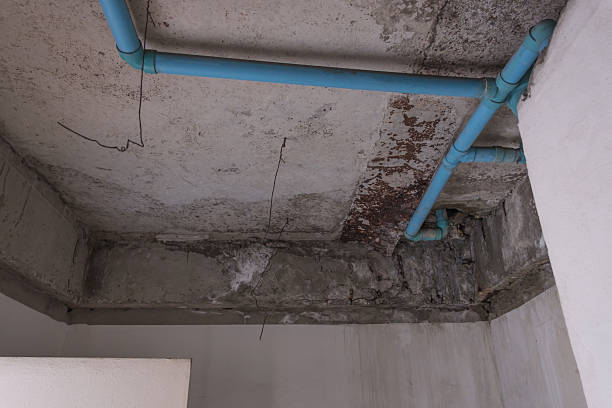
Chlorinated polyvinyl chloride (CPVC) water pipes offer a strong combination of physical, chemical, and mechanical properties. Manufacturers choose CPVC for its durability, chemical resistance, and thermal stability. These qualities result directly from the characteristics of the base material. Engineers and plumbers often rely on CPVC systems because they perform reliably in both residential and industrial applications. In this article, we will explore the core raw material properties that make أنابيب CPVC a preferred choice for water transportation.
Chemical Structure and Composition
CPVC starts as polyvinyl chloride (PVC), a thermoplastic polymer composed mainly of vinyl chloride monomers. During production, manufacturers chlorinate the base PVC polymer. This additional chlorination introduces more chlorine atoms into the polymer chain. As a result, the structure becomes more rigid and heat-resistant. The extra chlorine increases CPVC’s glass transition temperature, making it suitable for hot water systems.
This chemical structure creates a non-polar, tightly packed polymer matrix. The molecular arrangement prevents easy penetration of chemicals and water molecules. That feature enhances CPVC’s resistance to corrosion, scaling, and chemical degradation. Compared to standard PVC, CPVC can handle higher temperatures and harsher chemicals without losing mechanical strength.
الاستقرار الحراري
CPVC handles high temperatures far better than many other plastic materials. Most CPVC pipes can carry hot water up to 200°F (93°C) without softening or deforming. This thermal resistance comes from the additional chlorine content in the polymer chains. The chlorine atoms raise the glass transition temperature from around 158°F (70°C) in PVC to over 212°F (100°C) in CPVC.
Because of this increased heat tolerance, CPVC does not warp, sag, or break down easily under heat stress. Unlike metal pipes, it does not expand excessively or lose mechanical integrity with temperature changes. This feature ensures consistent flow rates and minimizes leakage risks in hot water systems.
تصنيفات القوة والضغط الميكانيكية
CPVC delivers high mechanical strength, especially in terms of tensile and impact strength. Engineers test CPVC pipes under various pressure conditions, and the results consistently show that the material maintains structural integrity. The polymer’s toughness enables the pipe to withstand sudden changes in water pressure.
The molecular bonding and chlorination process contribute to CPVC’s rigidity. This rigidity helps reduce flexing and vibration in plumbing systems. CPVC pipes resist bursting under high water pressure and maintain their shape over long service periods. These mechanical properties make CPVC suitable for both low-rise residential homes and high-rise buildings.
مقاومة التآكل والمواد الكيميائية
Unlike metal pipes, CPVC resists corrosion from aggressive water sources. Hard water, soft water, or acidic solutions cannot break down CPVC’s polymer structure. Even harsh industrial chemicals do not affect CPVC as easily as they affect metals or other plastics.
This resistance extends to a wide variety of acids, bases, salts, and oxidants. Engineers often choose CPVC pipes for chemical processing plants, laboratory drainage systems, and water treatment facilities. The pipes carry both clean water and aggressive chemicals without losing performance or leaching harmful substances.
The smooth inner surface also prevents biofilm buildup and scaling. That quality supports better water hygiene and longer pipe life. Maintenance teams spend less time cleaning or replacing CPVC lines because the material blocks internal degradation.
الموصلية الحرارية المنخفضة
CPVC pipes reduce heat loss because of their low thermal conductivity. This feature keeps hot water hotter and cold water colder during transport. The low conductivity reduces condensation and minimizes the need for insulation in many applications.
By slowing down heat transfer, CPVC pipes save energy. Heating systems that use CPVC deliver water more efficiently and maintain temperature stability. Homeowners and building managers benefit from lower utility bills and improved system performance.
Flame Retardance and Smoke Production
CPVC does not ignite easily and burns very slowly. When exposed to an open flame, it tends to self-extinguish. The high chlorine content in the material plays a key role in this fire-retardant behavior. In many cases, CPVC satisfies UL 94 V-0 or Class 1 fire ratings.
During combustion, CPVC releases less smoke and fewer toxic gases than other common plastics. These features improve safety during fires. Builders often prefer CPVC pipes in schools, hospitals, and other public buildings because the material improves fire safety standards.
الاستقرار الأبعادي
CPVC maintains its shape and size even under mechanical stress or temperature fluctuations. The material expands and contracts less than many other plastics. This dimensional stability ensures tight seals at joints and reduces strain on fittings.
Installers experience fewer issues during construction because CPVC pipes fit securely and remain stable over time. System designers use this property to create long-lasting water systems that resist deformation and maintain flow performance.
Longevity and Life Cycle
CPVC offers a long service life, often exceeding under proper use. Its resistance to chemical attack, corrosion, and thermal stress contributes to this longevity. Unlike some materials, CPVC does not degrade from UV exposure when buried underground or encased within walls.
Many infrastructure projects rely on CPVC because of its proven reliability. Governments, builders, and private companies often specify CPVC for long-term value. The low failure rate and minimal maintenance needs reduce life-cycle costs.
Environmental and Health Safety
Manufacturers formulate CPVC without adding lead, heavy metals, or toxic plasticizers. Water passing through CPVC pipes remains clean and safe for human use. The smooth interior surface does not support microbial growth, which ensures better water hygiene.
CPVC meets various international health and safety standards, including NSF/ANSI 61 for drinking water systems. These approvals make CPVC suitable for hospitals, kitchens, and food-processing facilities.
CPVC also leaves a lower environmental footprint during production and use. Its durability reduces the need for frequent replacements, conserving raw materials and energy over time. Recyclers can also recover and reuse CPVC from decommissioned systems.
Easy Processing and Installation
CPVC handles well during pipe production. It supports extrusion, molding, and joining with simple tools. Installers often use solvent cement to join CPVC pipes. This method creates strong, permanent bonds without heat or welding.
Because CPVC weighs less than metal, installers can carry and position the material easily. Fewer labor hours and reduced tool needs help control project costs. Technicians can cut, connect, and seal CPVC pipes with minimal effort.
Construction projects that use CPVC often progress faster and with fewer complications. The ease of handling and installation translates into lower labor costs and higher productivity.
مقارنة مع مواد أخرى
When compared to other pipe materials like copper, galvanized steel, and PEX, CPVC shows multiple advantages:
- نحاس resists heat well, but corrodes over time and costs more.
- Galvanized steel suffers from rust, adds weight, and offers poor chemical resistance.
- بورصة بي إي إكس offers flexibility, but its UV sensitivity and temperature limits make it less durable in high-heat settings.
CPVC balances strength, heat resistance, and chemical stability better than most competitors. These advantages make it a versatile option for plumbing, fire sprinkler systems, and industrial piping.
Industry Adoption and Standardization
Various industries have embraced CPVC due to its consistent performance. Regulatory bodies and standard organizations support CPVC use by publishing clear guidelines. ASTM standards, NSF certifications, and building codes include CPVC pipe specifications.
Manufacturers follow strict quality control during CPVC production. Testing labs verify pressure ratings, impact resistance, and heat performance. This level of standardization ensures reliability and compatibility across different brands and applications.
خاتمة
CPVC water pipes reflect the strength and versatility of their raw material. The chlorinated polymer backbone provides chemical resistance, thermal durability, and mechanical stability. These raw material properties enable CPVC to outperform many other piping materials in both residential and commercial settings.
Builders, engineers, and homeowners choose CPVC for its longevity, low maintenance, and safety features. The material continues to evolve through better formulations and new manufacturing techniques. As demand for sustainable, long-lasting piping systems grows, CPVC remains a reliable and cost-effective solution.
معيار IFAN الدولي
تتوافق منتجات IFAN من البولي إيثيلين عالي الكثافة مع مختلف المعايير الدولية، مما يضمن الجودة والمتانة والموثوقية. تشمل هذه المعايير ASTM D3035 وASTM D3350، اللتين تحددان مواصفات أنابيب ومواد البولي إيثيلين (PE). وتضع سلسلتا ISO 4427 وEN 12201 معايير عالمية لأنابيب البولي إيثيلين المستخدمة في أنظمة إمدادات المياه. كما تحدد DIN 8074/8075 وGB/T 13663 متطلبات الأداء والأبعاد لأنابيب البولي إيثيلين عالي الكثافة في الأسواق الأوروبية والصينية. وتؤكد معايير أخرى معترف بها، مثل AS/NZS 4130 (أستراليا/نيوزيلندا)، وJIS K6760 (اليابان)، وBS 6572 (المملكة المتحدة)، وCSA B137.1 (كندا)، التزام IFAN بالامتثال للوائح الصناعة العالمية.
اتصال
IFAN شركة تصنيع محترفة بخبرة 30 عامًا، متخصصة في إنتاج الأنابيب والوصلات والصمامات البلاستيكية عالية الجودة. تشمل منتجاتنا صمامات النحاس، وصمامات البولي بروبيلين (PPR)، بالإضافة إلى مجموعة متنوعة من الأنابيب والوصلات لتلبية احتياجات العملاء المختلفة. سواءً كنتم بحاجة إلى أنابيب السباكة والصرف الصحي أو منتجات الصمامات، فإن IFAN قادرة على توفير مجموعة متنوعة من المنتجات عالية الجودة وبأسعار معقولة لدعم مشاريعكم. تجدون أدناه معلومات الاتصال بنا.
سوف نقوم بالرد على بريدك الإلكتروني أو الفاكس الخاص بك خلال 24 ساعة.
يمكنك الاتصال بنا في أي وقت إذا كان هناك أي سؤال حول إنتاجنا.
لمزيد من المعلومات، يرجى زيارة موقعنا على شبكة الإنترنت https://www.ifanplus.com/
يرجى إرسال بريد إلى: [email protected]
واتساب: +86 19857948982























