


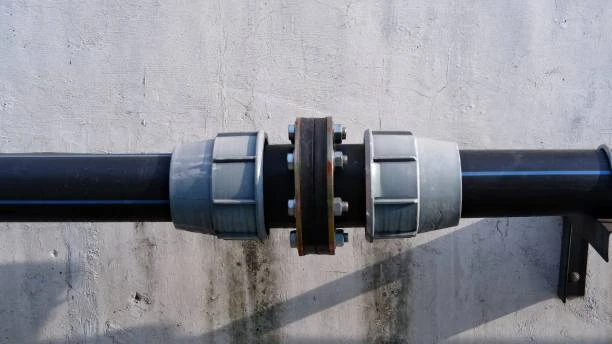
High-Density Polyethylene (HDPE) water pipes provide significant cost advantages compared to other piping materials. These benefits extend across manufacturing, transportation, installation, and long-term maintenance. أنابيب البولي إيثيلين عالي الكثافة have gained popularity in water supply systems due to their affordability and durability.
Lower Raw Material Costs
HDPE pipes rely on polyethylene, a widely available and cost-effective material. Unlike metal pipes, which require expensive resources such as copper or steel, polyethylene costs remain stable. Additionally, production processes consume less energy compared to metal fabrication, further reducing expenses. Since HDPE pipes use thermoplastic material, recycling efforts lower overall raw material costs.
Lightweight Reduces Transportation Costs
HDPE pipes weigh significantly less than alternatives such as steel or concrete pipes. This lightweight nature makes transportation more efficient and cost-effective. A single truck can carry more HDPE pipes than metal or concrete alternatives, reducing fuel consumption and labor costs. Construction projects also avoid the need for heavy lifting equipment, leading to additional savings.
Easy Installation Saves Labor Expenses
HDPE pipes simplify installation due to their flexibility and lightweight properties. Fewer workers can complete an installation compared to traditional materials, which require specialized labor. Fusion welding technology eliminates the need for expensive joint fittings, reducing both labor time and material expenses. Additionally, long pipe sections reduce the number of connections, making the installation process faster.
Long Lifespan Minimizes Replacement Costs
HDPE pipes can last over with minimal degradation. Corrosion, rust, and chemical reactions do not affect them, unlike metal pipes that require frequent replacements. Since HDPE resists UV damage and harsh environmental conditions, fewer maintenance and replacement expenses arise. Municipal water systems and industrial projects benefit from these extended lifespans, reducing long-term costs.
Resistance to Corrosion Lowers Maintenance Expenses
HDPE pipes offer excellent resistance to corrosion, preventing leaks and failures. Metal pipes require protective coatings or chemical treatments to resist corrosion, adding costs over time. HDPE eliminates these additional expenses because it remains unaffected by soil chemicals, acidic water, and microbial activity. Maintenance crews spend less time repairing or replacing damaged sections, resulting in lower operational costs.
High Flow Efficiency Reduces Energy Costs
Smooth internal surfaces allow HDPE pipes to deliver water with minimal friction. Unlike metal pipes, which experience scaling and buildup over time, HDPE maintains consistent flow rates. Pumping systems operate more efficiently due to reduced resistance, leading to lower energy consumption. Municipalities and businesses save on electricity costs associated with water transportation.
Fewer Leakages Prevents Water Loss
HDPE pipes use fusion welding to create seamless joints, eliminating leaks. Traditional metal or PVC pipes rely on mechanical joints or rubber seals, which deteriorate over time. Leaks lead to wasted water and increased repair expenses. By preventing leaks, HDPE pipes reduce unnecessary water loss and associated costs.
Lower Environmental Compliance Costs
Government regulations impose strict environmental compliance costs on industries using traditional piping materials. Metal pipes may require expensive disposal methods due to potential contamination risks. HDPE pipes, however, meet environmental standards without additional expenses. Their recyclability and non-toxic composition reduce costs associated with regulatory compliance.
Reduced Damage Costs from External Forces
HDPE pipes exhibit flexibility, allowing them to withstand ground movement, seismic activity, and extreme temperatures. Rigid materials such as concrete or metal crack under pressure, leading to costly repairs. HDPE’s flexibility prevents structural failures, reducing financial losses from external damage. Infrastructure projects in unstable soil conditions benefit from HDPE’s ability to absorb stress without cracking.
ملخص
HDPE water pipes provide multiple cost advantages in raw materials, transportation, installation, and maintenance. Their long lifespan, resistance to corrosion, and efficient water flow reduce overall expenses. By preventing leaks and lowering energy consumption, HDPE pipes create sustainable, cost-effective solutions for water supply systems. Businesses and municipalities achieve significant savings by choosing HDPE over traditional piping materials.
معيار IFAN الدولي
تتوافق منتجات IFAN من البولي إيثيلين عالي الكثافة مع مختلف المعايير الدولية، مما يضمن الجودة والمتانة والموثوقية. تشمل هذه المعايير ASTM D3035 وASTM D3350، اللتين تحددان مواصفات أنابيب ومواد البولي إيثيلين (PE). وتضع سلسلتا ISO 4427 وEN 12201 معايير عالمية لأنابيب البولي إيثيلين المستخدمة في أنظمة إمدادات المياه. كما تحدد DIN 8074/8075 وGB/T 13663 متطلبات الأداء والأبعاد لأنابيب البولي إيثيلين عالي الكثافة في الأسواق الأوروبية والصينية. وتؤكد معايير أخرى معترف بها، مثل AS/NZS 4130 (أستراليا/نيوزيلندا)، وJIS K6760 (اليابان)، وBS 6572 (المملكة المتحدة)، وCSA B137.1 (كندا)، التزام IFAN بالامتثال للوائح الصناعة العالمية.
اتصال
IFAN شركة تصنيع محترفة بخبرة 30 عامًا، متخصصة في إنتاج الأنابيب والوصلات والصمامات البلاستيكية عالية الجودة. تشمل منتجاتنا صمامات النحاس، وصمامات البولي بروبيلين (PPR)، بالإضافة إلى مجموعة متنوعة من الأنابيب والوصلات لتلبية احتياجات العملاء المختلفة. سواءً كنتم بحاجة إلى أنابيب السباكة والصرف الصحي أو منتجات الصمامات، فإن IFAN قادرة على توفير مجموعة متنوعة من المنتجات عالية الجودة وبأسعار معقولة لدعم مشاريعكم. تجدون أدناه معلومات الاتصال بنا.
سوف نقوم بالرد على بريدك الإلكتروني أو الفاكس الخاص بك خلال 24 ساعة.
يمكنك الاتصال بنا في أي وقت إذا كان هناك أي سؤال حول إنتاجنا.
لمزيد من المعلومات، يرجى زيارة موقعنا على شبكة الإنترنت https://www.ifanplus.com/
يرجى إرسال بريد إلى: [email protected]
واتساب: +86 19857948982























