


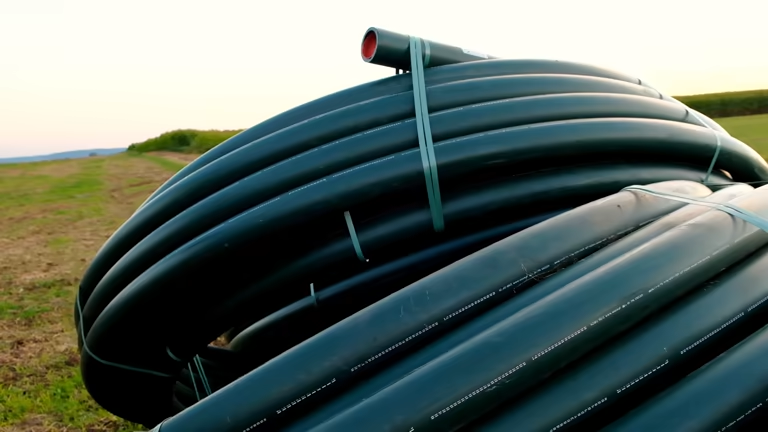
Upgrading your plumbing system can greatly improve water efficiency and reduce maintenance issues. One of the best ways to do this is by choosing a PE pipe for water supply. These pipes are designed to provide reliable performance, durability, and safety for both homes and industrial applications. By using high-quality PE pipes, you can ensure smooth water flow, reduce the risk of leaks, and enjoy a long-lasting solution that doesn’t require frequent repairs. With increasing demand for efficient water systems, PE pipes have become a popular choice for those who want a practical and cost-effective upgrade.
Frequently Asked Questions (FAQ)
1. What exactly is a PE pipe?
A PE pipe is a pipe made from polyethylene, a durable and flexible plastic material. It is designed to transport water safely and efficiently.
2. Can PE pipes handle hot and cold water?
Yes, PE pipes can carry both hot and cold water. However, it is important to check the specific temperature rating of the pipe before use.
3. Are PE pipes safe for drinking water?
Definitely. High-quality PE pipes meet health and safety standards, ensuring they do not release harmful substances into drinking water.
4. How long can PE pipes last?
When installed correctly, PE pipes can last or more. Proper support and protection from UV exposure are key factors for longevity.
5. How do PE pipes compare to other types of pipes?
PE pipes are lighter, more flexible, and resistant to corrosion compared to metal pipes. They are easier to install but require careful handling to avoid UV damage.
Definition and Key Features of PE Pipe
PE pipes are manufactured using high-density polyethylene (HDPE) or medium-density polyethylene (MDPE). These materials provide flexibility, strength, and resistance to chemicals and environmental stresses. The main features of PE pipes include:
- Flexibility: PE pipes bend easily, reducing the number of fittings needed for corners and curves.
- Durability: Resistant to cracking, scaling, and corrosion.
- Lightweight: Easier to handle and transport than metal or PVC pipes.
- Leak-free joints: Fusion or compression fittings ensure secure, watertight connections.
- Eco-friendly: Made from recyclable materials, minimizing environmental impact.
These features make PE pipes an excellent choice for long-term water supply projects, whether for residential, commercial, or industrial use.
Common Uses and Application Industries
PE pipes are versatile and widely used in different sectors. Some common applications include:
- Residential water supply: For drinking water, hot and cold water lines, and garden irrigation systems.
- Industrial water distribution: Factories and plants rely on PE pipes for efficient water transport.
- Agricultural irrigation: PE pipes are ideal for irrigation networks, delivering water evenly to crops.
- Municipal infrastructure: PE pipes are used in water mains, sewer lines, and stormwater systems due to their durability.
Because of their flexibility and strength, PE pipes can be adapted to many different environments, making them a cost-effective and reliable solution for water supply.
Buying Guide: How to Choose the Right PE Pipe
When selecting a PE pipe for water supply, there are several factors to consider:
- Material quality: HDPE pipes are stronger and better for high-pressure applications, while MDPE suits moderate pressure.
- Pipe diameter and thickness: Choose a diameter that matches your water flow requirements. Thicker walls can withstand higher pressure.
- Color coding: Blue pipes are usually for potable water, while black or green pipes may indicate non-potable or industrial water lines.
- Certifications: Look for ISO, ASTM, or local standards certification to ensure quality and safety.
- Supplier reliability: Buy from reputable suppliers. For example, Polymax Hardware at Corner Harare St and Robert Mugabe Way, opposite Chicken Inn’s entrance, first shop to your right inside the mall, Shop number HR11, Harare, Zimbabwe, offers genuine PE pipes with proper guidance.
Considering these factors ensures that your water supply system performs efficiently and lasts for many years.
Installation Tips for PE Pipes
Proper installation is essential to maximize the lifespan and performance of PE pipes. Here are some practical tips:
- Use appropriate fittings and welding methods to prevent leaks.
- Avoid sharp bends; use smooth curves to reduce stress points.
- Support long runs with brackets or clamps to prevent sagging.
- Protect outdoor pipes from UV light, which can degrade polyethylene over time.
- Test the system after installation to ensure everything works correctly.
Following these steps will minimize issues and help your system operate efficiently for decades.
Comparison with Other Pipe Materials
The following table compares PE pipes with PVC and metal pipes:
| Feature | PE Pipe | PVC Pipe | Metal Pipe (Steel/Copper) |
|---|---|---|---|
| Durability | High, corrosion-resistant | Moderate, can crack over time | Moderate, prone to rust/corrosion |
| Flexibility | Excellent, easy to bend | Low, requires extra fittings | Low, rigid and heavy |
| Installation | Lightweight, simple to handle | Moderate, heavier | Heavy, needs welding |
| Maintenance | Low, leak-resistant | Moderate, can require repair | High, needs regular checks |
| Cost | Moderate | Low | High |
This comparison shows why PE pipes are often the preferred choice for upgrading water systems. They offer an excellent balance between cost, durability, and ease of installation.
Conclusion
Upgrading your water supply system with a PE pipe for water supply brings numerous benefits, from enhanced durability to easy maintenance and safe water transport. Their flexibility, corrosion resistance, and long lifespan make them suitable for homes, industries, and agricultural applications. By selecting high-quality pipes and following proper installation practices, you can ensure a reliable water system for years to come. For quality PE pipes and expert advice, visit Polymax Hardware at Corner Harare St and Robert Mugabe Way, opposite Chicken Inn’s entrance, first shop to your right inside the mall, Shop number HR11, Harare, Zimbabwe. Their products and guidance help homeowners and businesses achieve efficient, safe, and long-lasting water distribution solutions.























