


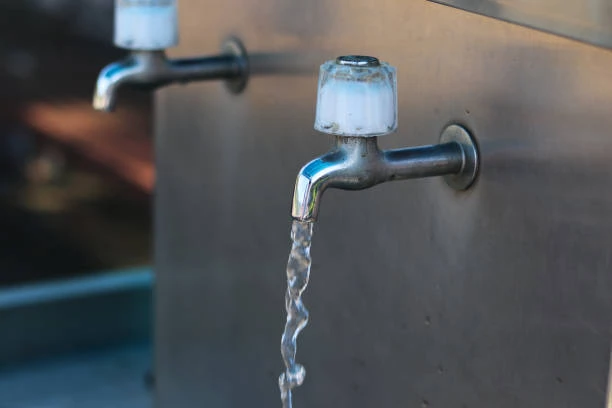
PPR irrigation fitting simplify the setup of irrigation systems with their quick-connect design, but proper bending techniques ensure flexibility and durability in complex layouts. This guide provides tips and precautions for bending PPR quick-connect pipes, focusing on PPR irrigation fittings. You’ll find answers to common questions, a buying guide, installation strategies for safe bending, and a comparison of PPR with other materials. By using high-quality fittings and following these methods, you can create a reliable, leak-free irrigation system. Whether you’re setting up a farm irrigation network or a garden system, this article helps you master bending PPR quick-connect pipes effectively.
Common Questions About PPR Irrigation Fittings
1. What Are PPR Irrigation Fittings?
PPR irrigation fittings are connectors made from polypropylene random copolymer, designed to join pipes using a push-fit or snap-on mechanism. They are ideal for irrigation systems, offering quick installation and flexibility for bending.
2. Can PPR Pipes Be Bent for Irrigation Layouts?
Yes, PPR pipes can be bent gently with heat or flexible fittings, but excessive bending without proper techniques can weaken joints or cause leaks.
3. How Do I Prevent Damage When Bending PPR Pipes?
Use a heat gun for controlled bending, avoid sharp angles, and secure fittings properly to maintain system integrity during installation.
4. Are PPR Irrigation Fittings Suitable for High-Pressure Systems?
Yes, they handle pressures up to 25 bar when installed correctly, making them reliable for high-pressure irrigation systems with proper bending precautions.
5. How Long Do PPR Irrigation Fittings Last in Outdoor Systems?
With proper installation and maintenance, they last over . Their UV-resistant and corrosion-resistant properties ensure durability in outdoor irrigation setups.
What Is a PPR Piping System?
A PPR piping system uses polypropylene random copolymer, a lightweight and durable thermoplastic, to create pipes and fittings for fluid transport. PPR systems stand out for their corrosion resistance, thermal stability up to 95°C, and flexibility, making them ideal for irrigation. PPR irrigation fittings enable quick, tool-free connections, simplifying complex layouts that require bending. Their smooth inner surfaces reduce friction, improving water flow and preventing clogs in irrigation systems. PPR is eco-friendly, recyclable, and energy-efficient to produce, offering a sustainable alternative to metal pipes. These qualities make PPR irrigation fittings perfect for flexible, durable irrigation networks.
Common Uses and Industry Applications
PPR irrigation fittings are versatile, supporting applications in various irrigation and water transport scenarios. Here’s where they’re commonly used:
- Agricultural Irrigation: Farmers use PPR fittings for drip or sprinkler systems, where bending allows customized layouts for fields or greenhouses.
- Residential Gardening: Homeowners rely on PPR for garden irrigation, with quick-connect fittings enabling easy adjustments around landscaping features.
- Commercial Landscaping: Parks, golf courses, and resorts use PPR fittings for large-scale irrigation, leveraging their flexibility for intricate designs.
- Greenhouse Systems: PPR fittings support water delivery in controlled environments, where bending accommodates tight spaces and complex setups.
- Municipal Water Projects: Cities use PPR for public irrigation systems, with quick-connect fittings simplifying installation and maintenance in urban green spaces.
Their adaptability and ease of use make PPR irrigation fittings a top choice for flexible irrigation systems.
Buying Guide for PPR Irrigation Fittings
Choosing high-quality PPR irrigation fittings ensures safe bending and system reliability. Consider these factors:
- Material Quality: Select fittings made from virgin polypropylene for durability and corrosion resistance. Low-grade materials may crack during bending or fail in outdoor conditions.
- Color Consistency: PPR fittings come in green, white, or gray. Green is common for irrigation systems, ensuring a cohesive look, though color doesn’t affect performance.
- Size Compatibility: Match the fitting’s diameter to your pipes (e.g., 20mm, 25mm, or 32mm). Proper sizing ensures secure connections, especially in bent sections.
- Certifications: Look for fittings meeting standards like ISO 15874 or DIN 8077/8078. These certifications guarantee quality and suitability for irrigation applications.
- Brand Reliability: Choose trusted brands like IFAN, with of experience in producing PPR fittings. Reputable manufacturers ensure reliable, bendable products.
Buying from reliable suppliers prevents issues with counterfeit fittings that could fail during bending or irrigation use.
Installation Tips and Precautions for Bending
To bend PPR quick-connect pipes effectively and safely with PPR irrigation fittings, follow these tips and precautions:
- Use a Heat Gun for Bending: Apply a heat gun to soften PPR pipes for gentle bends, keeping the temperature between 140–150°C to avoid melting. Rotate the pipe evenly to ensure uniform heating.
- Avoid Sharp Bends: Keep bends gradual, with a minimum radius of 8 times the pipe’s diameter (e.g., 160mm for a 20mm pipe). Sharp bends weaken pipes and fittings, risking leaks.
- Secure Fittings Properly: Push pipes firmly into fittings until they click or lock. Check connections after bending to ensure the seal remains intact under pressure.
- Support Bent Sections: Install pipe clamps or supports near bends to reduce stress on fittings. This prevents loosening or cracking in high-pressure irrigation systems.
- Test for Leaks: After bending and installation, run water through the system at operating pressure to check for leaks. Inspect bent areas closely, as they are prone to stress-related issues.
These strategies, combined with the manufacturer’s guidelines, ensure PPR irrigation fittings maintain integrity in bent, quick-connect systems.
PPR vs. Other Piping Materials
To understand why PPR irrigation fittings excel in flexible irrigation systems, here’s a comparison with other piping materials:
| Feature | PPR | Copper | PVC | CPVC |
|---|---|---|---|---|
| Flexibility | Good (heat-bendable) | Poor (rigid) | Moderate (brittle) | Moderate (brittle) |
| Corrosion Resistance | Excellent; no rust | Prone to corrosion | Good; no rust | Good; no rust |
| Temperature Tolerance | Up to 95°C | Up to 200°C | Up to 60°C | Up to 82°C |
| Installation Ease | Fast (quick-connect) | Slow (soldering) | Moderate (glue) | Moderate (glue) |
| Durability | 50+ years | 50+ years | 25–40 years | 25–40 years |
| Cost | Affordable | Expensive | Very affordable | Affordable |
| Eco-Friendliness | Recyclable, low energy | Recyclable, high energy | Non-recyclable | Limited recyclability |
PPR’s bendability and quick-connect design make it ideal for irrigation compared to copper’s rigidity or PVC/CPVC’s brittleness. PPR matches copper’s durability while being more affordable and eco-friendly, perfect for flexible irrigation systems.
Conclusion
PPR irrigation fittings simplify the creation of flexible, reliable irrigation systems, with proper bending techniques ensuring durability and leak-free performance. By using controlled heat, avoiding sharp bends, and supporting pipes adequately, you can achieve customized layouts. Their versatility spans agricultural, residential, and commercial irrigation applications, making them a top choice for flexible designs. Compared to copper, PVC, or CPVC, PPR offers superior flexibility, affordability, and sustainability. For your next irrigation project, trust PPR irrigation fittings and these bending tips to deliver efficient, long-lasting results.
Contact IFAN for Catalogs and Samples
Need technical documents, catalogs, or sample products? Reach out to IFAN today.
📧 Email: [email protected]
📱 Whatsapp: +86 19857948982
Our team responds quickly and provides professional support for all your pipeline needs.
IFAN international standard
IFAN piping systems comply with a wide range of international standards to ensure high quality and performance. These include ASTM F1974 and ASTM F1281 for multilayer piping systems, CSA B137 for Canadian plumbing applications, DIN 16836 for German technical specifications, GB18997 for Chinese standards, and ISO 21003, which covers multilayer piping systems used for hot and cold water installations. This broad certification scope highlights IFAN’s commitment to global compliance and product reliability.























