


IFAN ISO 4427 Plastic Foot Valve
Size: 20-110mm or 1/2″-4″
Material: UPVC/CPVC/PPH
Working Pressure:150PSI
Package: Cartons Box
The standards we can provide include ASTM D3035, ASTM D3350, ISO 4427 Series standards, EN 12201 Series standards, DIN 8074/8075, GB/T 13663 Series standards, AS/NZS 4130, JIS K6760, BS 6572, CSA B137.1, etc.
Plastic Foot Valve: Essential Check Valve for Efficient Pump Suction Systems
Introduction
Pumping systems need a reliable method to retain prime and prevent backflow. When operators draw liquid from tanks, wells, or reservoirs, they often rely on a simple yet crucial component—the plastic foot valve. This compact device maintains suction, keeps debris out, and ensures consistent operation of the entire pumping line.
Many industries—including agriculture, water treatment, aquaculture, and chemical handling—use foot valves as part of daily operations. These systems depend on foot valves to preserve pump integrity and reduce maintenance needs. By understanding the function and structure of the plastic foot valve, engineers and operators can make better design decisions and extend equipment life.
What Is a Plastic Foot Valve?
A plastic foot valve sits at the bottom of a suction pipe and acts as a combination of check valve and strainer. It allows fluid to flow in one direction—into the suction line—but closes when the pump shuts off. As a result, the valve prevents reverse flow and protects the pump from running dry.
Manufacturers typically mold these valves from PVC, PP (polypropylene), or other corrosion-resistant plastics. These materials withstand aggressive chemicals and harsh environmental conditions. Because plastic resists rust and scale buildup, users can operate these valves for years with minimal maintenance.
In short, a plastic foot valve ensures consistent flow in pump suction lines and prevents system failures caused by fluid loss, air entry, or contamination.
How It Works
Operators install the plastic foot valve at the lowest point of the suction line—usually inside a water tank, underground reservoir, or open pit. When the pump turns on, it creates a pressure drop inside the pipeline. The valve disc lifts, allowing water or fluid to flow into the pipe.
When the pump stops, the valve disc falls back onto the seat due to gravity and reverse pressure. This simple mechanism keeps the liquid inside the suction pipe and eliminates the need for re-priming.
Because foot valves also include a strainer or filter screen, they block solid particles, debris, and large contaminants from entering the system. This protection helps extend the lifespan of pumps, especially in dirty or unfiltered water sources.
Key Features
Plastic foot valves provide multiple features that improve system performance. The list below outlines several important characteristics:
-
One-way flow control: The valve prevents fluid from flowing backward into the source tank.
-
Corrosion resistance: Plastic materials resist acids, alkalis, saltwater, and various chemicals.
-
Lightweight design: Operators can easily handle, install, and replace the valve.
-
Low-pressure drop: The valve allows water to flow with minimal resistance during suction.
-
Self-sealing disc: When the pump shuts off, the valve closes automatically without external assistance.
-
Integrated strainer: The built-in screen filters out debris and protects upstream equipment.
-
Various sizes available: Manufacturers offer models from ½ inch to over 6 inches to suit many pipe dimensions.
-
Cost-effective solution: Compared to metal valves, plastic options offer lower upfront and long-term costs.
Because these valves combine check-valve and strainer functions, users can reduce the number of fittings in their system. That simplicity makes plastic foot valves ideal for compact installations or mobile applications such as sprayer tanks or irrigation systems.
Typical Applications
Operators across many industries use plastic foot valves in systems that draw fluid from below-grade or submerged locations. Common application areas include:
Agricultural Irrigation
Farmers install plastic foot valves at the end of suction pipes that pull water from ponds, wells, or tanks. These valves help pumps stay primed and protect them from soil, algae, and organic matter. Drip irrigation, sprinkler systems, and mobile pump carts all rely on them.
Water Treatment
Water treatment plants use plastic foot valves to draw from storage basins, chemical tanks, or intake wells. These valves maintain steady suction and prevent cross-contamination between tanks.
Chemical Transfer
Chemical industries often use plastic foot valves when handling acids, caustics, or solvents. PVC or PP valves resist corrosion and reduce safety risks compared to metal components.
Aquaculture
Fish farms and hatcheries use plastic foot valves in recirculating systems to maintain consistent water flow and keep fish waste or feed particles from entering pumps.
Industrial Dosing Systems
Operators use foot valves in automated metering or dosing systems to prevent siphoning or air bubbles from interfering with dosage accuracy.
Rainwater Collection
Plastic foot valves also appear in rainwater harvesting setups. When connected to a tank pump, the valve keeps the water line full and blocks insects, leaves, or sediment.
No matter the application, users benefit from reliable one-way flow and pump protection in tough or remote operating environments.
Materials and Design Options
Manufacturers offer plastic foot valves in several material grades and configurations. These variations allow users to match each valve to specific chemical, thermal, and mechanical requirements.
-
PVC (Polyvinyl Chloride): Handles most water-based systems, including light chemicals, fertilizers, and saltwater. Withstands temperatures up to 60°C (140°F).
-
PP (Polypropylene): Offers better chemical resistance for acids and solvents. Performs well at higher temperatures than PVC.
-
PVDF (Polyvinylidene fluoride): Serves high-purity or high-temperature chemical systems with aggressive media.
Some valves include flanged ends, while others feature threaded (BSP or NPT) or socket-weld connections. Most come with a removable strainer made of plastic or stainless steel mesh, allowing easy cleaning.
Manufacturers may also offer spring-loaded foot valves for vertical applications or systems where faster closure is necessary. Others design their valves with weighted discs that close reliably under gravity alone.
Benefits Compared to Metal Foot Valves
Plastic foot valves outperform metal valves in several key areas. Most importantly, plastic never corrodes or rusts. This property makes it ideal for submerged or corrosive environments, especially in outdoor or coastal regions.
Plastic also weighs much less than bronze or stainless steel. Operators save time and effort during installation or replacement, especially in portable systems.
Additionally, plastic reduces the risk of electrochemical reactions between dissimilar metals, which often affect mixed-material piping systems.
From a cost perspective, plastic foot valves generally cost less to purchase, install, and maintain. For systems that don’t require high-pressure or high-temperature performance, plastic valves provide a long-lasting and economical alternative.
Installation Tips
To install a plastic foot valve correctly, follow a few simple steps:
-
Clean the pipe: Remove any debris, dust, or burrs from the suction line before installation.
-
Use appropriate sealant: For threaded connections, apply Teflon tape or a compatible thread sealant. Avoid over-tightening to prevent cracking.
-
Align the valve vertically: Ensure the valve sits upright at the bottom of the suction pipe. Horizontal or angled placement can cause clogging or incomplete sealing.
-
Keep it submerged: Always install the valve below the fluid level to maintain prime and avoid air entry.
-
Support the pipe: Use brackets or supports to prevent the valve from bearing the full weight of the pipe.
-
Flush the system: After installation, run clean water through the valve to remove any trapped air or installation debris.
If necessary, users can remove the strainer for occasional cleaning, especially in dirty or algae-prone water sources.
Maintenance Guidelines
Although plastic foot valves require very little maintenance, regular checks help extend service life. Operators can follow these best practices:
-
Inspect monthly: Check for cracks, leaks, or debris on the valve body and screen.
-
Flush regularly: If installed in muddy or particle-laden water, flush the valve every few weeks to prevent clogging.
-
Replace worn parts: If the disc no longer seals properly, replace it with an OEM part to restore function.
-
Clean the strainer: Remove and rinse the strainer when flow rate decreases or visible debris accumulates.
Avoid using sharp tools or aggressive chemicals during cleaning, as these may damage the plastic surface or seals.
Sizing and Selection Tips
To select the correct plastic foot valve, consider the following parameters:
-
Pipe size: Match the valve size to the suction pipe (usually ½” to 6″).
-
Flow rate: Ensure the valve can handle the desired flow without excessive pressure loss.
-
Operating pressure: Confirm that the valve’s pressure rating suits the system, typically up to 6–10 bar for most plastic models.
-
Temperature range: Choose materials that match the fluid temperature, especially in outdoor or heated systems.
-
Chemical compatibility: Check resistance charts to confirm the valve body and seals match the chemical nature of the fluid.
Choosing the right valve reduces maintenance issues and ensures reliable performance under all expected conditions.
Frequently Asked Questions
Can plastic foot valves handle high pressure?
No. Most plastic foot valves serve low- to moderate-pressure systems. For high-pressure applications, use reinforced plastic or metal alternatives.
Do they work with thick or viscous fluids?
Yes, but only if the system generates enough suction. For viscous or particulate-rich fluids, consider models with larger or reinforced strainers.
Are these valves suitable for drinking water?
Yes, if made from certified food-grade plastic and installed with sanitary practices.
How long do plastic foot valves last?
With proper installation and regular cleaning, they can last 3–5 years or longer, depending on fluid type and usage frequency.
Can I install the valve horizontally?
Manufacturers recommend vertical installation for reliable sealing and flow performance. Horizontal use may cause clogging or valve failure.
Conclusion
The plastic foot valve provides a dependable, affordable, and low-maintenance solution for preventing backflow and debris entry in pump suction systems. Its corrosion resistance, lightweight construction, and built-in strainer make it ideal for agriculture, chemical transfer, water treatment, and many other fluid-handling applications.
When operators install and maintain these valves properly, they enjoy trouble-free performance and extended pump life. Whether drawing from wells, tanks, or open sources, plastic foot valves help systems operate smoothly and safely—day after day.
Contact
With of experience, IFAN is a specialist manufacturer specializing in the production of high quality plastic fittings, fittings and valves. Our products cover copper valves, PPR valves and various fitting and fittingxs to meet different customer needs. No matter what your needs are for plumbing or valves, IFAN offers a wide range of cost-effective products to support your project. Below is our contact information, this is our Whatsapp: +86 19857948982, Email: [email protected]
Related products
-
Sale!
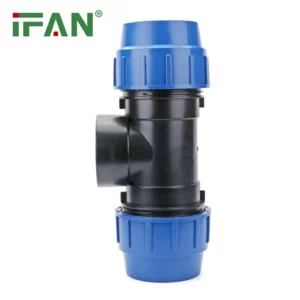 602 HDPE Compression Fittings
602 HDPE Fittings Tee
-
Sale!
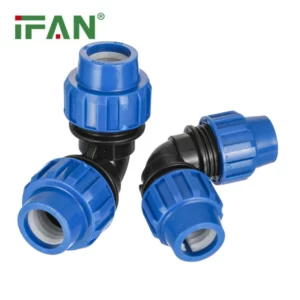 602 HDPE Compression Fittings
602 HDPE Fittings Elbow
-
Sale!
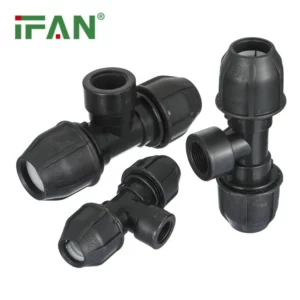 603 HDPE Compression Fittings
IFANPLUS Custom Good Quality HDPE Pipe Fitting Tee
-
Sale!
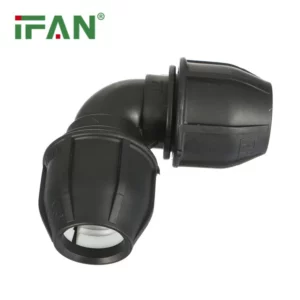 603 HDPE Compression Fittings
IFANPLUS WholeSale High Quality 603 HDPE Pipe Fitting Elbow
-
Sale!
 604 HDPE Compression Fittings
IFANPLUS Factory Direct High Quality 604 HDPE Pipe Fittings Tee
-
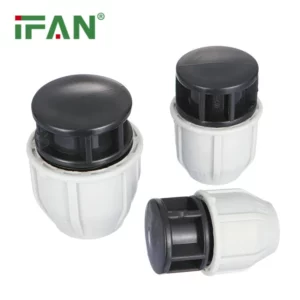 603 HDPE Compression Fittings
IFANPLUS Custom Wholesale 603 HDPE Fittings Plug
-
Sale!
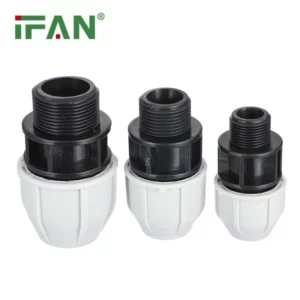 603 HDPE Compression Fittings
IFANPLUS High Quality Cheap Price 603 HDPE Fittings Socket
-
Sale!
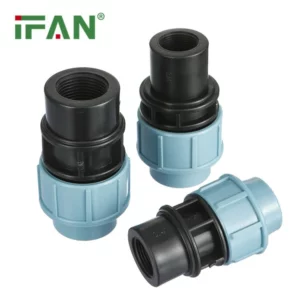 601 HDPE Compression Fittings
IFANPLUS Factory Direct Good Quality PP Fitting Socket