


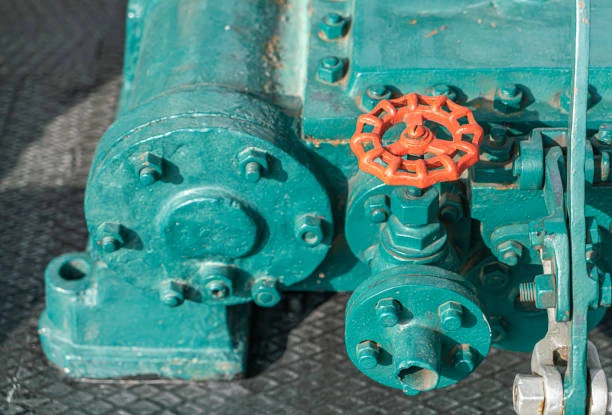
Piping gate valves are critical components in fluid control systems across many industries. Their simple yet effective design allows for efficient on/off flow control with minimal pressure loss. Understanding the essential facts about piping gate valves helps engineers, technicians, and facility managers make informed decisions regarding their use, installation, and maintenance. This article covers the basic definition and characteristics, common applications, selection guidelines, and a comparison with other valve types, providing a comprehensive overview for anyone involved with piping systems.
Frequently Asked Questions (FAQ)
1. What is a piping gate valve?
A piping gate valve is a valve that uses a sliding gate to start or stop the flow of fluid in a pipe. It typically operates by raising or lowering a gate inside the valve body to allow full flow or complete shutoff.
2. Can piping gate valves regulate flow?
No. These valves are designed for either fully open or fully closed positions. Using them partially open can damage the valve and cause leaks.
3. What materials are piping gate valves made from?
Common materials include cast iron, ductile iron, brass, bronze, stainless steel, and carbon steel. Material selection depends on the fluid type, pressure, temperature, and environmental conditions.
4. Where are piping gate valves commonly used?
They are widely used in water supply systems, oil and gas pipelines, chemical plants, fire protection systems, and many industrial applications requiring reliable shutoff.
5. How do I select the right piping gate valve?
Consider the pressure and temperature ratings, valve size, material compatibility, connection type, and compliance with industry standards.
Definition and Key Characteristics of Piping Gate Valves
A piping gate valve controls fluid flow by moving a gate perpendicular to the flow path. When the gate lifts, fluid flows freely with minimal resistance; when lowered, it blocks the passage completely. The valve’s operation is typically manual using a handwheel, but automation options also exist.
Key Characteristics:
- Straight-through flow: This design reduces turbulence and pressure drop when fully open.
- Bidirectional sealing: The valve can handle flow from either direction.
- Full bore: The opening inside the valve matches the pipe diameter, allowing unobstructed flow.
- Durability: Designed to withstand high pressures and temperatures depending on material and construction.
- Low maintenance: Simple design with fewer moving parts makes servicing straightforward.
- Rising and non-rising stem options: Rising stem valves show valve position externally; non-rising stems save space, ideal for underground installations.
Common Applications and Industry Uses
Piping gate valves serve diverse applications where flow isolation is necessary. Their robustness and reliability make them a staple in many industries.
Water Treatment and Distribution
Gate valves isolate sections of water mains for maintenance or emergencies. Their full-bore design minimizes energy losses in high-volume distribution systems.
Oil and Gas Industry
Used extensively for upstream, midstream, and downstream flow control, gate valves handle hydrocarbons at high pressure and temperature.
Chemical Processing
Chemical plants rely on gate valves made of corrosion-resistant materials to safely manage aggressive fluids.
Fire Protection Systems
Gate valves regulate water flow to sprinkler and fire hydrant systems, meeting stringent safety standards.
Power Generation
In power plants, gate valves control steam, cooling water, and fuel lines, often operating under severe conditions.
Marine and Shipbuilding
Valves withstand corrosive seawater and are critical in bilge, ballast, and cooling systems on ships.
Selection Guide: How to Choose the Right Piping Gate Valve
Selecting the ideal piping gate valve involves evaluating several factors to ensure reliable performance.
1. Material Compatibility
Choose valve materials that resist corrosion and wear caused by the fluid and operating environment:
- Cast iron and ductile iron: Common for water and wastewater systems.
- Brass and bronze: Suitable for potable water and marine environments.
- Stainless steel: Ideal for aggressive chemicals and hygienic applications.
- Carbon steel: Preferred for oil, gas, and high-temperature systems.
2. Pressure and Temperature Ratings
Verify that the valve’s rated pressure and temperature exceed the system’s maximum operating conditions. Valves are categorized into classes such as PN16 or ANSI Class 150.
3. Valve Size and Flow Capacity
Select a valve size matching the pipeline diameter to avoid flow restrictions or excessive costs.
4. Connection Type
- Flanged: Suitable for large pipes and systems requiring frequent disassembly.
- Threaded: Used for smaller diameters and lower pressures.
- Welded: For permanent, high-integrity connections in demanding environments.
5. Stem Type and Operation
- Rising stem: Provides visual indication of valve position.
- Non-rising stem: Saves vertical space; ideal for underground or tight installations.
- Operation may be manual or automated depending on system requirements.
6. Certifications and Standards
Ensure compliance with industry standards such as API, ISO, ANSI, NSF, or UL/FM depending on application needs to guarantee quality and safety.
Why Are Piping Gate Valves Essential?
Piping gate valves provide unmatched advantages when used appropriately. Their essential traits and wide availability make them indispensable in controlling fluid flow.
- Reliable shutoff: Ensures complete isolation, vital during repairs or emergencies.
- Minimal flow resistance: The full-bore design preserves pipeline efficiency.
- Cost-effectiveness: Relatively affordable with long service life.
- Versatility: Available in numerous sizes, materials, and configurations.
- Ease of maintenance: Simple construction reduces downtime and repair costs.
These facts explain why piping gate valves remain among the most popular valves worldwide.
Piping Gate Valve vs Other Valve Types
| Feature | Piping Gate Valve | Ball Valve | Globe Valve | Butterfly Valve |
|---|---|---|---|---|
| Function | On/Off isolation | On/Off isolation | Flow regulation | On/Off & control |
| Flow resistance | Very low | Very low | High | Low |
| Shutoff capability | High | Very high | High | Moderate |
| Size availability | Wide | Moderate | Limited | Wide |
| Maintenance complexity | Low | Low | Moderate | Low |
| Space requirements | Large | Compact | Moderate | Very compact |
| Cost (large sizes) | Moderate | High | Moderate | Low |
The piping gate valve’s strong shutoff ability and low flow resistance make it ideal for isolation purposes, especially in large diameter pipes, while other valves may serve better for throttling or fast operation.
Conclusion
Piping gate valves are fundamental components in piping systems requiring reliable flow control and isolation. Understanding their basic features, common applications, and how to select the right valve equips professionals to maintain efficient and safe fluid systems.
Their combination of durability, low maintenance, and excellent shutoff ability ensures that piping gate valves will continue to play a key role across water supply, oil and gas, chemical processing, fire protection, and many other industries.
Choosing the right piping gate valve and installing it properly can extend service life and reduce operating costs, making it an essential investment for any piping infrastructure.
Contact IFAN for Catalogs and Samples
Need technical documents, catalogs, or sample products? Reach out to IFAN today.
📧 Email: [email protected]
📱 Whatsapp: +86 19857948982
Our team responds quickly and provides professional support for all your pipeline needs.
IFAN international standard
IFAN piping systems comply with a wide range of international standards to ensure high quality and performance. These include ASTM F1974 and ASTM F1281 for multilayer piping systems, CSA B137 for Canadian plumbing applications, DIN 16836 for German technical specifications, GB18997 for Chinese standards, and ISO 21003, which covers multilayer piping systems used for hot and cold water installations. This broad certification scope highlights IFAN’s commitment to global compliance and product reliability.























