


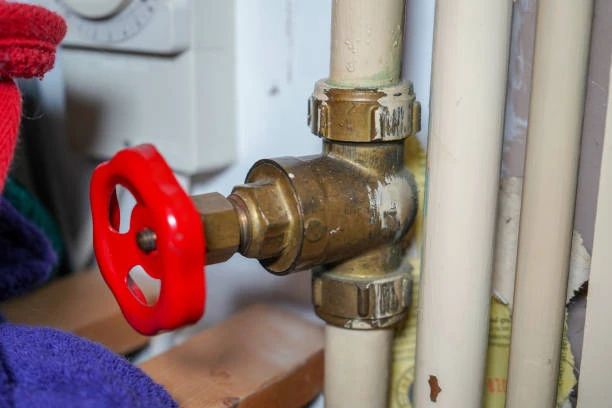
Installing a piping gate valve correctly is essential for the safe and efficient operation of any fluid control system. Whether you’re working on a water supply line, an industrial process pipeline, or a fire protection network, the right installation methods help extend the valve’s service life and prevent costly failures. In this article, you will learn what a piping gate valve is, where it’s commonly used, how to select the right valve, and most importantly, the best practices for installing it correctly.
Frequently Asked Questions (FAQ)
1. What is a piping gate valve?
It is a valve that opens and closes by lifting or lowering a gate inside the valve body. It is used for full shutoff or full flow in piping systems.
2. Why is proper installation important?
Correct installation prevents leakage, reduces wear and tear, and ensures long-term reliability of the valve and the system.
3. Can I install a gate valve in any direction?
While gate valves can work bidirectionally, it’s best to install them according to flow direction markings and manufacturer instructions.
4. What tools are needed for gate valve installation?
You typically need wrenches, pipe sealant or Teflon tape, a torque wrench, and proper lifting equipment for heavy valves.
5. How often should gate valves be inspected after installation?
Routine inspections should take place every 6–12 months, depending on usage frequency and fluid type.
Definition and Key Features of Piping Gate Valve
A piping gate valve is a mechanical device designed to start or stop fluid flow in a pipe. It uses a sliding gate to block or allow flow. When the handwheel turns, it raises or lowers the gate using a threaded stem. These valves are most effective in applications where the valve remains either fully open or fully closed.
Key Features
- Low flow resistance: When fully open, the valve creates a straight path, reducing turbulence and energy loss.
- Tight shutoff: The gate creates a seal against the seat, effectively stopping fluid flow.
- Wide pressure and temperature range: Suitable for extreme conditions depending on material and design.
- Versatile configurations: Available in rising or non-rising stem types, with flanged, threaded, or welded connections.
- Large size availability: Manufactured for small residential lines to large-scale industrial pipelines.
These features make the piping gate valve suitable for various demanding environments.
Common Applications and Industry Use
The piping gate valve is widely used due to its reliability and simplicity. It plays an essential role in both commercial and industrial systems.
Water Supply and Distribution
Municipal and building water systems use gate valves to isolate pipelines for maintenance or emergencies. Their low pressure drop ensures smooth flow.
Oil and Gas
Gate valves handle high-pressure fluids in refineries, drilling platforms, and pipelines. Their metal-seated designs withstand extreme temperatures and pressures.
Fire Protection Systems
Gate valves control water supply to fire sprinkler systems and hydrants. They meet UL/FM standards and function during critical moments.
Chemical Processing
In chemical plants, gate valves manage corrosive or hazardous fluids. Materials like stainless steel or alloy bronze resist aggressive chemicals.
Power Plants
Gate valves regulate water, steam, and other fluids in boilers, turbines, and cooling systems. They function under high thermal and pressure stresses.
Marine Applications
Ships and offshore platforms use gate valves in ballast, bilge, and seawater systems where resistance to corrosion is necessary.
Selection Guide: Choosing the Right Gate Valve
Before installing a piping gate valve, ensure you’ve selected the right one for your system’s needs. Consider the following factors:
1. Material Compatibility
Match valve material with the media being transported. For example:
- Brass or bronze for drinking water and marine environments
- Stainless steel for chemicals and food-grade applications
- Cast iron or ductile iron for general water systems
- Carbon steel for oil and gas
2. Pressure and Temperature Rating
Check the valve’s pressure class (e.g., PN16, Class 150) and ensure it exceeds your system’s maximum operating pressure. Also confirm it can handle expected temperature ranges.
3. Valve Size and End Connection
Select the correct valve diameter to match your pipeline. Choose from:
- Flanged ends for easy maintenance and industrial systems
- Threaded ends for small-diameter applications
- Welded ends for high-pressure or permanent systems
4. Stem Type
- Rising stem: Easier to monitor valve position, suitable for above-ground use
- Non-rising stem: Compact and good for buried or tight spaces
5. Certification
Ensure the valve meets industry standards such as:
- API, ANSI, ISO, NSF, or UL/FM depending on the application
Certified valves guarantee safety, performance, and legal compliance.
Piping Gate Valve Installation Tips You Should Know
Correct installation is just as important as correct selection. Follow these essential tips for proper installation:
1. Inspect the Valve Before Installation
Check for visible damage, debris, or missing parts. Rotate the stem to confirm smooth gate operation. Ensure the valve is clean and dry.
2. Ensure Pipe Alignment
Misaligned pipes can stress the valve body and cause leaks or mechanical failure. Align flanges or threads precisely before mounting the valve.
3. Use Appropriate Sealing Materials
Apply Teflon tape or pipe sealant on threaded connections. For flanged joints, use the right type and size of gasket and tighten bolts in a cross-pattern to ensure uniform sealing.
4. Follow Flow Direction Markings
Although many gate valves are bidirectional, manufacturers often include a recommended flow direction. Follow it to optimize performance and extend valve life.
5. Provide Structural Support
Heavy valves, especially in vertical runs, require support brackets or hangers. Avoid suspending the valve solely by the piping system.
6. Open Valve Slightly During Welding (If Required)
If welding near the valve, keep the gate slightly open to prevent thermal damage to the seat. Follow the manufacturer’s welding guidelines.
7. Avoid Over-Tightening
Over-tightening flange bolts or threaded joints may crack the valve body. Use a torque wrench and follow the torque specifications.
8. Conduct Leak and Pressure Tests
After installation, pressurize the system slowly and inspect for leaks. Open and close the valve fully to test operational function.
9. Document the Installation
Record the valve location, material, pressure class, and date of installation. This helps with future maintenance and replacement planning.
Following these tips not only improves performance but also helps prevent early valve failure and safety hazards.
Piping Gate Valve vs Other Valve Types
Below is a comparison of the piping gate valve with other common valve types used in similar applications:
| Feature | Piping Gate Valve | Ball Valve | Globe Valve | Butterfly Valve |
|---|---|---|---|---|
| Main Function | Shutoff | Shutoff | Throttling | Shutoff/Control |
| Flow Restriction | Low | Very Low | Medium | Low |
| Installation Space | Larger | Compact | Moderate | Very Compact |
| Operation Speed | Slow | Fast | Medium | Fast |
| Shutoff Performance | High | Very High | High | Medium |
| Maintenance Requirements | Low | Low | Moderate | Low |
| Best Use Case | Isolation | Quick Operation | Flow Regulation | Large Flow Control |
This table shows that while gate valves are not ideal for throttling, they excel in isolation applications, especially where pressure drop must be minimized.
Conclusion
Proper installation of a piping gate valve is vital for achieving reliable system operation. By selecting the right valve, using correct tools and techniques, and following the steps outlined above, you can prevent leaks, reduce maintenance, and maximize system performance.
From municipal water systems to industrial processing and marine installations, the piping gate valve remains one of the most trusted components in fluid control. Knowing how to install it properly not only ensures efficient operation but also improves safety and saves costs in the long run.
Take the time to follow manufacturer guidelines, align components correctly, and test thoroughly after installation. Doing so will help you enjoy the full benefits that a well-installed piping gate valve has to offer.
Contact IFAN for Catalogs and Samples
Need technical documents, catalogs, or sample products? Reach out to IFAN today.
📧 Email: [email protected]
📱 Whatsapp: +86 19857948982
Our team responds quickly and provides professional support for all your pipeline needs.
IFAN international standard
IFAN piping systems comply with a wide range of international standards to ensure high quality and performance. These include ASTM F1974 and ASTM F1281 for multilayer piping systems, CSA B137 for Canadian plumbing applications, DIN 16836 for German technical specifications, GB18997 for Chinese standards, and ISO 21003, which covers multilayer piping systems used for hot and cold water installations. This broad certification scope highlights IFAN’s commitment to global compliance and product reliability.























