


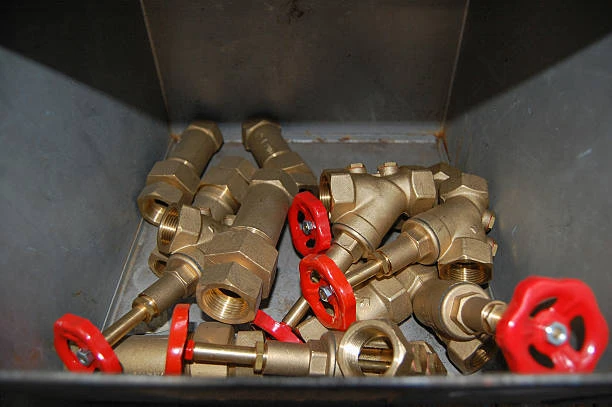
The piping gate valve plays a fundamental role in modern industry, offering reliable control of liquid or gas flow in pipelines. Known for its efficiency, durability, and tight shutoff, this valve type remains a top choice across sectors such as water supply, oil and gas, chemical processing, and power generation. In this article, we explore the key benefits of using a piping gate valve, explain how it works, examine its applications, and offer guidance on how to select the right one for industrial use.
Frequently Asked Questions (FAQ)
1. What is a piping gate valve?
It is a linear-motion valve that controls flow by lifting or lowering a gate across the fluid path. It is primarily used for full open or full close applications.
2. Why is it popular in industrial pipelines?
The valve allows minimal flow restriction and provides a reliable seal. These features make it suitable for high-pressure and high-temperature systems.
3. Can it regulate flow like other valves?
No. Gate valves are not suitable for throttling. Operating them in partially open positions can lead to gate or seat damage.
4. What materials are available for industrial use?
Common materials include stainless steel, ductile iron, brass, and bronze, chosen based on media type, pressure, and corrosion risk.
5. How long does a piping gate valve last in industry?
When selected and maintained correctly, these valves often last for many years—even decades—in harsh environments.
Definition and Key Features of Piping Gate Valve
A piping gate valve is a shutoff device designed to start or stop the flow of a medium within a pipe. It operates by raising or lowering a solid gate, which moves vertically in and out of the flow stream. The valve is either fully open or fully closed, offering little resistance when open and a strong seal when shut.
Key Features
- Full-bore design: Allows fluid to pass freely with minimal pressure loss.
- Straight-through flow: Reduces turbulence and prevents debris accumulation.
- Bidirectional sealing: The valve can handle pressure from either side, improving system flexibility.
- Various end connections: Includes flanged, threaded, and welded types to fit different piping configurations.
- Wide pressure and size range: Supports both low-pressure and high-pressure systems in small or large-diameter pipelines.
These features make the piping gate valve a highly versatile solution for industrial pipelines requiring reliable isolation.
Common Applications and Industries
Due to its simple yet effective design, the piping gate valve is found in a wide range of industries. It is particularly valued in systems where flow needs to be entirely shut off or where minimal pressure drop is critical.
Water and Wastewater Industry
In municipal water systems, piping gate valves control flow between zones and enable maintenance shutdowns. In wastewater treatment, they manage flow for sludge and effluent systems.
Oil and Gas
Gate valves are used in upstream, midstream, and downstream oil and gas processes. They help isolate sections of pipeline and manage high-pressure hydrocarbons safely and reliably.
Chemical Processing
In chemical plants, these valves handle a wide range of fluids, including corrosive or hazardous substances. Their compatibility with different materials enhances safety and chemical resistance.
Fire Protection
Fire mains and sprinkler systems often use gate valves to isolate system zones. They comply with fire safety codes and function reliably under emergency conditions.
Power Generation
Gate valves are commonly installed in power plants to manage steam, cooling water, and fuel supply lines. They withstand high pressure and temperature in these demanding environments.
Marine and Shipbuilding
Because of their resistance to corrosion and pressure fluctuations, gate valves are used in bilge, ballast, and seawater lines on ships and offshore platforms.
Buying Guide: How to Choose the Right Valve
Selecting the right piping gate valve for industrial applications involves more than just size and price. Consider the following aspects before making a purchase:
1. Valve Material
Choose materials that match the operating conditions and fluid characteristics:
- Stainless Steel: Corrosion-resistant and ideal for chemical, food, and pharmaceutical industries.
- Ductile Iron: Strong, durable, and suitable for underground installations and municipal networks.
- Brass/Bronze: Good for water and seawater; commonly used in marine systems.
- Carbon Steel: Cost-effective and strong, used in oil and gas and industrial water systems.
2. Valve Size and Flow Capacity
Match the valve size to the pipeline diameter and system flow requirements. Undersized valves may restrict flow, while oversized ones may increase cost unnecessarily.
3. Pressure and Temperature Ratings
Confirm that the valve’s pressure class and temperature rating exceed your system’s maximum operating conditions. This ensures long-term durability and safety.
4. End Connection Type
Select the appropriate connection based on your piping layout:
- Flanged: Suitable for large pipelines and systems requiring easy maintenance access.
- Threaded: Typically used in smaller-diameter or low-pressure systems.
- Welded: Offers secure, leak-proof connections for critical or permanent installations.
5. Operating Mechanism
Determine whether manual, gear-operated, or actuated (electric or pneumatic) operation is more efficient for your system.
6. Certification and Compliance
For industrial use, verify the valve meets international standards, such as:
- API 600/602 (oil and gas)
- ISO 9001 (quality assurance)
- UL/FM (fire protection)
- NSF/ANSI (potable water)
Certified valves ensure quality, performance, and regulatory compliance.
Top Advantages of Piping Gate Valves in Industry
Now let’s focus on the core topic of this article. What makes the piping gate valve such a preferred choice in industrial environments? Below are the top advantages that explain its widespread use:
1. Excellent Shutoff Performance
Gate valves provide tight shutoff when fully closed, making them ideal for isolating equipment and sections of piping for maintenance or safety.
2. Minimal Pressure Loss
Thanks to their full-bore design, gate valves allow fluid to flow with minimal restriction. This helps maintain system efficiency, especially in long pipeline runs.
3. Durable Construction
Made from robust materials, these valves withstand high pressure, temperature changes, and corrosive fluids, making them suitable for extreme conditions.
4. Versatility in Applications
Gate valves handle a wide range of media—from clean water to viscous slurries and gas—across multiple industries. Their flexibility reduces the need for specialized valve types.
5. Cost-Effective for Large Systems
Compared to more complex valves, gate valves are relatively affordable, especially in larger sizes. Their simplicity also results in lower maintenance costs.
6. Compatibility with Automation
Although manually operated in most settings, gate valves can be automated for remote control in industrial systems, improving operational efficiency.
7. Easy to Maintain
Simple construction and accessibility make gate valves easier to service than more intricate valve types. Replacement parts are also widely available.
These advantages make the piping gate valve a foundational component in many industrial systems.
Comparison Table: Piping Gate Valve vs Other Industrial Valves
To understand the strengths of the piping gate valve more clearly, here is a comparison with other common valve types:
| Feature | Piping Gate Valve | Globe Valve | Ball Valve | Butterfly Valve |
|---|---|---|---|---|
| Flow Control | On/Off | Throttling | On/Off | On/Off |
| Pressure Drop | Low | High | Very Low | Low |
| Shutoff Ability | High | High | Very High | Medium |
| Best Application | Isolation | Flow Regulation | Quick Shutoff | Large Pipe Flows |
| Installation Space | Large (Vertical) | Moderate | Compact | Very Compact |
| Maintenance Level | Low | Moderate | Low | Low |
| Actuation Options | Manual, Electric | Manual, Electric | Manual, Electric | Manual, Electric |
This table illustrates that while ball and butterfly valves offer compact solutions, the piping gate valve remains a superior option for shutoff performance and full-flow applications in industrial environments.
Conclusion
The piping gate valve stands out as a reliable, cost-effective, and durable solution for industrial fluid control. Its ability to provide a tight seal, minimize pressure loss, and handle a wide variety of fluids under extreme conditions makes it a critical component across multiple sectors.
When selecting a gate valve, take the time to evaluate the specific requirements of your system, including fluid type, pressure range, operating frequency, and certification needs. By doing so, you ensure long-lasting performance and improved operational safety.
In conclusion, whether you work in water treatment, oil and gas, manufacturing, or power generation, the advantages of using a piping gate valve make it a smart and dependable choice.
Contact IFAN for Catalogs and Samples
Need technical documents, catalogs, or sample products? Reach out to IFAN today.
📧 Email: [email protected]
📱 Whatsapp: +86 19857948982
Our team responds quickly and provides professional support for all your pipeline needs.
IFAN international standard
IFAN piping systems comply with a wide range of international standards to ensure high quality and performance. These include ASTM F1974 and ASTM F1281 for multilayer piping systems, CSA B137 for Canadian plumbing applications, DIN 16836 for German technical specifications, GB18997 for Chinese standards, and ISO 21003, which covers multilayer piping systems used for hot and cold water installations. This broad certification scope highlights IFAN’s commitment to global compliance and product reliability.























