


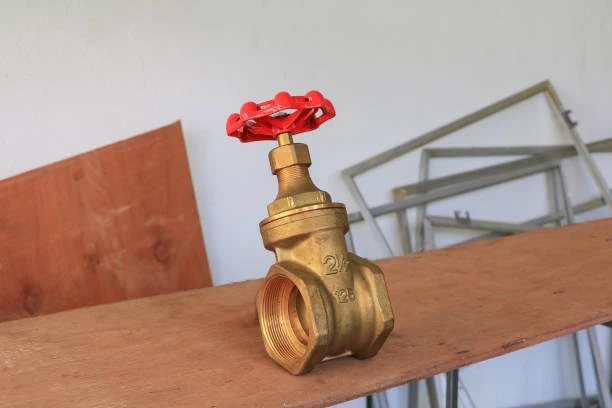
Brass gate valves are essential components in many plumbing and industrial systems, offering reliable flow control and long service life. However, like any mechanical device, they can sometimes develop leaks due to wear, improper installation, or system issues. Fortunately, most problems can be solved with the right knowledge and tools. This article explores how to identify, diagnose, and resolve common leaks in brass gate valves. We also cover their structure, key features, common applications, buying tips, and comparisons with other materials to help you make informed decisions.
Frequently Asked Questions (FAQ)
1. Why is my brass gate valve leaking at the stem?
This often occurs due to a worn-out packing seal or loose packing nut. Tightening the nut or replacing the packing usually stops the leak.
2. Can a leak occur if the valve is not fully open or closed?
Yes. Brass gate valves work best when fully open or shut. Partially open positions can cause turbulence and premature wear.
3. How do I know if the valve body is cracked?
Look for visible corrosion, greenish stains, or moisture. Tapping the valve body lightly may help detect structural damage.
4. What should I do if the valve leaks after installation?
Check the thread sealing (tape or compound), ensure proper alignment, and tighten connections carefully without overtightening.
5. Is it better to repair or replace a leaking brass gate valve?
Small leaks at the stem or threads can usually be repaired. But if the body is cracked or corroded, replacing the valve is safer.
What Is a Brass Gate Valve?
A brass gate valve is a manually operated valve designed to either fully stop or completely allow fluid flow. It uses a sliding gate, controlled by a threaded stem, to block or unblock the passage of liquid or gas. Unlike ball or globe valves, gate valves are not meant to regulate flow. Instead, they function best as isolation valves.
The body is made from brass, a corrosion-resistant alloy of copper and zinc. Brass is strong, durable, and suitable for a wide range of temperatures and pressures, making it ideal for both residential and industrial environments.
Key Features of Brass Gate Valves
- Full Flow Capability: When fully open, it allows unrestricted flow with minimal pressure drop.
- Precise Shut-Off: The gate creates a tight seal when fully closed, preventing backflow or leaks.
- Durable Material: Brass resists corrosion, scaling, and pressure-induced wear.
- Threaded Connections: Standard NPT or BSP threads simplify installation and integration.
- Wide Compatibility: Works with water, oil, air, and mild chemicals.
- Stem Variations: Available in rising and non-rising stem types to suit different space constraints.
- Temperature and Pressure Tolerance: Typically rated for 125–200 psi and -20°C to 120°C.
These features make brass gate valves a reliable solution for long-term fluid control.
Common Applications and Industries
Brass gate valves serve a wide range of systems and industries due to their versatility and performance. Their ability to control different types of fluids makes them a universal choice for several sectors.
Home Plumbing
Brass gate valves are used as main water shutoffs or in outdoor faucet lines. Their durability ensures years of trouble-free operation.
Commercial Facilities
Offices, hospitals, and commercial buildings use these valves to manage fluid sections without shutting down entire systems.
Industrial Installations
Factories install brass gate valves to control water, compressed air, or lubricants in equipment and pipelines.
Irrigation Systems
In agriculture, these valves control water delivery to fields or gardens. Their strong body can handle changing weather and water conditions.
HVAC Systems
Heating and cooling networks often use brass gate valves to isolate units for maintenance or regulate flow through loops.
Their resistance to corrosion and pressure makes them well-suited for long-term, heavy-duty applications.
Buying Guide: How to Choose a Leak-Free Brass Gate Valve
Selecting the right valve from the start greatly reduces the chance of future leaks. Below are key factors to consider when buying a brass gate valve.
Pipe Size Compatibility
Ensure the valve size matches your pipeline—commonly available in ½”, ¾”, 1″, and 2″ sizes.
Thread Type
Choose between NPT (National Pipe Thread) or BSP (British Standard Pipe), based on your region and plumbing standards.
Quality of Brass
High-quality brass resists dezincification and stress fractures. Look for certified low-lead or lead-free models for drinking water.
Stem and Packing Design
A well-designed stem and packing system prevents leaks around the handle. Choose valves with adjustable or replaceable packing glands.
Certification
Opt for valves that carry certifications like NSF, UPC, or ANSI, especially for potable water systems. These ensure quality and safety compliance.
Handle Construction
A strong, easy-to-turn handle improves usability and prevents breakage. Metal handles are preferable over plastic alternatives.
By focusing on these elements, you can minimize installation issues and future leak risks.
Troubleshooting Brass Gate Valve Leaks
Understanding the most common leak points helps in efficient diagnosis and repair. Below are key areas to inspect and how to resolve issues.
1. Stem or Packing Nut Leaks
Cause: Loose packing nut or worn-out packing material
Fix: Tighten the packing nut slightly using a wrench. If leaking persists, shut off the system and replace the packing material (usually graphite or PTFE).
2. Thread Connection Leaks
Cause: Improper sealing or misaligned threads
Fix: Disassemble the valve, apply PTFE tape or pipe thread sealant to the male threads, and reassemble with proper alignment. Avoid overtightening to prevent cracking.
3. Valve Seat Leakage
Cause: Debris lodged inside or a damaged gate
Fix: Fully open and close the valve several times to dislodge debris. If leaking continues, inspect the gate and seat for damage. Replacement may be necessary.
4. Cracked Valve Body
Cause: Over-tightening, freezing, or corrosion
Fix: A cracked valve body cannot be repaired. Replace the valve with a new one and ensure proper installation torque and protection against freezing.
5. Wear and Tear Over Time
Cause: Long-term usage, corrosion, or exposure to harsh conditions
Fix: Inspect periodically for signs of wear. Replace aging valves as part of regular maintenance to prevent sudden failures.
Proper troubleshooting helps extend valve life and improves system reliability.
Brass Gate Valve vs. Other Valve Materials
Understanding how brass gate valves compare with other types helps you choose the most suitable valve for your system.
| Feature | Brass Gate Valve | PVC Valve | Stainless Steel Valve | Cast Iron Valve |
|---|---|---|---|---|
| Durability | High | Moderate | Very High | High |
| Corrosion Resistance | Excellent | Excellent (for water) | Excellent | Moderate |
| Pressure Rating | 125–200 psi | 60–100 psi | Up to 600 psi | 150–300 psi |
| Temperature Tolerance | -20°C to 120°C | 0°C to 60°C | -50°C to 250°C | -10°C to 200°C |
| Leak Risk | Low (with proper install) | Moderate | Very Low | Moderate |
| Installation Ease | Easy | Easy | Moderate | Hard |
| Cost | Moderate | Low | High | Moderate |
This table shows that brass valves strike a good balance between performance, reliability, and affordability. They are more durable and corrosion-resistant than PVC and less expensive than stainless steel.
Conclusion
Brass gate valves provide a long-lasting, dependable solution for flow control in a wide range of systems. However, like any component, they can develop leaks due to wear, poor installation, or environmental factors. Understanding how to identify and fix leaks ensures continued performance and safety.
By selecting a high-quality valve, installing it correctly, and maintaining it regularly, you can avoid most leak-related issues. Whether you’re a homeowner, plumber, or facility manager, knowing how to troubleshoot a brass gate valve saves time, money, and potential system failure.
Always check for proper thread sealing, stem packing integrity, and valve body condition. When needed, replace worn components rather than risk more serious damage. With the right approach, your brass gate valve can deliver years of smooth and secure operation.
Contact IFAN for Catalogs and Samples
Need technical documents, catalogs, or sample products? Reach out to IFAN today.
📧 Email: [email protected]
📱 Whatsapp: +86 19857948982
Our team responds quickly and provides professional support for all your pipeline needs.
IFAN international standard
IFAN piping systems comply with a wide range of international standards to ensure high quality and performance. These include ASTM F1974 and ASTM F1281 for multilayer piping systems, CSA B137 for Canadian plumbing applications, DIN 16836 for German technical specifications, GB18997 for Chinese standards, and ISO 21003, which covers multilayer piping systems used for hot and cold water installations. This broad certification scope highlights IFAN’s commitment to global compliance and product reliability.























