


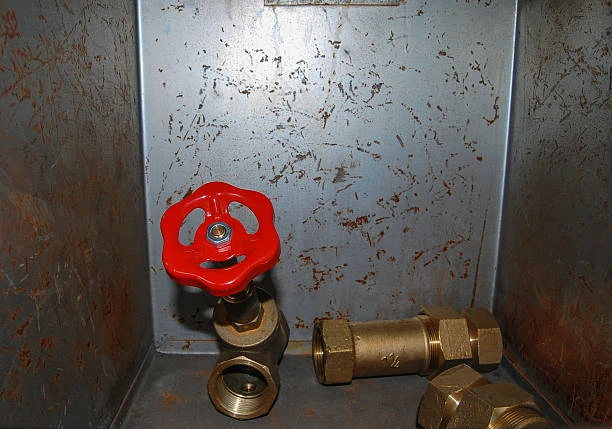
Brass gate valves have become a trusted solution for managing the flow of liquids and gases in plumbing and industrial systems. Their unique design, combined with the strength and versatility of brass, makes them suitable for a wide range of uses. From residential water lines to industrial control systems, these valves play a crucial role in ensuring safety, reliability, and ease of operation. In this article, we explore everything you need to know about brass gate valves, including their features, applications, selection tips, and how they compare with other valve materials.
Frequently Asked Questions (FAQ)
1. What is the main function of a brass gate valve?
A brass gate valve controls the flow of fluids by raising or lowering an internal gate. It allows either full flow or complete shutoff.
2. Where are brass gate valves commonly used?
They are commonly used in plumbing systems, irrigation setups, fire protection lines, and industrial processes involving water, oil, or air.
3. How do you know if a brass gate valve is open or closed?
For rising stem valves, the position of the stem shows if the valve is open or closed. Non-rising stem types depend on handle orientation.
4. Are brass gate valves suitable for high-pressure systems?
Yes, brass gate valves can handle medium to high pressures, typically ranging from 125 to 200 psi, depending on the model and size.
5. Can I use brass gate valves for drinking water?
Yes, many brass gate valves are certified for use in potable water systems, especially those labeled as low-lead or lead-free.
What Is a Brass Gate Valve?
A brass gate valve is a manual valve that uses a gate or wedge-shaped disc to block or allow the flow of fluid. Turning the handwheel moves the gate up or down along the valve stem. When fully raised, the gate allows the fluid to pass through freely. When lowered, it seals against the valve seat and stops the flow.
The valve body is made from brass, an alloy of copper and zinc. This material is known for its strength, corrosion resistance, and machinability. Brass is especially effective in water systems because it resists rust and mineral build-up, which can damage other types of valves.
Key Features of Brass Gate Valves
- Robust Construction: The solid brass body ensures resistance to physical wear and corrosion.
- Full Bore Design: When open, the gate valve offers minimal resistance to flow, which reduces pressure loss.
- Reliable Sealing: The gate provides tight shutoff, preventing leaks even under pressure.
- Threaded Ends: Most models come with NPT or BSP threads for easy integration into existing systems.
- Variety of Sizes: Brass gate valves are available in sizes from ½ inch to 2 inches or more.
- Temperature Tolerance: Most models handle temperatures from -20°C to 120°C, suitable for both hot and cold water systems.
- Versatile Applications: Suitable for residential, commercial, and light industrial use.
Common Applications and Industries
Brass gate valves are widely used because they adapt well to various environments. Their balance of strength, price, and corrosion resistance makes them a popular choice in several key sectors.
Residential Plumbing
In home plumbing systems, brass gate valves serve as main shutoff valves and control valves for outdoor taps. They are also found in water heater connections and basement water lines.
Commercial Buildings
Offices, hotels, and shopping centers use brass gate valves to isolate sections of plumbing during repairs or maintenance. Their dependability reduces the risk of water damage and ensures continued operation.
Irrigation Systems
Farmers and gardeners rely on brass gate valves to direct water flow to different zones. Their durability makes them ideal for frequent outdoor use in varying weather conditions.
HVAC and Heating Systems
In heating and cooling systems, brass gate valves manage the circulation of hot or chilled water. They withstand fluctuating temperatures and allow precise flow control.
Industrial Facilities
Factories use these valves for controlling fluids like air, oil, and water in light to medium-duty processes. Their reliability minimizes downtime and improves safety.
Buying Guide: How to Choose the Right Brass Gate Valve
Choosing the right brass gate valve ensures long-term performance and system safety. Here are some key aspects to consider before making a purchase.
Valve Size
Select a valve that matches the diameter of your pipeline. Standard sizes include ½”, ¾”, 1″, and 2″. Choosing the right size helps maintain flow efficiency and system balance.
Stem Type
Rising stem valves show the open or closed status visually. Non-rising stems are more compact and suitable for tight spaces but require experience to operate correctly.
Connection Type
Thread compatibility is critical. Choose between NPT (National Pipe Thread), BSP (British Standard Pipe), or compression ends based on your plumbing system.
Pressure Rating
Most brass gate valves operate at 125 to 200 psi. Ensure the valve’s rating meets or exceeds your system’s pressure requirements.
Certification
Look for NSF, UPC, or ANSI certification, especially for drinking water systems. These marks indicate that the valve meets quality and safety standards.
Handle Design
Choose a valve with a durable, easy-to-turn handle. Zinc or aluminum handwheels are long-lasting and provide better grip than plastic alternatives.
Material Grade
Opt for low-lead or lead-free brass valves for health and regulatory compliance. High-quality brass resists dezincification and extends service life.
Brass Gate Valve Features and Applications Explained
As the title suggests, understanding both the design features and practical uses of brass gate valves can help you make informed installation and purchasing decisions.
The core feature of a brass gate valve is its gate mechanism, which offers full-bore flow when open and tight shutoff when closed. This makes it ideal for isolating sections of a system without disrupting overall flow capacity. Combined with the corrosion resistance of brass, these valves can function reliably in both indoor and outdoor environments.
From homes to farms and factories, brass gate valves adapt to diverse pressure, temperature, and flow conditions. Their simple construction and widespread availability also make them one of the easiest valves to source and maintain.
In essence, brass gate valves combine mechanical reliability with material resilience, making them suitable for all-around fluid control tasks.
Brass Gate Valve vs. Other Valve Materials
Comparing brass gate valves with other types of valves helps highlight their advantages in terms of performance, cost, and application range.
| Feature | Brass Gate Valve | PVC Valve | Stainless Steel Valve | Cast Iron Valve |
|---|---|---|---|---|
| Durability | High | Moderate | Very High | High |
| Corrosion Resistance | Excellent | Excellent (for water) | Excellent | Moderate |
| Pressure Rating | 125–200 psi | 60–100 psi | Up to 600 psi | 150–300 psi |
| Temperature Range | -20°C to 120°C | 0°C to 60°C | -50°C to 250°C | -10°C to 200°C |
| Cost | Moderate | Low | High | Moderate |
| Weight | Medium | Light | Heavy | Very Heavy |
| Suitable for Potable Use | Yes (if certified) | Yes (limited) | Yes | Not recommended |
This comparison shows that brass gate valves offer a middle ground between cost and performance. They are more durable and temperature-resistant than PVC valves, yet significantly more affordable than stainless steel options. For most everyday applications, brass provides excellent value and reliability.
Conclusion
Brass gate valves stand out as a practical and dependable solution for fluid control across a wide range of industries. Their durable construction, resistance to corrosion, and ability to provide tight shutoff make them an ideal choice for both homeowners and professionals.
By understanding the key features of brass gate valves and how they apply in real-world situations, you can choose the right product for your needs. Whether you’re managing an irrigation system, upgrading a residential water line, or planning an industrial installation, brass gate valves offer the performance and longevity required for the job.
Make sure to choose a valve that meets proper size, certification, and material standards. When selected and maintained correctly, a brass gate valve can deliver years of efficient and trouble-free service.
Contact IFAN for Catalogs and Samples
Need technical documents, catalogs, or sample products? Reach out to IFAN today.
📧 Email: [email protected]
📱 Whatsapp: +86 19857948982
Our team responds quickly and provides professional support for all your pipeline needs.
IFAN international standard
IFAN piping systems comply with a wide range of international standards to ensure high quality and performance. These include ASTM F1974 and ASTM F1281 for multilayer piping systems, CSA B137 for Canadian plumbing applications, DIN 16836 for German technical specifications, GB18997 for Chinese standards, and ISO 21003, which covers multilayer piping systems used for hot and cold water installations. This broad certification scope highlights IFAN’s commitment to global compliance and product reliability.























